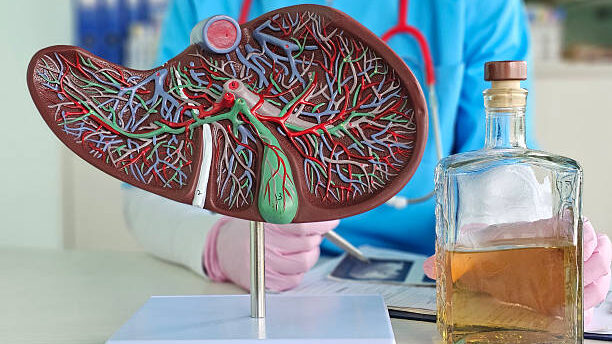
Most people never give a thought about Liver health. It handling thousands of jobs, filtering toxins, processing nutrients, keep the rest of the body running.
What’s surprising is how much abuse it can take before anything looks obviously wrong.
A struggling liver doesn’t usually wave a red flag. It sends small signals instead. A bit more tired than usual. An itch that won’t go away. An appetite that’s gone quiet. All easy to write off as getting older or having a bad week.
Around LA, people will talk your ear off about cardio and macros, but the liver almost never comes up. That’s a mistake, because by the time a serious diagnosis shows up, the body has usually been dropping hints for a while. Here are ten worth knowing.
10 Signs Your Liver May Struggles
1. Tired in a way sleep doesn’t fix
Everyone knows ordinary tired. Late night, rough week, busy weekend, and a good night’s sleep or an extra coffee sorts it out.
This is different. It hangs around from breakfast to bedtime and doesn’t respond to the usual fixes. Mornings start sluggish, sleep stops feeling like it did anything, and by mid-afternoon even small tasks take more out of you than they should.
The liver doesn’t get much credit for how much it contributes to daily energy, quietly processing nutrients and managing fuel behind the scenes. Most people blame work, stress, or age first, which is fair enough most of the time. It’s the kind that doesn’t go away with rest that’s worth a second look.
2. An itch nobody can explain
Itching usually has an obvious cause: dry air, a new soap, a mosquito that snuck inside. People expect a reason.
That’s what makes the unexplained kind so frustrating. No rash, no redness, skin looks completely normal, but the urge to scratch keeps showing up during meetings, in front of the TV, at 2 a.m. People go through creams, switch detergents, blame allergies, and nothing quite fixes it.
In some liver conditions, bile-related substances build up in the bloodstream, and that buildup is thought to trigger this kind of itching. A coworker of mine went through three different dermatologists before someone finally checked her liver panel.
3. Yellow eyes or skin
This one isn’t subtle. People usually catch it brushing their teeth or glancing in a mirror, a yellow tint to the whites of the eyes that doesn’t go away once you notice it.
It’s called jaundice, and it happens when bilirubin builds up faster than the liver can clear it. The eyes usually show it first, and skin can follow. Friends notice. Family notices. Strangers sometimes notice. This isn’t a cosmetic issue. It’s one of the more obvious signals that the liver needs attention soon.
You can also check this link to known about “Jaundice”
4. A belly that won’t explain itself
A tighter waistband after a holiday meal is normal. A belly that keeps growing for no clear reason is not.
At first it can look like ordinary weight gain. Then it starts to feel different: pressure, fullness, a kind of heaviness that doesn’t feel like fat. In more advanced liver disease, fluid can build up in the abdomen, a condition called ascites, and the swelling can become hard to ignore. Most people connect a bigger belly to food first. Few think liver.
5. Dark urine, pale stools
Nobody loves talking about bathroom habits, which is part of why this one gets missed. Bile gives stool its normal brown color, and when that process is disrupted, stools can turn pale or clay colored while urine goes darker.
Dark urine alone is often just dehydration. The concern is when hydration improves and the color doesn’t. No pain, no drama, just a quiet pattern that keeps repeating.
6. Bruising and bleeding more easily
Everyone bumps into furniture occasionally, and a bruise from a hard knock is nothing. The concern is bruises showing up after barely any contact, sometimes ones you can’t even explain.
The liver makes proteins involved in blood clotting, and when liver function drops, that process gets less reliable. Cuts take longer to stop bleeding, nosebleeds get more frequent, gums bleed more easily. It tends to happen gradually, which is exactly why it gets brushed off as clumsiness or aging instead of investigated.
7. Brain fog
Everyone forgets a name or misplaces their phone occasionally. This is a different kind of fuzzy, a lingering sense that mental sharpness got turned down a notch. Conversations are harder to follow, simple tasks take more effort, focus drifts.
Stress and bad sleep are the usual suspects, and reasonably so. But the liver and brain are more connected than most people assume. When the liver can’t filter certain waste products efficiently, those substances can affect how clearly you think. If concentration problems stick around without an obvious cause, the liver is worth putting on the list.
8. Nausea and a vanishing appetite
Food is supposed to be appealing. When favorite meals stop sounding good, portions shrink, or a few bites suddenly feel like enough, people notice.
Most of the time it’s a stomach bug or stress, and it passes in a few days. When it doesn’t, the liver’s role in digestion and nutrient processing is worth considering. A dulled appetite is subtle, but it can matter more than it looks.
9. Swollen feet and ankles
Shoes fit fine one day and feel tight the next. Usually that’s standing too long, travel, or heat, and it’s harmless.
The liver helps regulate fluid balance, and when that balance is off, fluid can collect in the lower legs. Sock lines get deeper, ankles look puffier, shoes feel less comfortable. People tend to blame circulation and ignore it for months because swelling doesn’t immediately suggest liver trouble. Sometimes it should.
10. Losing weight and muscle without trying
Weight loss usually has a story behind it: new workout routine, cleaner eating, more time at the gym. Unexplained weight loss is a different story entirely.
It can look like good news at first. Then strength starts going too. Arms get thinner, legs lose definition, ordinary tasks take more out of you. The liver plays a big role in metabolism and nutrient processing, so when it’s struggling, muscle mass becomes harder to maintain. People blame stress or aging, and sometimes that’s fair. Unexplained weight loss paired with declining strength is worth a closer look regardless.
Conclusion
None of this means you need to panic over an itch or a tired afternoon. Most of the time there’s a boring explanation, and it’s the right one. What’s worth noticing is the pattern: when one of these sticks around longer than it should, or two or three of them show up together, that’s usually when it’s worth getting checked instead of waiting it out. The liver does hundreds of jobs a day without complaint, which is exactly why it tends to go quiet for a long time before anyone thinks to ask it what’s wrong.