A curious thing happens after forty. People start collecting blood pressure advice the way others collect old baseball cards.
A coworker swears coffee is the enemy. A cousin insists medication creates more problems than it solves. Somewhere online, a stranger promises that a single supplement can fix everything. The myths arrive from every direction, and they often sound convincing.
The trouble is that blood pressure does not care much about popular opinion. It follows biology, not neighborhood wisdom. Yet many adults continue making health decisions based on ideas that should have retired years ago. Some myths create unnecessary fear. Others encourage dangerous complacency. Both can carry consequences.
For adults over 40, separating fact from fiction is more than an academic exercise. It is one of the simplest ways to protect long-term heart health. The first step is recognizing which blood pressure myths deserve to be left behind. Let’s Start!
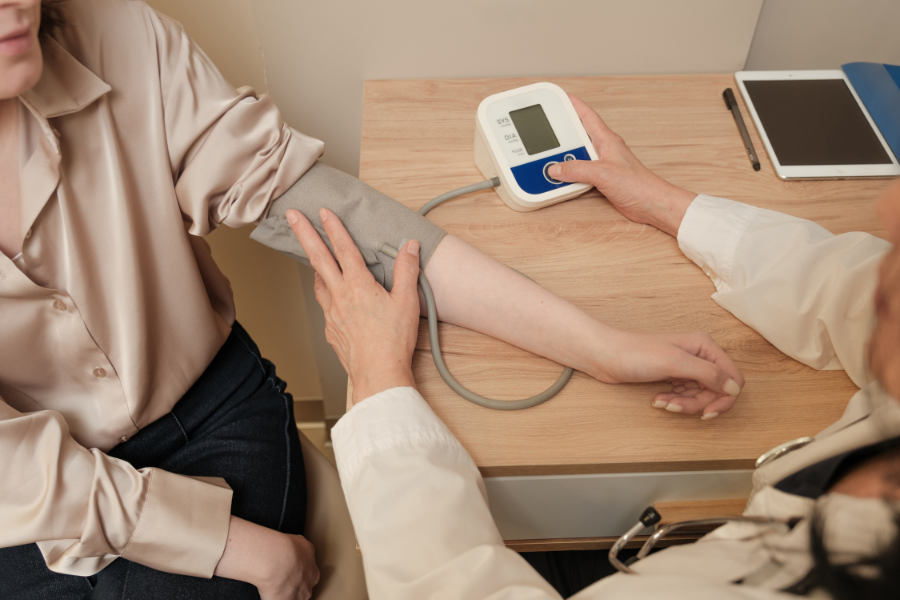
7 Blood Pressure Myths Adults Over 40
Myth #1: The Silent Guest Nobody Notices
Many adults believe high blood pressure always announces its arrival. They expect pounding headaches, dizziness, blurry vision, or nosebleeds. If none of those signs appear, they assume everything is fine.
That belief creates a dangerous trap.
High blood pressure often behaves like an unwanted house guest. It slips in quietly and stays unnoticed for years. During that time, it can place extra strain on the heart. It can damage blood vessels. It can also affect the brain and kidneys without creating obvious symptoms.
Doctors sometimes discover elevated blood pressure during a routine checkup. The person sitting in the exam room may feel completely normal. No headaches. No warning signals. No reason to suspect anything is wrong.
That is why experts often call high blood pressure a silent killer. The condition does not always send a text message before trouble arrives.
For adults over 40, regular blood pressure checks matter more than guesswork. Feeling healthy is great. Seeing healthy numbers is even better. When it comes to blood pressure, silence should never be mistaken for safety.
Myth #2: The Scale Does Not Tell the Whole Story
There is a guy in almost every neighborhood who proves this myth wrong. He takes the stairs. He skips dessert. He still fits into clothes from years ago. On the surface, he looks like the last person who would worry about high blood pressure.
Then a routine checkup changes the conversation.
One of the biggest misunderstandings about blood pressure is the belief that only overweight people develop it. Extra weight can certainly increase risk. No question about that. But blood pressure does not look at a person’s waistline before making decisions.
The body keeps its own score.
A family history of hypertension can raise risk. Years of stress can raise risk. Poor sleep can raise risk. Smoking, heavy drinking, and getting older can all push blood pressure in the wrong direction. Sometimes the person with the healthiest appearance in the room is the one getting an unexpected diagnosis.
That is what makes this myth so tricky. It encourages people to judge health with their eyes instead of actual numbers.
After 40, appearances can be misleading. A trim body does not guarantee healthy arteries. A youthful face does not guarantee a healthy heart. Blood pressure lives behind the scenes, where nobody can see it.
The smartest move is not assuming. It is checking. A blood pressure monitor tells the truth far better than a bathroom mirror ever will.
Myth #3: Once the Prescription Starts, There Is No Turning Back
Few words make adults over 40 uncomfortable faster than “blood pressure medication.” For many, the prescription feels like a lifetime contract. The moment a doctor writes that first prescription, they imagine decades of daily pills stretching into the future.
That fear keeps some people from seeking treatment.
The reality is much more nuanced.
Blood pressure medication is not a punishment. It is a tool. In many cases, doctors prescribe medication to reduce immediate risk while patients work on larger lifestyle changes. Better eating habits can help. Regular exercise can help. Weight loss can help. Better sleep can help. Managing stress can help too.
For some people, those changes make such a difference that medication doses can be reduced over time. In certain situations, a doctor may even decide that medication is no longer necessary. Every case is different.
Of course, many adults do need long-term treatment. There is nothing unusual about that. High blood pressure often has strong genetic roots. Sometimes lifestyle changes alone cannot overcome those factors.
The biggest mistake is viewing medication as failure. It is not. It is simply one of many tools used to protect the heart, brain, kidneys, and blood vessels. The goal is not taking medication forever. The goal is staying healthy for as long as possible.
Myth #4: Feeling Fine Does Not Mean Everything Is Fine
Human nature loves simple shortcuts. If the car sounds good, it must be running well. If the house feels sturdy, it must be in great shape. Many adults apply the same logic to their health. If they feel normal, they assume their blood pressure is normal too.
That assumption gets a lot of people into trouble.
High blood pressure is famous for hiding in plain sight. A person can wake up energized. Go through a full workday. Take an evening walk. Sleep well at night. Yet their blood pressure may still be climbing into dangerous territory.
The body does not always send warning signals.
That is what makes hypertension so deceptive. It can quietly strain the heart. It can slowly damage blood vessels. It can increase the risk of stroke and heart disease for years before a person notices anything unusual.
Many adults discover the truth during a routine physical. They walk into the appointment feeling perfectly healthy. Then the blood pressure cuff tells a different story.
Health is not always something a person can feel. Sometimes it is something that must be measured.
After 40, relying on feelings alone becomes a risky strategy. Blood pressure is one of those numbers that deserves regular attention. Confidence feels good. Accurate information is even better.
Myth #5: Salt Gets All the Blame
If high blood pressure had a public enemy number one, it would probably be salt. For years, people have heard the same message. Cut the salt and the problem disappears. It sounds simple. Almost too simple.
The truth is that blood pressure is rarely controlled by a single factor.
Yes, too much sodium can raise blood pressure. That part is well established. But focusing only on salt is like blaming one player for losing an entire football game. There are usually several factors working together behind the scenes.
Stress can push blood pressure higher. Poor sleep can do the same. Lack of exercise matters. Excess alcohol matters. Smoking matters. Family history matters. Even age changes how the body regulates blood pressure.
That is why some people carefully avoid salty foods yet still struggle with hypertension. Meanwhile, another person may enjoy the occasional bag of chips and maintain healthy numbers for years.
The body is more complicated than a seasoning shaker.
For adults over 40, blood pressure should be viewed through a wider lens. Healthy eating remains important, but it is only one piece of the puzzle. Long-term heart health usually comes from a combination of smart habits, not a single dietary change.
Salt deserves attention. It just does not deserve all the blame.
Myth #6: Getting Older Does Not Mean Giving Up
There is a phrase that gets repeated at family gatherings, doctor’s offices, and backyard barbecues. “Well, that’s just part of getting older.” For many adults, high blood pressure gets tossed into that category. Gray hair happens. Wrinkles happen. High blood pressure happens. End of story.
Not quite.
Age does increase the risk of hypertension. Blood vessels naturally become less flexible over time. The heart and circulatory system face more wear and tear with each passing decade. That part is true.
The mistake comes when people assume high blood pressure is unavoidable.
Plenty of adults reach their sixties, seventies, and beyond with healthy blood pressure numbers. They stay active. They maintain healthy habits. They manage stress. They work closely with their healthcare providers. Most importantly, they refuse to treat high blood pressure as an automatic consequence of birthdays.
That mindset matters.
When people believe something is inevitable, they often stop trying to prevent it. They skip checkups. They ignore warning signs. They dismiss opportunities to improve their health.
Growing older is a privilege. Poor blood pressure control is not.
After 40, the goal should not be to fight aging. The goal should be to age well. High blood pressure may become more common with age, but it should never be accepted as normal. There is a big difference between “common” and “healthy,” and that difference can change lives.
Myth #7: The Couch Is Not the Safest Place
A blood pressure diagnosis changes the way some people look at exercise. Suddenly, a brisk walk feels risky. A bike ride seems questionable. Even a trip to the gym can trigger concern. Many adults assume that physical activity will place too much strain on the heart.
At first glance, the fear sounds reasonable.
After all, exercise raises the heart rate. It increases blood flow. It makes the body work harder. That can sound intimidating when blood pressure is already elevated.
The surprise is that doctors often recommend the exact opposite of what many people expect.
Regular physical activity is one of the most effective ways to help manage blood pressure. Walking, swimming, cycling, and other moderate exercises can strengthen the heart over time. A stronger heart pumps blood more efficiently. That often helps reduce pressure inside the arteries.
The real danger is often inactivity.
Hours spent sitting each day can contribute to weight gain, poor circulation, and declining cardiovascular health. Over months and years, those habits can make blood pressure harder to control.
Of course, every situation is different. People with severe hypertension or certain heart conditions should follow medical guidance before starting a new routine. But for most adults over 40, movement is not the enemy.
The body was built to move. The heart benefits when it does. Sometimes the healthiest thing a person can do for blood pressure is stand up, step outside, and start walking.
Conclusion
Blood pressure myths have a way of sticking around long after the facts have changed. Some are passed down through families. Others spread through social media, casual conversations, or outdated advice. The problem is that believing the wrong information can lead to the wrong decisions.
High blood pressure is not always loud. It is not limited to people who are overweight. It is not caused by salt alone. And it is certainly not something that should be accepted as a normal part of getting older.
For adults over 40, knowledge can be one of the most valuable health tools available. Understanding what is true makes it easier to spot risks, ask better questions, and make smarter choices.
At the end of the day, blood pressure is not about fear. It is about awareness. A few healthy habits, regular checkups, and accurate information can go a long way. The goal is not simply adding years to life. The goal is enjoying those years with a healthier heart, a healthier body, and greater peace of mind.