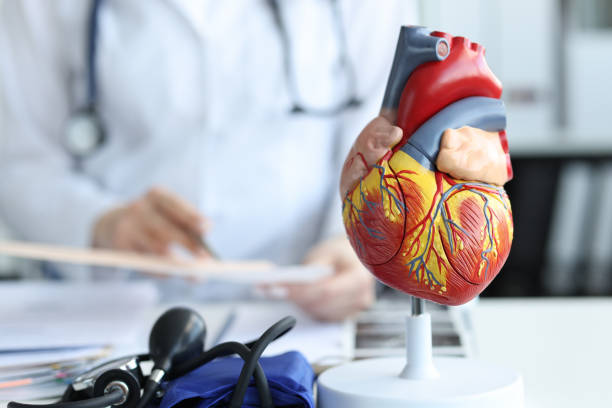
Walk into any coffee shop and the conversation eventually turns to health. Someone brings up cholesterol. Someone else swears by a diet they read about online. And there’s always one person who repeats a heart health “myths and fact” with enough confidence that nobody argues.
Problem is, plenty of those facts aren’t facts.
They stick around because they sound logical, not because they’re true. They get passed from neighbor to neighbor and relative to relative until nobody remembers where they actually came from.
After forty, that starts to matter more.
The heart doesn’t pay attention to rumors. It responds to what’s actually happening in the body, not to what most people happen to believe. And a lot of adults are still making decisions based on ideas that should have been retired years ago.
Here are seven of the most common ones, and why they don’t hold up.

7 Heart Health Myths
1. High blood pressure comes with symptoms
Ask around and someone will insist that high blood pressure announces itself: headaches, dizziness, some kind of pounding sensation. It feels like it should work that way.
It usually doesn’t.
A person can go years with elevated blood pressure and feel completely normal. Work gets done, plans happen, nothing seems off, while the pressure quietly wears on the blood vessels and the heart underneath all of it. Doctors call it a silent condition, not because it’s hiding exactly, but because it rarely bothers to announce itself.
The real danger is the false confidence that comes from feeling fine. Plenty of people assume no symptoms means no risk. The first obvious sign sometimes shows up much later than anyone would like, which is the whole argument for getting your blood pressure checked regularly instead of waiting to feel something.
2. Heart disease happens to other people
It’s a comforting thought: heart disease is for older people, or smokers, or people with worse habits. Not me.
The heart doesn’t check who looks healthy from the outside. It responds to blood pressure, cholesterol, blood sugar, activity levels, sleep, and stress, most of which nobody can see just by looking at someone. I’ve known people who run marathons and still ended up with a stent in their thirties, because one risk factor was quietly out of control the whole time nobody was watching.
3. A busy schedule counts as exercise
A lot of people treat exhaustion as proof they’ve done enough. Early mornings, errands, meetings, more errands. By evening they’re worn out, so surely that counts.
Being busy and being active aren’t the same thing. Rushing between tasks can drain you mentally without giving your heart any real workout. What actually helps is sustained movement: a brisk walk, a bike ride, a swim, even thirty minutes done consistently. A packed calendar can leave you exhausted and still do almost nothing for your cardiovascular system.
4. Family history decides your fate
This one usually starts with a story. A father with heart problems, a grandfather who had a heart attack, an uncle who fought high blood pressure for years. After hearing it enough times, people start to assume their own ending is already written.
Family history is genuinely useful information, and doctors take it seriously for good reason. It just isn’t a verdict. A grandfather’s heart attack doesn’t override what you eat this week, how much you move, or whether you’re getting your blood pressure checked. Daily habits still do most of the work, even with a rough family history sitting in the background.
Pay closer attention if your family history is bad. Don’t use it as an excuse to stop trying.
5. Feeling fine means everything is fine
Most people trust how they feel. No pain, no shortness of breath, normal energy, so the heart must be doing okay.
The trouble is that high blood pressure, rising cholesterol, and narrowing arteries often develop with almost no symptoms in the early years. You can feel completely healthy while real changes are happening underneath. That false sense of security is exactly why people skip checkups they should be getting. Feeling good is a nice sign, but it isn’t proof that everything is fine.
6. A normal weight means a healthy heart
This one looks convincing because there’s visual evidence. Step on the scale, like the number, assume the heart matches.
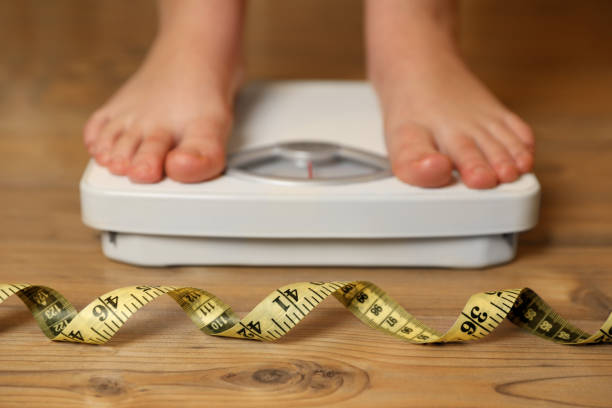
But the heart cares about a lot more than weight: blood pressure, cholesterol, blood sugar, activity, sleep, stress, smoking. Some people at a “normal” weight are quietly developing heart disease because the other risk factors are building up unnoticed.
And some people carrying extra weight are actively protecting their heart through better habits and medical care. Weight is one piece of a much bigger picture, not the whole picture.
7. Heart disease is mainly a man’s problem
This idea has stuck around partly because of old stereotypes. Movie heart attacks happen to men. Heart disease ads are aimed at men. Over time that creates the impression that women are somehow exempt.
They’re not. Heart disease kills more women every year than most people realize, and it remains one of the leading health threats women face. Part of the problem is that symptoms in women don’t always look like the textbook version, so they get dismissed or written off as something else. When people believe heart disease is mostly a male issue, warning signs get ignored and conversations with doctors get delayed. The heart doesn’t check whether you’re a man or a woman before it runs into trouble.
Conclusion
None of these myths sound ridiculous on their own. If they did, nobody would have believed them in the first place. They survive because they’re just true enough to feel convincing, and they keep circulating at family dinners and group chats because nobody bothers to check them.
The heart doesn’t care what’s popular to believe. It cares about what you actually do, day after day, regardless of whether that matches what feels intuitive. A normal weight isn’t automatic protection. A rough family history isn’t automatic failure. High blood pressure can sit there for years without saying a word.
I’m not sure which of these myths does the most damage, honestly. Probably whichever one convinces someone they don’t need to get checked.