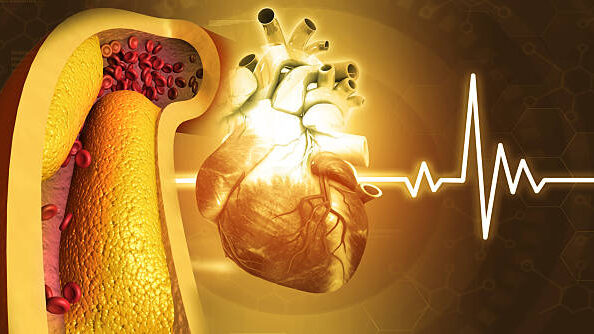
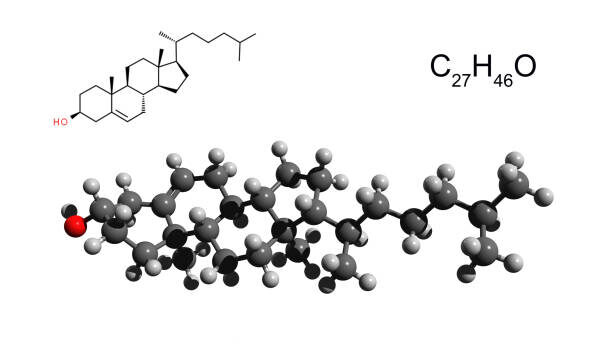
High cholesterol rarely shows up on its own. It tends to travel with a handful of other health issues that quietly wear down the heart and blood vessels over years, not days. Someone can feel completely fine while several of these problems build in the background at the same time.
After 40, the mix matters more. Blood pressure creeps up, workouts get skipped, weight becomes stubborn, and blood sugar starts drifting. Family history and age stack on top of all that.
The overlap is the real problem. One bad habit rarely stays contained to one area. Skip the walks, and weight creeps up. Weight creeps up, and blood sugar follows. Blood sugar follows, and cholesterol gets harder to manage. It’s a chain reaction, not a single switch.
There’s a real upside here too. Better food choices, more movement, quitting tobacco, and staying current on checkups can pull several of these risk factors down at once. Catching the pattern early gives people years of runway to protect both cholesterol and the heart behind it.
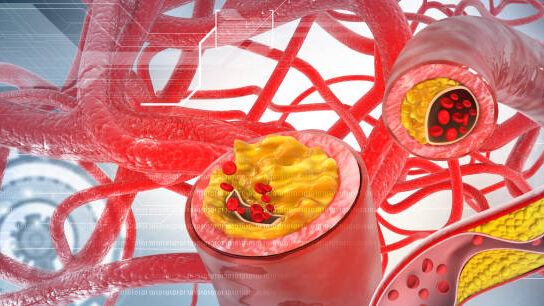
High Cholesterol Risk Factors
1.Extra Weight Pushes Cholesterol the Wrong Way
Carrying extra weight, especially around the midsection, does more than change how clothes fit. It changes how the body handles fat in the bloodstream. Belly fat in particular is linked to higher triglycerides, higher LDL, and lower HDL, the combination doctors like least.
The shift happens slowly. As fat builds up, cells respond less well to insulin, and the body gets worse at clearing fatty acids. The liver picks up the slack by pumping out more triglyceride-rich particles, which only adds to the cholesterol already circulating.
Even modest weight loss moves the needle here. Walking regularly, adding some strength training, eating more fiber, getting enough protein, and cutting back on ultra-processed food all help. None of this requires crash dieting. Losing fat while keeping muscle is what actually improves the numbers, and it holds up over the long run.
2.Insulin Resistance Rarely Travels Alone
Blood sugar and cholesterol look like separate issues, but they’re wired together through metabolism. When cells stop responding well to insulin, the pancreas compensates by producing more of it. That extra strain eventually changes how the body handles fat too.
Insulin resistance shows up as higher triglycerides, lower HDL, and more of the small, dense LDL particles that are especially good at lodging in artery walls. This often develops years before a diabetes diagnosis, quietly, with no symptoms to flag it.
The fixes overlap with everything else on this list: regular walking, strength training, real sleep, a healthy weight, and meals built around vegetables, fiber, and protein instead of packaged food. Because insulin resistance hides so well, routine blood sugar and cholesterol testing is worth doing even when nothing feels wrong.
3.What’s on the Plate Keeps Cholesterol Elevated
Diet has an outsized effect on cholesterol. Meals heavy in saturated fat, trans fat, refined carbs, and processed food push LDL higher over time. These aren’t exotic foods, they’re the fatty meats, fried meals, pastries, and packaged snacks most people already eat regularly.
Saturated fat raises LDL. Trans fats do worse, raising LDL while dragging HDL down at the same time. Refined carbs and added sugar pile onto triglycerides too, especially once they crowd out fiber-rich whole foods.
None of this means giving up every favorite meal. Swap butter for olive oil. Swap chips for nuts. Add more beans, vegetables, oats, whole grains, and fish. Small, repeatable swaps beat a restrictive diet that falls apart after three weeks.
4.Sitting Too Much Changes the Cholesterol Picture
The body needs movement to manage fat well, and most people simply don’t get enough of it. Inactivity is tied to lower HDL and higher triglycerides, a combination that stacks the cardiovascular odds in the wrong direction.
This isn’t only about people who never exercise. Long stretches at a desk, in a car, or on a couch add up even for someone who squeezes in the occasional workout. Past 40, regular movement stops being optional and starts being one of the more useful things a person can do for their heart.
It doesn’t have to mean the gym. Brisk walking, cycling, swimming, dancing, gardening, and strength training all count. Breaking up long sitting stretches with short movement breaks helps too, and it’s a habit that’s actually sustainable.
5.High Blood Pressure Adds More Strain to the Arteries
High blood pressure and high cholesterol tend to show up together, and the combination is harder on the arteries than either one alone. Cholesterol builds up inside artery walls while blood pressure repeatedly pounds against those same vessels. Together, they raise the odds of plaque forming or breaking loose.
Over time, that pressure wears down the artery’s inner lining. Spots with existing plaque become more fragile, letting fatty deposits grow or destabilize. The risk here, heart attack, stroke, circulation problems, can build for years without a single symptom to warn anyone.
Managing one factor tends to help the other. Movement, a better diet, weight management, cutting back on sodium, and blood pressure medication when it’s needed all help protect the arteries at the same time. Since both conditions can stay silent, regular checkups matter more than how someone feels day to day.
6.Smoking Makes Cholesterol More Dangerous
Smoking damages more than the lungs. It damages the inner lining of blood vessels, creating exactly the kind of environment where cholesterol plaque takes hold easily. Once that lining is compromised, LDL slips into the artery wall and starts contributing to buildup.
It also lowers HDL, the form of cholesterol that actually helps clear excess out through the liver. On top of that, tobacco smoke drives inflammation and makes blood clot more easily, a combination that turns existing plaque into a bigger threat.
The good part: quitting helps almost immediately. Blood vessel function starts improving not long after the last cigarette, and the longer-term risk of heart disease keeps dropping from there. For anyone already managing high cholesterol, cutting out tobacco is one of the highest-leverage moves available.
7.The Wrong Fats Push Cholesterol Higher Without Warning
Fat type matters as much as fat quantity. Saturated and trans fats are the main offenders, and they hide in fatty meats, fried food, butter, pastries, and processed snacks that people eat without thinking twice.
Eating these regularly raises LDL, the cholesterol most associated with artery buildup. Trans fats are worse, raising LDL and lowering HDL in the same breath. Over time, that imbalance contributes directly to plaque forming inside artery walls.
Better choices don’t mean an all-or-nothing overhaul. Olive oil in place of butter, nuts instead of processed snacks, more fish, beans, vegetables, oats, and whole grains on the plate. Consistency here beats intensity, and it’s easier to stick with.
8.Aging Makes Cholesterol Harder to Manage, Not Impossible
Cholesterol doesn’t behave the same way at 60 as it did at 30. Metabolism shifts, activity naturally declines, body composition changes, and hormones move in ways that make healthy numbers harder to hold onto. The change is usually gradual enough to go unnoticed until a routine blood test flags it.
For many adults, LDL climbs with age while triglycerides get harder to control. Lower activity levels drag HDL down too, often even in people who’ve lived reasonably healthy lives all along.
That doesn’t mean rising cholesterol is something to just accept. Regular exercise, a diet built around vegetables, whole grains, beans, nuts, and healthy fats, decent sleep, and a healthy weight all still move the numbers. Some people will need medication too, depending on their overall risk. Aging can’t be stopped, but its effect on cholesterol can absolutely be managed.
Conclusion
High cholesterol almost never shows up in isolation. It travels with high blood pressure, extra weight, insulin resistance, smoking, inactivity, poor diet, family history, and age, each one feeding the others.
The encouraging part is that most of these risks respond to the same handful of changes. More movement, better food choices, quitting tobacco, a healthier weight, managed blood pressure, and regular bloodwork all push the picture in the right direction. Some people will need medication on top of that, and that’s fine too.
The real danger isn’t high cholesterol itself, it’s waiting for symptoms that may never show up until plaque has already built for years. Knowing the numbers and acting on the risk factors early is what actually protects the heart.
Cholesterol health is built one ordinary choice at a time. None of them feel significant on their own, but stacked over years, they’re what keeps the heart working the way it should.