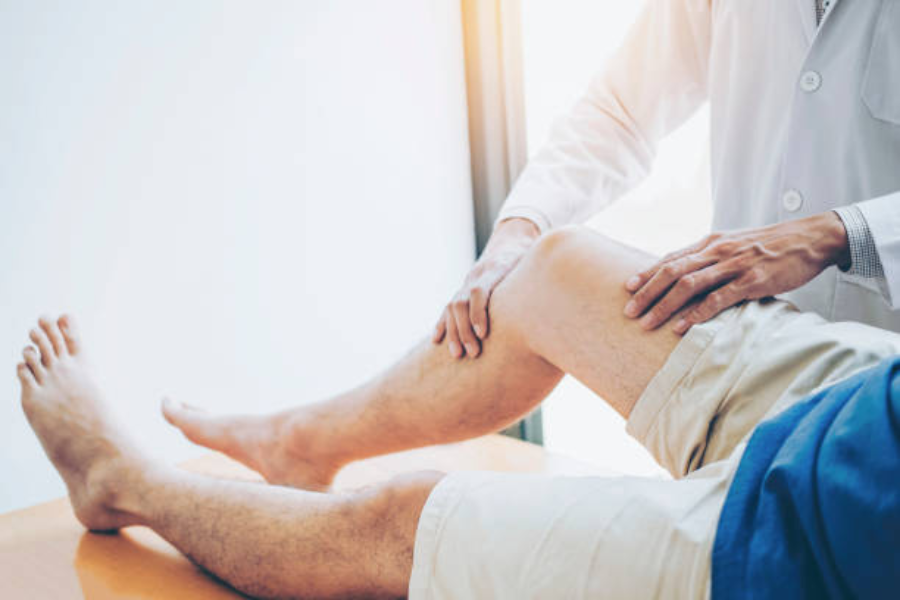
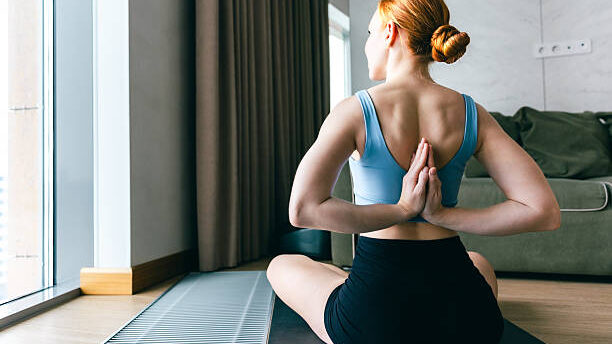
A chair looks harmless enough. You sit down, you work, the hours pass. But your joints don’t see it that way. Hour after hour in one position leaves knees bent, hips locked in place, and the spine carrying the same load without a break.
Somewhere in your forties or fifties, this starts to show. You stand up from your desk and your back takes a second to straighten. A walk that used to feel easy now feels like work. Bit by bit, the body loses some of its strength, its flexibility, its confidence in movement.
Sitting isn’t the villain here. The real problem is staying still for too long without giving your joints a chance to move. They’re built for motion, not for holding one position all day.
The good news is that small changes actually help. Standing up more, walking between tasks, stretching a little, adding some strength work. None of it needs to be dramatic to make a difference for your joints.

Joint Troubles
1. Sitting Too Long Feeds Joint Stiffness
Your body doesn’t love sitting still for hours. When you stay seated, your hips, knees, ankles, and spine barely move. The muscles and tissue around each joint tend to tighten up, and you feel it most when you finally stand.
That stiffness shows up right after long sitting. You need a moment to straighten your knees or get your hips moving before you can walk normally. Do this every day, for years, and movement starts to feel more restricted than it should.
Moving regularly keeps your joints working through their full range. Standing every 30 to 60 minutes, taking a short walk, shifting position, doing a bit of gentle stretching. These small breaks matter more than people expect.Nobody’s saying skip sitting altogether. You sit to work, to drive, to eat, to rest. That’s normal life. The issue is sitting for hours without ever getting up.
For your joints, a quick movement break can be worth more than it looks. A few minutes on your feet can loosen things up and make the rest of the day easier on your body.
2. Your Hips and Ankles Lose Their Natural Range
The hips and ankles carry a lot of the workload with every step you take. They let you bend, walk, climb stairs, and keep your balance. Sit for hours and these joints barely move at all, especially when your legs stay still the whole time.
Do that long enough and your hips tighten, your ankles lose flexibility. Standing up from a chair starts to feel a little clumsy. The first few steps feel stiffer than they should. It gets more obvious when you try to bend deeper or take a longer stride than usual.
Regular movement keeps these joints working the way they’re supposed to. Short walks between tasks, standing while you’re on a call, a few hip stretches, ankle circles, some light mobility work. Small stuff, done often, adds up.
You’re not trying to force a stiff joint into an uncomfortable stretch. Slow and steady wins here.Keep your lower body joints mobile and walking, climbing stairs, and getting through your day just feels easier, especially as the years add up.
3. Less Movement Makes Existing Joint Pain Worse
If your joints already hurt, sitting still feels like the obvious answer. But too much rest can backfire. When you move less, the muscles that support your joints lose strength and stamina over time. Then even simple tasks put more strain on joints that aren’t as well supported as they used to be.
It turns into a loop that’s hard to break. Pain leads to less movement. Less movement leads to weaker muscles and stiffer joints. That combination makes everyday movement harder, which leads to even less activity. Walks get skipped. Stairs get avoided. Errands get put off.
Gentle movement can break that cycle for a lot of people. Short walks, water exercise, light stretching, strength work built around your specific joint issues. None of it needs to feel like a hard workout.
That said, listen to your body. New pain, or pain that’s getting worse, deserves a real evaluation, not just pushing through it.The goal isn’t to exercise the pain away completely. It’s to stop inactivity from quietly draining your strength and mobility. Staying appropriately active tends to make joint pain more manageable and daily movement more comfortable.
4. Sitting Too Much Weakens the Muscles Around Your Joints
Muscles act like a support system for your joints. They stabilize the knees, hips, shoulders, and spine while you move through your day. Spend most of that day sitting and those muscles barely get used.
It creeps up on you. Stairs feel harder than they used to. Standing up from a chair takes more effort than it should. Maybe you feel a little less steady on your feet or while carrying groceries. It’s easy to blame the joints, but often it’s the muscles around them that have gotten weaker.
Sitting all day also cuts down on the weight-bearing activity your body needs to stay strong. Skip that for long enough and physical deconditioning sets in.
Strength training can turn this around. Chair squats, resistance bands, leg raises, rows, anything that works the muscles supporting your joints. Pair that with short movement breaks throughout the day and you’ve got a solid combination.
Strong muscles give your joints a better foundation to work from. Staying active isn’t just about muscle size. It keeps your whole body stable and ready for whatever the day throws at it.
5. Bad Sitting Posture Shifts the Load Onto Your Joints
How you sit changes where the pressure lands. Slouching, leaning to one side, sitting without real support, all of it puts different stress on your spine, hips, and the muscles around your joints. Do that for hours and those areas end up stiff, tired, or sore.
It’s rarely about one bad sitting position. The real issue is staying in any single position for too long. Even a great chair starts to feel uncomfortable after hours of barely moving.
Changing your position regularly spreads that workload out. Stand up for a few minutes. Walk around. Adjust the chair. Shift how you’re sitting every so often. These small shifts break up the long stretches of pressure on the same joints.
A well-set-up desk helps too. Feet supported, screen at a decent height, body reasonably aligned. But even a perfect setup won’t save you if you never move.
Joint health isn’t only about posture. It’s posture plus movement plus enough strength to handle the demands of your day, especially once you hit your forties and fifties.
6. Sitting Too Much Makes Regular Movement Feel Harder
Your body adjusts to whatever you ask of it, or don’t ask of it. Sit most of the day and even ordinary movement starts to feel like more effort. A longer walk, a flight of stairs, standing for a few minutes, and your muscles tire out faster than you’d expect.
Part of that is just conditioning. Regular movement keeps your heart, muscles, joints, and nervous system used to handling physical work. Sit too much and you lose that practice. Endurance drops, and movement starts feeling harder than it should.
That makes the whole thing worse. You get tired after activity, so you rest more, so you move even less. Strength and stamina slip away a little at a time.Fixing it doesn’t take an intense workout. Short walks, standing breaks, chores around the house, a few minutes of light movement here and there. Add a regular strength routine on top and you’ve got real support for your joints.
The goal is just to make movement feel normal again. Stay active through the day and you protect your endurance, cut down on stiffness, and keep everyday tasks from feeling like a chore.
If you want to know more about joint stiffness and mobility,is it fixable? or joint health?
Conclusion
Sitting is part of normal life, and nobody’s asking you to give up your chair. But spending most of your day in one position slowly wears on your joints. Less movement means more stiffness, weaker muscles, tighter hips and ankles, and a body that gradually finds it harder to stay active.
The fix isn’t complicated. Stand up between tasks. Take a short walk. Change position. Stretch for a minute. Add some strength work into your week. If a joint already hurts and the pain is new or getting worse, get it checked out rather than pushing through it. Joints stay healthy through regular use, and even small amounts of movement scattered through your day can keep them flexible, strong, and ready for whatever comes next.