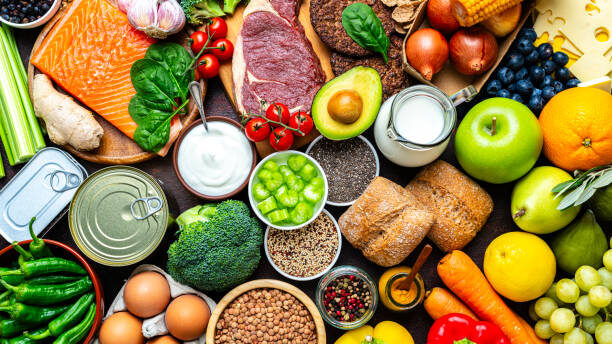
Nothing changes overnight at 40. Muscles take a bit longer to bounce back. Bones ask for more support. Energy that used to carry you from morning to night starts running out by mid-afternoon. The body needs more and absorbs less, and most people don’t notice until the gap has already grown.
Plenty of adults think they’re eating well, but several nutrients quietly become harder to get enough of with age. Digestion slows, appetite shifts, medications interfere, and daily habits change, and all of it chips away at intake in ways that rarely show up right away.
Fatigue creeps in. Muscles feel weaker than they should. Memory gets a little foggier. Colds stick around longer. It’s easy to chalk this up to getting older, but often it’s the body flagging what it’s been missing. Paying attention to these ten nutrients is one of the more practical ways to stay strong, sharp, and independent for longer.
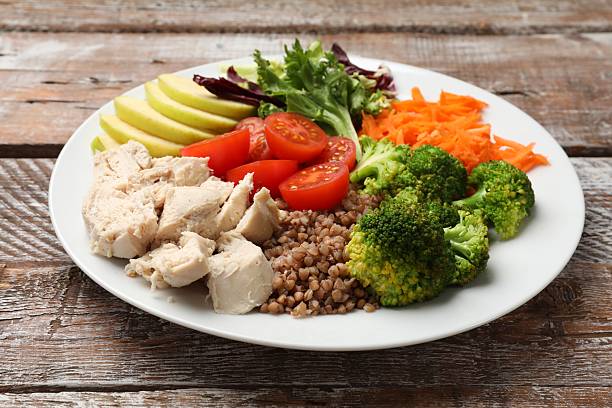
Nutrients Adults Need Over 40
1.Protein Becomes More Valuable Every Year
Protein matters at every age, but after 40 the stakes go up. Muscle mass declines naturally with age, and without enough protein that decline speeds up. It’s harder to stay strong, recover from a workout, or keep up with an active life.
Protein supplies the amino acids that repair tissue and rebuild muscle after use. It also keeps you full longer, which makes managing weight easier. Skipping breakfast, shrinking portions, or leaning on processed food can quietly cut daily protein without anyone noticing until recovery slows, strength drops, or everyday tasks start feeling harder than they used to.
Fish, poultry, eggs, dairy, beans, lentils, tofu, nuts, and lean meats all deliver solid protein. Spreading it across the day, rather than loading up at dinner, tends to work better for muscle maintenance. Past 40, protein stops being just another item on a nutrition label. It becomes one of the body’s best allies.
2.Vitamin D Stops Pulling Its Full Weight
Vitamin D does more than build bone. It supports muscle strength and immune function too, and a lot of adults run low even in sunny climates. Skin gets less efficient at making vitamin D from sunlight with age, and more time indoors, regular sunscreen use, and certain health conditions push levels down further. Because it happens gradually, the deficiency can go unnoticed for years.
Muscles feel weaker. Recovery takes longer. Fractures become more likely, and colds hit more often. People tend to write these off as ordinary aging when low vitamin D might be part of the story.
Fatty fish, egg yolks, fortified dairy, and fortified cereal all help. So does safe sun exposure. When food and sunlight aren’t cutting it, a doctor can test levels and recommend a supplement if needed.
3.Magnesium Keeps More Systems Running Than Expected
Magnesium doesn’t get the press that calcium or vitamin D gets, but it’s involved in hundreds of processes in the body, including muscle function, sleep, heart rhythm, and nerve signaling. Even a mild shortfall can affect how you feel day to day.
Diets heavy in processed food tend to be light on magnesium, and certain medications, digestive issues, and age-related absorption changes make it worse. The warning signs are easy to miss: more frequent muscle cramps, restless sleep, lingering fatigue, and occasionally an irregular heartbeat. None of these prove low magnesium on their own, but they’re worth paying attention to.
Almonds, pumpkin seeds, spinach, black beans, whole grains, and avocados are strong sources. Building meals around them helps restore healthy levels naturally, and a doctor may suggest a supplement if diet alone isn’t enough.
4.Calcium Protects More Than Just the Bones
Calcium’s reputation is mostly about bones, but it also helps muscles contract, nerves fire, and the heart keep a steady beat. After 40, bone density starts dropping faster, so getting enough calcium matters more than ever.
The body works hard to keep blood calcium levels stable, and when diet falls short, it pulls calcium from the bones instead. That trade-off can weaken bone strength over years without any obvious symptoms, until a scan or an unexpected fracture reveals the damage.
Watch for more frequent muscle cramps, weaker teeth, brittle nails, or bone loss that shows up only on imaging. Dairy, yogurt, cheese, fortified plant milk, tofu, almonds, and leafy greens all help, and vitamin D improves how well the body absorbs it. Calcium isn’t just a bone nutrient after 40. It supports nearly everything that keeps the body moving.
5.Zinc Keeps Repair Work Moving
Zinc rarely gets much attention, but the body relies on it constantly for immune defense, wound healing, and skin and cell repair. As that repair process naturally slows with age, getting enough zinc matters more.
The body doesn’t store much zinc, so regular intake through food is essential. Eating fewer zinc-rich foods, certain digestive conditions, and age-related absorption changes can all lower reserves over time. Cuts take longer to heal. Colds show up more often. Hair may thin, and taste or smell can dull, and these changes tend to creep in slowly enough to go unnoticed.
Oysters, lean beef, poultry, seafood, beans, pumpkin seeds, nuts, and whole grains are good sources, and a reasonably balanced diet usually covers it. Keeping zinc levels steady helps the body’s repair systems keep pace with age.
6.Fiber Quietly Supports the Whole Body
Fiber doesn’t get the spotlight vitamins and minerals do, but it touches nearly every part of health, and most adults eat far less of it than they should. After 40, it becomes even more useful for digestion, cholesterol, and blood sugar control.
Fiber doesn’t get absorbed into the bloodstream. Instead, it feeds gut bacteria and helps waste move through the system, while also slowing sugar absorption and helping lower LDL cholesterol. Too little of it shows up as more frequent constipation, energy that swings up and down, hunger returning faster after meals, and cholesterol or blood sugar that’s harder to keep in check.
Whole grains, beans, lentils, fruit, vegetables, nuts, and seeds are the best sources. Add them gradually and drink enough water so digestion can adjust comfortably. Fiber is a long-term investment in heart and metabolic health, not just a digestive fix.
7.Omega-3 Fatty Acids Keep the Brain and Heart Connected
Omega-3 fats support the heart and brain and help calm chronic inflammation, yet most adults eat far less than experts recommend. EPA and DHA, the two most useful forms, come mainly from fatty fish like salmon, sardines, mackerel, and trout. They help keep blood vessels flexible, support healthy cholesterol, and play a role in memory and brain cell communication.
A diet low in omega-3s doesn’t announce itself early. Dry skin becomes more common. Memory feels a little less sharp. Joint discomfort lingers, and the heart loses one of its better nutritional defenses against inflammation.
Eating fatty fish twice a week is one of the simplest ways to close the gap. For people who rarely eat seafood, algae-based or fish oil supplements are worth discussing with a doctor. Omega-3s are one of the better investments you can make in long-term heart and brain health.
8.Potassium Helps the Heart Stay in Rhythm
Potassium doesn’t get nearly the attention calcium or magnesium does, but it helps regulate blood pressure, supports muscle contractions, balances fluid levels, and keeps the heart beating steadily. Most adults get too little of it while eating far more sodium than they need, and that imbalance puts extra strain on the heart over time. Certain medications, heavy sweating, and digestive illness can lower potassium further.
Muscle weakness, painful cramps, lingering fatigue, and sometimes irregular heartbeats or elevated blood pressure are all signs worth noticing, even though they can have other causes too.
Bananas get all the credit, but potatoes, sweet potatoes, spinach, avocados, beans, tomatoes, yogurt, and oranges are just as rich in potassium. Working these into meals regularly supports steadier blood pressure, stronger muscles, and a heart that keeps humming along.
9.Vitamin B12 Becomes Harder to Hold Onto
B12 keeps the brain, nerves, and blood cells functioning properly, and it gets harder to absorb after 40 as stomach acid production naturally declines. Certain medications and digestive conditions make absorption even tougher.
The body uses B12 to make healthy red blood cells and maintain the protective coating around nerves, and it plays a role in memory, focus, and energy. As levels drop, those systems slowly lose efficiency, often in ways that look just like ordinary aging. Fatigue increases. Hands or feet may tingle or go numb. Memory lapses and trouble concentrating become more common. Left unaddressed long enough, it can cause lasting nerve damage.
B12 shows up naturally in meat, fish, eggs, dairy, and fortified cereal. Vegetarians and vegans may need fortified foods or a supplement to keep up. Keeping levels steady after 40 protects the brain and nerves and helps keep energy from quietly slipping away.
10.Iron Still Matters Beyond Midlife
Iron isn’t just a concern for younger adults. Every cell needs it to help carry oxygen, and staying on top of iron levels after 40 continues to support energy, physical performance, and overall vitality. Both low intake and poor absorption can become issues with age.
Iron is a core part of hemoglobin, the protein in red blood cells that delivers oxygen to muscles, organs, and the brain. When levels drop, the body can’t move oxygen as efficiently, and even routine activities start to feel more tiring. Fatigue gets harder to shake. Breathlessness shows up during ordinary tasks. Skin looks paler, and concentration slips, though these signs often go unnoticed until a blood test catches the problem.
Lean red meat, poultry, seafood, beans, lentils, spinach, and iron-fortified cereal are all strong sources, and pairing plant-based iron with vitamin C helps the body absorb more of it. Keeping iron levels steady after 40 helps the body keep moving the way it should.
Conclusion
Getting older doesn’t have to mean feeling weaker or slower. Often the body is just asking for the nutrients it needs to keep up. Changes in digestion, metabolism, appetite, and daily habits after 40 can quietly widen the gap between what you’re eating and what you actually need, and those small shortfalls tend to build over time without much warning.
Protein, vitamin D, magnesium, calcium, zinc, fiber, omega-3 fatty acids, potassium, vitamin B12, and iron each protect a different part of the body, from muscles and bones to the heart, brain, and immune system. When one falls short, the effects show up as fatigue, weakness, slower recovery, or a general decline that’s easy to mistake for just getting older.
The good news is that most of these gaps can be closed through better food choices, regular checkups, and supplements when a doctor recommends them. Paying attention to nutrition now is one of the most practical ways to stay strong, sharp, and independent in the years ahead.