Nobody wakes up and thinks, something’s wrong with my thyroid. Instead, life drops little hints. The scale won’t cooperate even though breakfast hasn’t changed. The mirror shows thinner hair than it did six months ago. Hands stay cold in a warm room. A favorite sweater suddenly feels tight at the neck.
None of it seems connected at first. Most people blame stress, age, or a busy month. But the thyroid, small as it is, quietly shapes a lot of what shows up in the mirror: weight, skin, hair, even the heart’s rhythm. It sits at the base of the neck and rarely gets a second thought until something shifts. The real trick is catching the signal before it gets loud enough to be unmissable.

Thyroid Imbalances
1 The mirror changes first
A shirt feels tighter across the shoulders. Pants need a different belt notch. Or the opposite happens, weight drops without any change in diet or exercise, and clothes that fit perfectly last season suddenly hang loose.
This is often where a thyroid problem leaves its first mark. The gland helps control metabolism, which decides how fast the body burns energy for fuel. An underactive thyroid slows that burn, so weight creeps up even when nothing else has changed, no new snacking habit, no skipped workouts. An overactive one speeds things up instead, and weight can fall off fast even with a normal appetite or, in some cases, eating more than usual.
The shift rarely shows up alone. The face might look fuller or leaner than it did a few months back. Most people blame age or stress before they ever suspect a gland the size of a walnut. Weight naturally moves around through life, but a sudden, unexplained swing, especially alongside other changes, is worth paying attention to.
2 The neck sometimes gives it away
The thyroid sits quietly at the base of the neck and usually goes unnoticed for years. When something’s off, the neck can show it before any blood test does.
A small swelling might appear below the Adam’s apple. At first it looks like nothing, maybe weight gain or bad posture. Over time it can feel tighter, or create pressure under a collar or necklace. Some people notice swallowing feels different, a faint awareness of the throat that wasn’t there before.
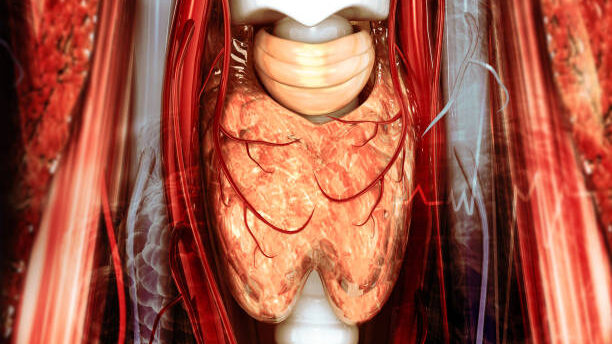
That’s usually a goiter, A goiter is an abnormal enlargement of the thyroid gland, a butterfly-shaped organ located at the base of your neck
An enlarged thyroid that develops when the gland is overworked or struggling to make the right amount of hormone. Small nodules can also form and create visible changes in the same area. Not every neck swelling means thyroid trouble, and not every thyroid problem causes visible swelling, but an unexplained change here is one of the more obvious physical clues available.
3 The face shows it too
Waking up looking more tired than rested, puffier cheeks, swollen eyes, even after a full night’s sleep, the face can feel unfamiliar before anything else does. The reflection doesn’t quite match how a person actually feels.
An underactive thyroid lets fluid build up under the skin, which shows up as puffiness around the eyes, cheeks, and jawline. Expressions can look duller or less defined than usual. People often notice the change in someone else’s face, a partner or a close friend, before they notice it in their own.
It’s easy to blame allergies, bad sleep, or just getting older, and sometimes that’s exactly what it is. But persistent puffiness that sticks around alongside other symptoms tends to point somewhere more specific.
4 The skin notices the imbalance
Healthy skin does its job quietly. It holds moisture, heals fast, and doesn’t ask for much. When the thyroid slips out of balance, skin is often one of the first places that shows it.
An underactive thyroid slows oil production, so skin turns dry, rough, or flaky, loses some of its usual glow, and grows more sensitive to cold. Small cuts and scrapes take longer to close up than they used to. An overactive thyroid tends to do the opposite: skin runs warm, thin, or unusually moist because metabolism is running faster than normal.
Heavier moisturizer or a new skincare routine might help for a while, but neither one fixes the actual cause. When the skin keeps sending the same message no matter how it’s treated, the explanation may have nothing to do with what’s on the bathroom shelf.
5 Hair tells its own story
Hair grows in quiet cycles, replacing old strands with new ones every day, and most people never think about that process until the shower drain starts collecting more than usual or the brush fills up faster each week.
The thyroid keeps that cycle on schedule. When hormone levels swing too low or too high, hair follicles drift out of rhythm. New growth slows, and existing strands turn thinner, drier, and more fragile, losing volume and shine along the way.
There’s rarely one dramatic moment. Just a wider part, a thinner ponytail, more strands left on the pillow. Stress, aging, and seasonal shedding get blamed first, which makes the real cause easy to miss for months. But when thinning shows up alongside weight changes, dry skin, or unusual tiredness, the thyroid is worth checking before anything else.
6 The body’s thermostat
Some people run cold no matter the weather. Some run hot. Usually that’s nothing, just how a person’s built. But when it turns into a daily struggle instead of an occasional annoyance, the thyroid may be behind it.
The gland works like an internal thermostat,The thyroid gland acts as the body’s “internal thermostat,” controlling your metabolism and core temperature. An overactive one pushes things the other way: mild rooms start feeling uncomfortably warm, sweating becomes more frequent, and tolerating heat gets harder than it used to be.
You can also know what is “Signs of Weak or low Metabolism” from this link.
Weather changes with the seasons. The body’s internal temperature isn’t supposed to swing the same way, and when it does consistently, that’s usually a sign worth following up on.
7 The heart can start following along
The heart usually keeps a quiet, steady rhythm and asks for very little attention. When that rhythm suddenly feels different, thyroid hormone is often part of the explanation.
Too much hormone speeds the heart up. A short walk can feel surprisingly demanding, the heartbeat turns fast, forceful, or irregular, and some people notice fluttering in the chest even while resting. Too little hormone slows things down instead, leaving a person winded or unusually sluggish during everyday tasks, even something as small as climbing one flight of stairs.
Caffeine, stress, and poor sleep get blamed first, and they’re reasonable explanations on their own. But when heart changes show up alongside weight shifts, hair thinning, or temperature sensitivity, the thyroid deserves a closer look too.
8 Muscles stop cooperating
Muscles remember the daily routine: the morning walk, the bag of groceries, the stairs, the stubborn jar lid. When those ordinary tasks start feeling harder than they should, something has usually changed underneath.
The thyroid plays a real part in keeping muscles strong and responsive. Low hormone levels can leave muscles weak, slower to recover, and stiff after even light activity. High hormone levels weaken muscles too, particularly around the shoulders and thighs, making it harder to lift, reach overhead, or stand up from a chair without using the arms for help.
It’s easy to chalk this up to aging or a less active lifestyle, and sometimes it really is that simple. But paired with the other symptoms above, weight changes, dry skin, hair thinning, temperature sensitivity, it’s often the thyroid tying all of them together into one explanation.
Conclusion
The thyroid is small, but its footprint is large: the mirror, the skin, the hair, the heart, the muscles. These changes rarely show up all at once. They build slowly, one small clue at a time, until the pattern becomes hard to miss.
Unexplained weight changes, persistent dry skin, thinning hair, odd temperature sensitivity, muscle weakness, neck swelling, or a heartbeat that feels different shouldn’t get written off as just getting older. Most thyroid problems show up clearly on a simple blood test, and most respond well once they’re caught and treated. Sometimes the healthiest decision starts with paying attention to what the body’s already been saying.