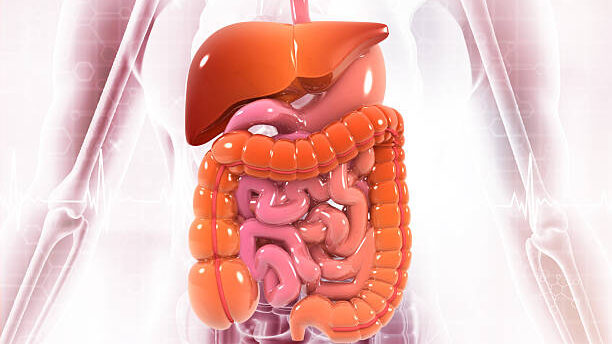
Unexpected weight gain gets confusing fast, especially when your eating habits haven’t really changed. The scale can rise for several distinct biological reasons that have nothing to do with willpower.
Sometimes it’s genuine fat gain. Other times your body is holding extra water, hormones are shifting your metabolism, or an underlying condition is changing how your body uses and stores energy entirely.
That distinction genuinely matters, a few extra pounds after a salty meal is nothing like steady weight gain paired with swelling, fatigue, or menstrual changes. Several health conditions influence weight through hormones, metabolism, fluid balance, or organ function, some common and treatable, others requiring prompt medical attention. Here’s the actual science behind seven conditions linked to unexpected weight gain.

Conditions Could Be Behind It
1. An Under-active Thyroid Slows Your Metabolic Pace (Hypothyroidism)
Your thyroid sets your body’s overall metabolic pace through hormones, mainly thyroxine (T4) and triiodothyronine (T3), that influence how cells use oxygen and produce energy.
When your thyroid becomes underactive, hormone levels drop, cellular energy use slows, and your body burns fewer calories at rest, contributing to gradual weight gain even without eating more. This isn’t only about fat either, hypothyroidism also causes your body to retain more salt and water, adding directly to the number on the scale.
A slower metabolism often reduces activity too, persistent fatigue naturally means moving less throughout the day. Not everyone with hypothyroidism gains substantial weight, severity, muscle mass, and genetics all play a role. Persistent weight gain alongside fatigue or unusual cold sensitivity is worth raising with a doctor.
2. Cushing Syndrome Pushes Fat Toward Unusual Places
Cushing syndrome involves prolonged exposure to unusually high cortisol levels, a hormone that significantly changes metabolism and where your body actually stores fat.
The most noticeable effect is central weight gain, fat accumulating around your abdomen, face, and upper body while arms and legs stay comparatively thin. High cortisol also increases insulin resistance, making it easier for your body to maintain elevated blood glucose and store additional energy as fat.
There’s a muscle angle too, prolonged excess cortisol breaks down muscle tissue, particularly in the limbs, reducing strength and lowering overall energy expenditure. This is different from everyday stress, which only causes temporary cortisol shifts. Unexplained central weight gain paired with easy bruising, purple stretch marks, or muscle weakness deserves real medical evaluation.
3. Kidney Disease Can Show Up as Fluid, Not Fat
The number on your scale doesn’t always represent new body fat. Kidney disease can cause rapid weight gain simply because your kidneys can no longer regulate sodium and water effectively.
Healthy kidneys constantly filter blood and adjust sodium retention, and since sodium attracts water, retaining more sodium means retaining more fluid in your bloodstream and tissues. As kidney function declines, this balance becomes genuinely harder to control, fluid collects in your ankles, legs, or hands, sometimes even in your lungs in advanced cases.
This weight gain happens fast too, several pounds can appear over days without eating nearly enough to gain that much actual fat. Swelling, breathlessness, or a rapid weight increase are important clues, and anyone with known kidney disease should monitor sudden changes closely as a signal of fluid imbalance.
4. PCOS Changes How Your Body Handles Insulin
Polycystic ovary syndrome affects metabolism as much as reproductive health, and insulin resistance is one of its defining features, meaning your cells stop responding to insulin as effectively as they should.
When cells resist insulin, your pancreas produces more of it to keep blood sugar controlled, and higher insulin levels influence fat storage and appetite for many people, particularly around the abdomen. Hormonal shifts compound this further, PCOS often brings higher androgen levels and irregular ovulation, interacting with insulin resistance in a reinforcing cycle that’s hard to break alone.
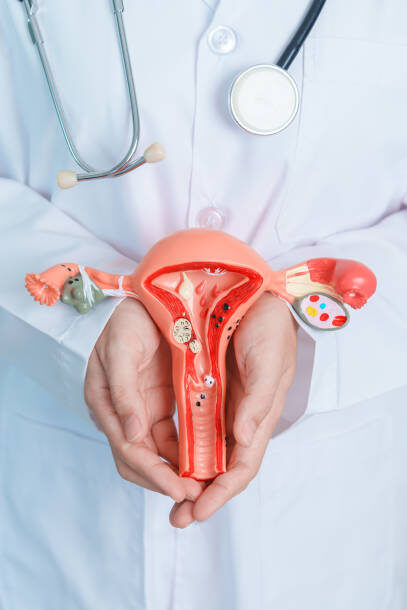
Weight gain isn’t required for a PCOS diagnosis though, some people maintain a normal weight while others struggle considerably.
The real story involves insulin signaling and hormone regulation working together, not simply “slow metabolism.” Irregular periods, excess hair growth, or fertility struggles alongside weight changes are worth discussing with a doctor.
5. Heart Failure Causes the Scale to Rise Through Fluid Buildup
Heart failure doesn’t mean your heart stopped working, it means your heart can’t pump blood as effectively as your body actually needs.
When pumping ability drops, blood backs up in circulation, raising pressure in nearby vessels and pushing fluid out into surrounding tissue. Your kidneys compound this by retaining more sodium and water in response to reduced blood flow, together producing edema, visible fluid buildup throughout your body.
The scale can rise quickly from this alone, swelling appears in ankles and legs, shoes feel tighter, and fluid sometimes collects in your lungs, causing breathlessness during activity or while lying flat. This differs entirely from gaining actual body fat, a rapid rise over days often reflects shifting fluid balance rather than new calories. For anyone with known heart failure, sudden weight gain is a genuine warning sign worth acting on immediately.
6. Liver Disease Causes Abdominal Swelling From Fluid, Not Fat
Liver disease can make your abdomen noticeably larger, but that increase often isn’t fat at all. In advanced liver disease, fluid collects inside the abdominal cavity itself, a condition called ascites.
Your liver normally produces albumin, a protein that keeps fluid inside blood vessels where it belongs, and serious liver damage reducing albumin production throws that fluid balance off completely. Portal hypertension adds another layer, scarring inside the liver makes blood flow harder, building pressure that pushes fluid out of vessels and into your abdomen directly.
Your kidneys then compound the problem by retaining even more sodium and water in response. Ascites causes progressive abdominal swelling, and body weight can rise despite little change in food intake since the added weight is genuinely fluid. Rapidly enlarging abdominal swelling, especially with yellowing skin or confusion, needs urgent medical evaluation.
7. Depression and Mental Health Conditions Alter Appetite and Activity
Mental health influences body weight through very real biological and behavioral pathways, depression specifically can change appetite, sleep, movement, and how your brain responds to food entirely.
Some people with depression lose their appetite, others experience the opposite, stronger cravings and greater reliance on calorie-dense food, shaped by brain signaling, sleep patterns, and stress hormones working together. Physical activity often drops too, fatigue and low motivation reduce daily energy expenditure, contributing to weight gain even when food intake stays exactly the same.
Sleep compounds this further, poor sleep disrupts the hormones governing hunger and fullness over time. Certain medications used to treat mental health conditions can contribute to weight gain too, varying widely by drug and individual response. This isn’t a willpower problem, unexpected weight gain alongside persistent low mood or major sleep changes deserves a broader medical conversation.
Conclusion
Unexpected weight gain isn’t always about eating more or moving less. Several real health conditions change metabolism, appetite, fluid balance, or how your body stores energy entirely, and the scale often can’t tell you which one is happening.
An underactive thyroid slows metabolic activity while increasing fluid retention, PCOS affects insulin signaling directly, and Cushing syndrome alters fat distribution while promoting muscle loss simultaneously. Heart failure and kidney disease push the scale upward through sodium and water retention rather than genuine fat, while advanced liver disease produces abdominal swelling through ascites specifically.
The real distinction is persistent or rapid unexpected weight gain paired with swelling, fatigue, or other new symptoms, since sometimes the scale is simply pointing toward something happening underneath the surface.