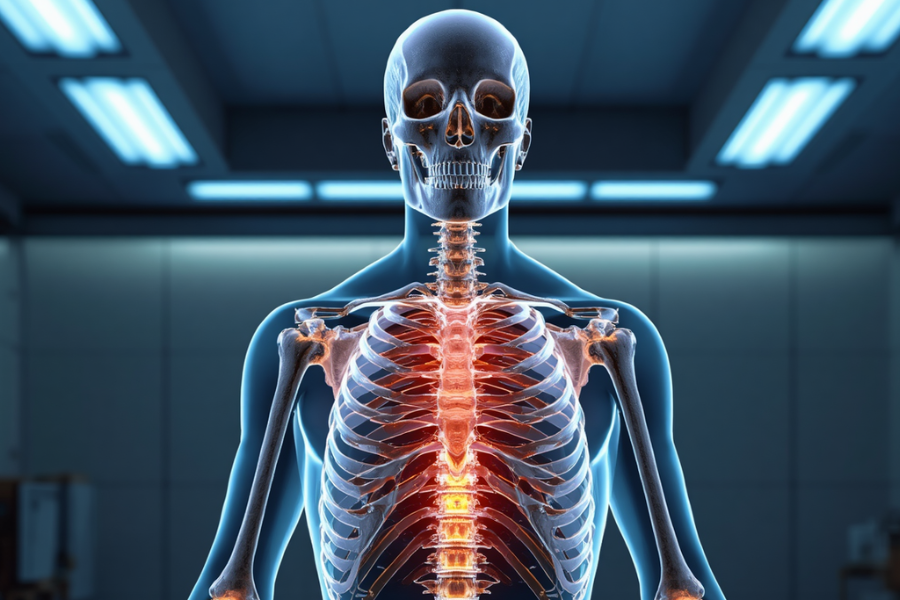
Menopause brings changes that go well beyond hot flashes and mood swings. One of its biggest effects happens quietly inside the skeleton. Bones that once stayed strong begin losing density at a much faster rate, often without pain or noticeable symptoms.
For many women, this shift starts as estrogen levels decline. The body begins breaking down old bone faster than it can build new bone. Because the process is gradual, it’s easy to assume everything is fine until a minor fall leads to an unexpected fracture or a routine scan reveals weaker bones.
The encouraging part is that menopause doesn’t guarantee fragile bones. Understanding what’s happening inside the body makes it possible to act early on bone health. Good nutrition, regular weight-bearing exercise, strength training, and timely screenings can all help protect bone health. Small choices made during midlife often shape mobility, independence, and quality of life for years to come.
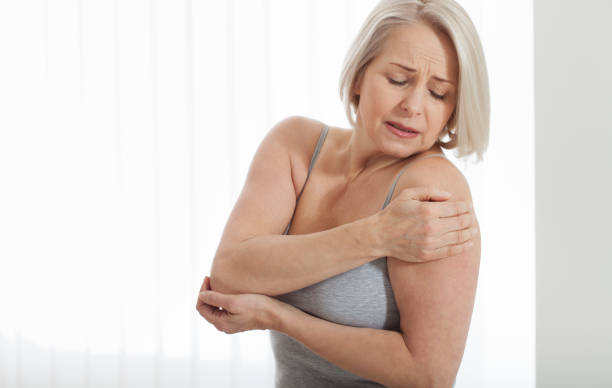
Menopause Can Affect Bone Health
1. Bone Loss Speeds Up Faster Than Many Women Expect
Many women are surprised to learn that bone loss can speed up soon after menopause begins. During younger years, the body continuously removes old bone and replaces it with new bone, keeping bone health strong. After menopause, that balance shifts. Bone breaks down faster than it rebuilds, and bone density declines much faster.
The first few years after menopause are often when bone loss is greatest. Because the process is painless, most women have no idea it’s happening. They may feel healthy while their bones gradually grow thinner and more fragile. Often, the first warning sign is a fracture after a simple fall or ordinary activity.
This change is a natural part of aging, but it isn’t something women have to accept without action for their bone health. Regular exercise, a nutrient-rich diet, adequate calcium and vitamin D, and routine screenings can all help slow bone loss and protect bone health for years to come.
2. Estrogen Stops Protecting the Skeleton
Estrogen is often known for its role in reproductive health, but it’s also one of the body’s strongest protectors of bone health. Throughout adulthood, this hormone keeps a healthy balance between breaking down old bone and building new bone. As long as that balance holds, the skeleton stays strong and resilient.
Menopause changes that relationship almost overnight. As estrogen levels fall, the body’s bone-remodeling process becomes less efficient. Bone-breaking cells grow more active than bone-building cells, and bone density drops faster. This shift is one of the main reasons osteoporosis becomes far more common after menopause.
The change happens quietly, without pain or obvious symptoms. That’s why many women don’t realize their bone health is slipping until a scan or fracture reveals the problem. Supporting bone health through weight-bearing exercise, strength training, adequate calcium, vitamin D, protein, and routine screenings can soften the impact of declining estrogen and protect the skeleton for years ahead.
3. Calcium Becomes Harder for the Body to Use Efficiently
Calcium remains one of the most important nutrients for bone health, but menopause changes how the body uses it. As estrogen declines, calcium absorption becomes less efficient, meaning the body may take in less calcium from the same foods that once met its needs. Over time, this can chip away at bone density if nutritional needs go unmet.
When the body doesn’t get enough usable calcium, it turns to its largest storage site: the bones. Small amounts of calcium release into the bloodstream to support essential functions like muscle contractions and nerve signals. If this continues for years, the skeleton slowly grows thinner and more fragile, and bone health suffers as a result.
Getting enough calcium is only part of the solution for bone health. Vitamin D matters just as much because it helps the body absorb calcium more effectively. A balanced diet, regular sunlight exposure when appropriate, weight-bearing exercise, and guidance from a healthcare professional can all help protect bone health throughout and after menopause.
4. Bones Become More Fragile Without Warning
One of the most concerning effects of menopauseis that bones can weaken without any noticeable symptoms. Unlike aching muscles or stiff joints, declining bone health usually develops in complete silence. A woman may feel perfectly fine while her bones gradually lose the density needed to withstand everyday stress.
As bone loss continues, the risk of osteoporosis rises. This condition makes bones thinner, more porous, and much easier to break. A simple slip on the sidewalk, lifting a heavy object, or an awkward twist can sometimes cause a wrist, hip, or spine fracture. Recovery from these injuries often gets harder with age and can affect mobility for months.
The good news is that fragile bones aren’t inevitable, and bone health can be protected. Bone density screenings, weight-bearing exercise, strength training, and a diet rich in calcium, vitamin D, and protein can all help preserve bone health. Acting before the first fracture happens is one of the most effective ways to stay active, independent, and confident in the years ahead.
5. Everyday Balance May No Longer Feel the Same
Menopause affects more than bone density. It can also shape balance, muscle strength, and coordination, making everyday movements feel less steady than before. These changes often build gradually, so many women don’t notice them until they stumble more often or feel less sure walking on uneven ground.
As bones grow less dense, even a minor fall carries bigger consequences. A trip on the stairs, a slippery floor, or a sudden loss of balance can lead to fractures that might not have happened years earlier. Hip, wrist, and spine fractures become more common because weaker bones can’t absorb the same force, and that hits bone health from another angle.
Protecting bone health also means preventing falls. Regular strength training, balance exercises, walking, and activities like yoga or tai chi can improve stability and lower the risk of injury. Keeping the home free of tripping hazards and wearing supportive footwear add another layer of protection. Better balance and stronger bone health work together to help women stay active, confident, and independent.
6. Recovery From Fractures Often Takes Longer
A broken bone is hard at any age, but recovery often slows after menopause. As the body ages, bone-building cells become less active, and healing loses some of its speed. Weaker bones, reduced muscle strength, and other age-related changes can all stretch out the time it takes to regain full mobility after a fracture.
The effects reach beyond the bone itself. Spending weeks or months with limited movement can lead to muscle loss, reduced balance, and lower confidence returning to everyday activities. Many women also grow more cautious after a fall, making them less likely to stay active, which can further weaken both muscles and bone health.
Healing can’t always be rushed, but it can be supported. A balanced diet rich in protein, calcium, and vitamin D, along with proper rehabilitation exercises and guidance from healthcare professionals, creates the best conditions for recovery. Protecting bone health before an injury remains the most effective strategy for avoiding long recoveries later in life.
7. Tiny Spinal Fractures Can Slowly Change Posture
Not every fracture happens after a dramatic fall. In women with weakened bones, tiny compression fractures can develop in the spine with little warning. These small cracks may occur during everyday activities such as lifting groceries, bending over, or even coughing hard. Because they’re often painless at first, many women never realize they’ve happened.
As several of these fractures build up over time, the spine gradually starts to change shape. A woman may notice she’s losing height, her clothes fit differently, or her upper back starts curving forward. This rounded posture, sometimes called a stooped back, can strain the neck and lower back while affecting balance.
Protecting bone density is the best defense against these silent spinal injuries. Regular screenings, weight-bearing exercise, strength training, and a diet rich in calcium, vitamin D, and protein all support stronger vertebrae, preserve bone health, and maintain healthy posture.
8. Muscle Loss Leaves Bones With Less Protection
Muscles and bones work as a team throughout life. Strong muscles support the skeleton, improve posture, and absorb some of the impact placed on bones during everyday movement. After menopause, though, many women start losing muscle mass faster. This gradual decline can leave bones less protected and make daily activities feel harder, which affects bone health directly.
Weaker muscles affect more than strength. They can reduce balance, slow reaction time, and make it harder to recover from a stumble. As a result, the risk of falling rises at the same time bones are growing more fragile. This combination creates a greater chance of fractures, especially in the hips, wrists, and spine, another blow to bone health.
Fortunately, muscle loss isn’t an unavoidable part of aging. Regular strength training, adequate protein intake, and staying physically active help preserve muscle mass while also supporting bone health. By caring for muscles and bones together, women can improve stability, lower their risk of falls, and maintain greater independence in the years after menopause.
Conclusion
Menopause marks a natural stage of life, but it also brings changes that can quietly affect bone health. Declining estrogen, faster bone loss, reduced muscle mass, balance changes, and slower recovery from fractures all work together to raise the risk of osteoporosis. Because these changes often develop without obvious symptoms, protecting bone health should start long before the first fracture occurs.
The encouraging part is that menopause doesn’t have to lead to fragile bones. Weight-bearing exercise, strength training, a balanced diet rich in calcium, vitamin D, and protein, along with regular screenings, can make a real difference for bone health. Healthy habits also help preserve muscle strength, improve balance, and reduce the likelihood of falls.
Strong bone health is built through consistent daily choices, not overnight fixes. By understanding how menopause affects the skeleton and acting early, women can protect their mobility, maintain their independence, and keep living an active, confident life for many healthy years to come.