
The heart gets attention. The waistline gets attention. Even achy joints get more airtime. Kidneys just quietly do their job and don’t ask for credit.
That quiet is a little misleading, though. By your forties, things are already shifting inside — some changes obvious, some completely invisible. Kidneys fall into the invisible category. They keep filtering blood and balancing fluids, just not always with the same efficiency they used to have. There’s no dramatic moment where you notice. It’s a slow drift over years.
Here’s what typically changes, and what’s worth actually paying attention to.
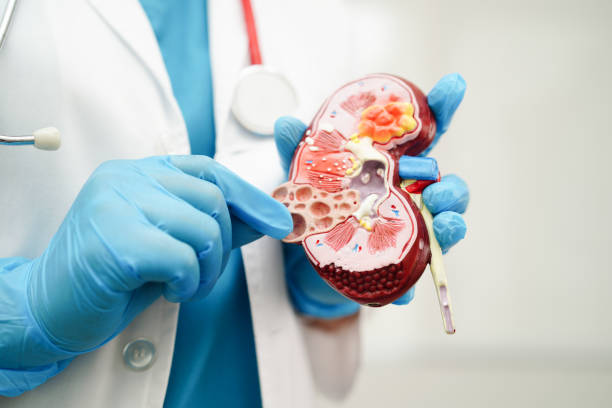
The Organs Nobody Thinks About
1. Filtering blood slows down
Every day, kidneys filter blood, remove waste, and keep fluids balanced — a genuinely impressive workload that keeps going long after 40. What changes with age is the pace. Think of an experienced highway crew during heavy traffic: cars still move, the job still gets done, it’s just not running at the speed it was twenty years ago. Same idea here. The kidneys keep showing up. They just do it with a little less horsepower.
2. Waste takes longer to clear
Cells generate waste constantly, and kidneys normally filter it out fast. After 40, that process can slow down a bit — usually with zero symptoms. The body adapts well, so everything looks normal from the outside even as the kidneys quietly work a little harder to keep up. Not a problem by itself. Just one of the ways the body changes over time.
3. Mineral balance gets more delicate
Potassium, sodium, calcium, phosphorus — kidneys constantly juggle these to keep muscles, nerves, and heart function running properly. After 40, that juggling act gets slightly less forgiving. Dehydration, certain medications, and underlying conditions can throw things off more easily than they used to. Nothing dramatic happens day to day, which is exactly why it’s easy to overlook.
4. More nighttime bathroom trips
This one’s familiar to a lot of people: you fall asleep fine, then find yourself up in the middle of the night for the bathroom. Younger kidneys are better at concentrating urine overnight; that ability declines gradually with age, which means more urine production while you sleep. Usually this is just a normal age-related shift. But it’s also worth knowing that diabetes, prostate issues, and kidney problems can cause the same pattern — so if it goes from occasional to regular, it’s worth mentioning to a doctor.
5. Dehydration hits harder
Skipping a glass of water used to be a non-event. After 40, the kidneys are a bit slower to respond to fluid shifts, so a hot day, a hard workout, or just a busy day with no water can catch up to you faster than it used to. Tiredness, headaches, dry mouth, dizziness — easy to blame on stress or bad sleep, but sometimes it’s just reduced margin for error. Drinking enough water becomes a bigger lever than it used to be.
You can see this link also for more about “Dehydration”
6. Medications stick around longer
A prescription that worked one way at 25 might behave differently at 45 — not because the drug changed, but because the kidneys clearing it have. They act as a cleanup crew for medications and their byproducts, and as that process slows, drugs can stay in the system a bit longer than expected. That doesn’t make medications unsafe; it’s part of why doctors get more attentive to kidney function and dosing as people age.
7. Chronic disease risk creeps up
Age alone doesn’t cause kidney disease. The real driver is that high blood pressure, diabetes, obesity, and heart disease all become more common with age, and the kidneys absorb a lot of that impact. The tricky part is that early-stage kidney disease usually has no symptoms — you can feel completely fine while function quietly declines. That’s the actual argument for regular screenings after 40: catching it before symptoms show up, not after.
8. Trace protein shows up in urine
Healthy kidneys are selective — they filter huge volumes of blood while keeping important things like protein in the bloodstream where they belong. After 40, small amounts can start slipping into urine as filtering becomes less efficient, often with zero symptoms. Most people only find out from a routine lab test. One trace finding doesn’t mean kidney disease, but doctors take it seriously because it can flag a problem well before anything else does.
9. Blood pressure affects more directly
Kidneys and blood pressure have a two-way relationship — healthy kidneys help regulate blood pressure, and healthy blood pressure protects the kidneys. After 40, the small blood vessels inside the kidneys become more vulnerable to wear from elevated blood pressure, which can chip away at filtering capacity. High blood pressure rarely feels like anything day to day, which is exactly why it’s worth getting checked rather than waiting to feel different.
10. Fluid balance gets harder to manage
Deciding how much water to keep versus flush is one of the kidneys’ core jobs, and it gets slightly less precise with age. Nothing feels different year to year, but the body’s response to dehydration, heat, or illness isn’t quite as sharp as it used to be. Good hydration habits help offset that smaller margin for error.
Conclusion
None of this happens overnight, and most of it counts as normal aging rather than disease. What matters is knowing the difference between expected changes and the stuff worth flagging — frequent nighttime trips that weren’t there before, unexplained fatigue, or anything that shows up on routine bloodwork. Staying hydrated, keeping blood pressure in check, staying active, and not skipping checkups go a long way toward keeping kidneys doing their job well into the future.


