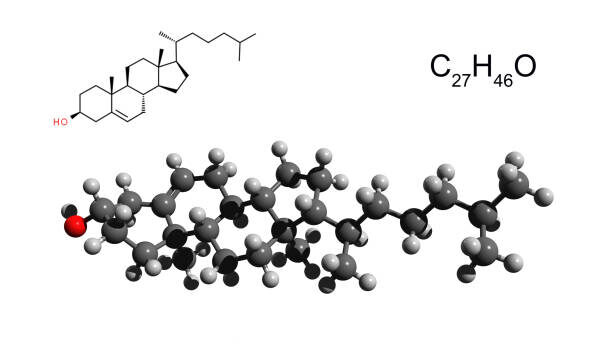
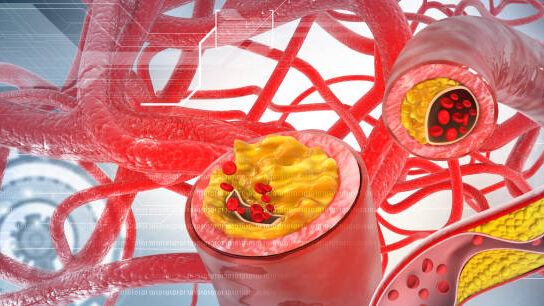
The mirror tells a comforting story but doesn’t about Cholesterol.
A healthy weight usually feels like proof that everything is fine. Clothes fit. Energy holds steady through the day. The body looks the way a healthy body is supposed to look.
Then a routine blood test comes back and throws all of that into question.
The cholesterol numbers are higher than expected, and suddenly a lean frame doesn’t feel like the whole picture anymore. This catches people off guard more often than most would guess. Cholesterol doesn’t care what the scale says. It responds to genetics, daily habits, hormones, stress, and changes happening quietly inside the bloodstream, long before any of it shows up in a mirror.
A healthy weight still matters, and it always will. But it’s only one piece of the puzzle. The real story is happening beneath the surface, and these eight reasons explain why someone can look fit, feel fine, and still be carrying cholesterol numbers that don’t match the picture.
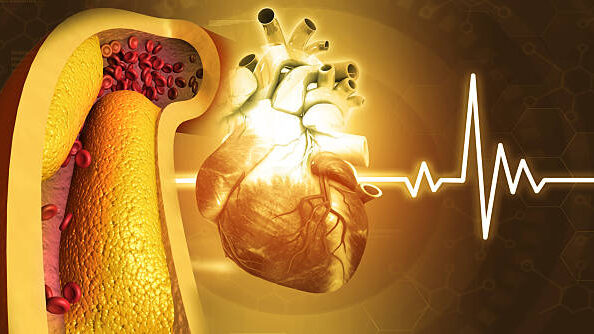
Skinny But at Risk , Slim Doesn’t Mean Healthy
1. A lean body can hide fat you can’t see
Being lean earns a lot of compliments. It also creates a false sense of security, because many people assume extra fat simply can’t exist under a slim frame. The body doesn’t always cooperate with that assumption.
Visceral fat sits deep in the abdomen, wrapped around organs instead of sitting under the skin where it would actually show. That makes it nearly impossible to spot just by looking. But it stays chemically active, releasing compounds that interfere with normal cholesterol balance. LDL creeps up. HDL can drift down. Triglycerides sometimes rise right along with them.
Some people carry very little visible fat and still store unhealthy amounts around the liver and intestines. Doctors sometimes describe this as “thin outside, fat inside.” A flat stomach is a good sign. It just isn’t the whole story.
2. Hormones shift the numbers quietly
The body runs on balance, and hormones are a big part of keeping that balance steady. When hormone levels change, cholesterol tends to follow, often without any warning at all.
Women often notice this after menopause, when falling estrogen lets LDL climb more easily while HDL slips down. Men go through something similar as testosterone declines and the body’s handling of fat starts to shift. The thyroid plays a role too. An under active thyroid slows down how efficiently the body clears cholesterol, and no amount of staying lean fully offsets that.
None of this shows up in the mirror. The body can look exactly the same while the blood work tells a completely different story, which is exactly why doctors look past the scale.
The thyroid plays a role as well. An under active thyroid can slow cholesterol clearance. Even a healthy weight cannot always overcome that effect.
3. Weight is only part of the picture
A healthy weight deserves credit, it just doesn’t explain everything. The scale measures pounds. It has nothing to say about what’s moving through the bloodstream, how much inflammation is present, or how well the body is actually processing fat.
Plenty of people stay lean through real effort and still end up with stubbornly high cholesterol. Others carry a few extra pounds and get excellent numbers back every time. The difference usually comes down to metabolism, genetics, and the quality of daily habits, factors that shape cholesterol long before the mirror has any clue.
This is why yearly blood work matters so much. It catches what looking healthy simply can’t.
4. The liver decides more than people think
The liver works around the clock and almost nobody thinks about it. It produces, processes, and clears cholesterol every day, deciding how much stays in circulation and where it goes.
When the liver is healthy, everything moves smoothly. Even mild problems throw that off. Fatty liver, insulin resistance, or years of heavy drinking can all reduce how efficiently the liver manages cholesterol, and a person can feel completely fine while it’s happening. Weight can stay normal the entire time.
The blood test is usually the first place any of this becomes visible.
5. Some conditions stay hidden for years
Not every health problem announces itself. Some build quietly for years without a single obvious symptom, reshaping cholesterol behind the scenes the whole time.
An underactive thyroid slows the clearance of LDL. Prediabetes and insulin resistance often push triglycerides up while pulling HDL down. Kidney disease and certain liver conditions disrupt cholesterol balance in their own ways too.
The unsettling part is how invisible all of this can be. Someone can exercise regularly, eat well, keep a healthy weight, and still feel completely fine, right up until routine blood work says otherwise.
6. Family history can override good habits
Some of this story starts before birth. Cholesterol is one of those things family genetics can shape early on, even in people who stay active and eat carefully their whole lives.
Some people inherit a liver that simply produces more LDL. Others inherit a harder time clearing cholesterol from the blood in the first place. Neither shows up in a mirror, and that’s exactly why two people can eat similar meals, exercise just as often, and still walk away with very different results.
A strong family history of high cholesterol or early heart disease is worth paying attention to. It often tells you more than your weight ever will. Good habits still help. They just can’t erase genetics completely.
7. Chronic stress changes the chemistry
Stress rarely stays in the head for long. Eventually the body joins in.
Cortisol rises to help handle short-term pressure, and that’s fine when it’s occasional. Constant stress is a different problem. When cortisol stays elevated, the liver tends to produce more cholesterol, insulin resistance creeps in, and LDL and triglycerides climb while HDL slides the other way.
Stress changes behavior too. Sleep gets lighter, fast food starts looking more appealing, and exercise quietly slips down the priority list. None of it depends on body weight. A lean person under constant stress can end up with the same cholesterol problems as anyone else, which is why managing stress is part of protecting the heart, not a side note.
8. What you eat matters more than what you weigh
Staying lean doesn’t guarantee a good diet. Plenty of naturally thin people eat plenty of saturated fat, added sugar, and processed food without the scale ever budging, even as cholesterol quietly climbs.
Food quality affects cholesterol more directly than most people expect. Fiber helps clear it out. Healthy fats support better balance. Processed food tends to push LDL and triglycerides up over time, regardless of what the scale says.
Small swaps add up. Fruit instead of sugary snacks. Oats instead of refined cereal. More beans, nuts, and vegetables in regular meals. None of it shows up on a scale, but the bloodstream notices every time.
conclusion
A healthy weight is worth celebrating. It just shouldn’t be treated as the only measure of good health. Cholesterol follows a deeper story, shaped by genetics, hormones, liver function, stress, and conditions that can stay hidden for years. None of that shows up in a mirror.
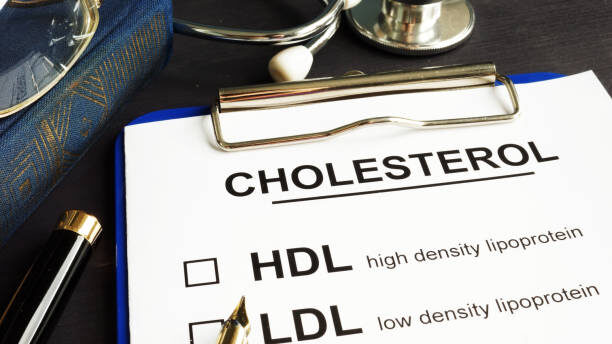
That’s the real case for routine cholesterol screening. It reveals what appearance never can, and a normal weight, while genuinely useful, still can’t promise healthy arteries on its own. Good food, regular movement, real sleep, manageable stress, and periodic blood work do that job together, and when they become part of everyday life, healthy cholesterol stops being luck and starts being the result of paying attention.