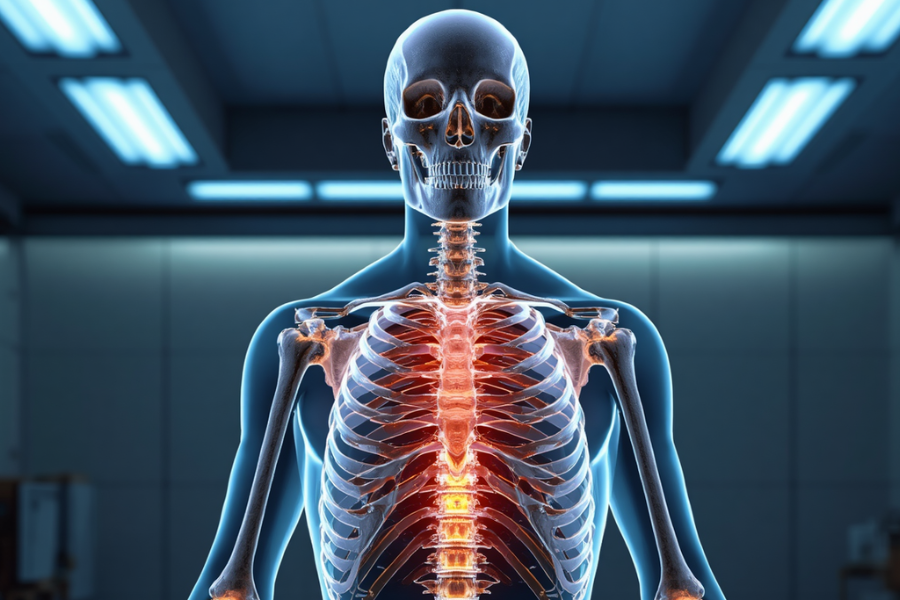
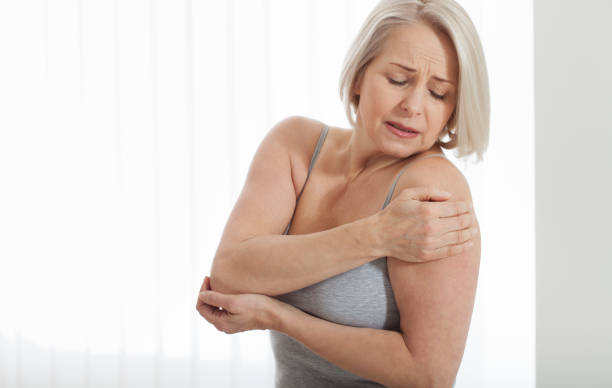
Bones have a way of staying quiet.
They grow strong through youth without asking for much attention. Then somewhere around midlife, they start changing behind the scenes. No pain. No warning. Nothing you’d notice in the mirror. Yet the skeleton can slowly lose density year after year.
For many women, menopause marks the turning point. As estrogen drops, the body starts breaking down bone faster than it can replace it. The process is gradual enough that it’s easy to ignore until a minor fall ends in a fracture no one saw coming. By the time that happens, the bone loss has often been building for years already.
The good part is that bone density isn’t entirely out of your hands. Good nutrition, regular strength work, timely screenings, and a few smart habits can protect the skeleton for decades to come.

Bone Density Facts for Women
1.Bone Loss Often Starts Before It’s Felt
Bone loss is quiet in a way most injuries aren’t. There’s no ache, no swelling, nothing that flags a problem early. A woman can lose real bone density and feel completely fine, which is part of why osteoporosis gets called the silent disease.
Bone is always renewing itself, old bone breaking down while new bone forms. In younger years that process stays balanced. After midlife, especially post-menopause, breakdown starts outpacing formation, and it happens slowly enough to go unnoticed for a long stretch.
Feeling strong and active doesn’t guarantee strong bones. Often the first sign is a wrist, hip, or spine fracture from a fall that wouldn’t have caused damage years earlier. Some women also notice they’ve gotten a little shorter or developed a slight stoop as weakened spinal bones compress under normal weight.
This is why early awareness matters so much. Bone loss may be invisible, but it isn’t unavoidable. Catching the risk early gives you a real head start on protecting bone strength before a fracture forces the issue.
2.Menopause Changes the Bone-Building Balance
Menopause affects more than monthly cycles. Estrogen plays a major role in protecting bone strength, and when it drops, the balance between building new bone and breaking down old bone shifts noticeably.
In the first several years after menopause, bone loss can move surprisingly fast, with the body clearing out old bone quicker than it rebuilds it. It’s a natural process, but it raises the risk of osteoporosis and fractures later on if nothing is done about it in the meantime.
Because bone loss doesn’t hurt, most women never notice it happening. They feel fine while the skeleton quietly thins out underneath. That’s exactly why menopause is worth treating as a signal to pay more attention to bone health rather than waiting for a problem to show up on its own.
A nutrient-rich diet, weight-bearing exercise, strength training, and enough vitamin D and calcium all help during this stretch. Understanding estrogen’s role gives women a chance to act early instead of playing catch-up later.
3.Strong Bones Need More Than Just Calcium
Calcium gets most of the credit for bone health, but it doesn’t work alone. Bones depend on a group of nutrients working together, and that teamwork matters even more after midlife, when bone density naturally starts dropping faster.
Vitamin D is calcium’s closest partner. Without enough of it, the body can’t absorb calcium well no matter how much you’re eating. Protein matters too, supplying the building blocks for bone tissue while helping preserve the muscle that supports and protects the skeleton.
Magnesium, vitamin K, phosphorus, and zinc all play supporting roles in bone remodeling. Skip one of them consistently and bone health can suffer even if everything else on the plate looks fine.
A balanced diet beats chasing a single supplement. Dairy, leafy greens, beans, nuts, seeds, fish, eggs, and lean protein cover most of these bases naturally without much extra effort. Bones aren’t built by calcium alone. They’re built by the whole nutritional picture working together.
4.A Bone Density Scan Can Reveal Hidden Risks
Looking healthy doesn’t mean your bones are. Density can drop for years without any pain or symptoms, which is exactly why a DEXA scan has become such a useful tool in midlife. It catches bone loss long before a fracture forces the issue into the open.
The scan itself is quick, painless, and uses very little radiation. In minutes it measures bone strength in the hips and spine and shows whether things look healthy, weakened, or into osteoporosis territory. That information helps a doctor estimate fracture risk and decide if lifestyle changes or treatment make sense going forward.
Catching it early changes everything. Instead of reacting to a broken bone, you get to act before real damage happens. Better nutrition, strength training, weight-bearing exercise, and the right medical care can all slow bone loss once you actually know where you stand.
5.Daily Movement Sends Bones a Powerful Message
Bones respond to movement. Every step, climb, lift, and stretch tells the skeleton it’s still needed. After midlife that signal matters more than ever, since a lack of activity gives bones fewer reasons to hold onto their density.
Weight-bearing exercise works especially well because it makes the body push against gravity. Walking, hiking, dancing, stair climbing, tennis, and strength training all put healthy stress on bone, and the body responds by preserving and building tissue in return. Stronger muscles also improve balance, which cuts the odds of a fall in the first place.
Consistency beats intensity here. A daily walk plus resistance work a few times a week adds up more than the occasional intense workout ever will. Staying active protects bone density, sure, but it also helps flexibility, posture, and confidence along the way. Movement keeps reminding the skeleton it still has a job to do.
6.Protecting Bone Density Helps Preserve Independence
Strong bones do more than prevent fractures. They keep women active and independent as the years go on. Every healthy choice made in midlife is really an investment in the freedom to keep walking, traveling, and living without unnecessary limits later.
A hip or spine fracture can change everything overnight. Recovery can take months, and some women never fully regain their old mobility. Protecting bone density isn’t just about avoiding osteoporosis. It’s about keeping the ability to live independently and keep doing the things that actually matter.
The encouraging part is that healthy habits genuinely help. Weight-bearing exercise, strength training, good nutrition, enough calcium and vitamin D, skipping cigarettes, cutting back on alcohol, and keeping up with screenings all work together to protect the skeleton over time.
Bones respond to how they’re treated. The choices made now shape strength later on. Protecting bone density today gives women the best shot at staying active and confidently independent for years ahead.
7.Everyday Habits Can Quietly Weaken the Skeleton
Bone health isn’t only about age and hormones. Everyday habits either strengthen the skeleton or slowly wear it down, and the tricky part is that the damage tends to happen quietly. Years can pass before the effects show, which makes unhealthy routines feel harmless when they’re really not.
Smoking is one of the biggest threats to bone health. It cuts blood flow, interferes with bone-building cells, and limits how well the body absorbs calcium in the first place. Heavy drinking adds its own problems by disrupting bone remodeling and raising the risk of falls and fractures. A sedentary lifestyle piles on further, since bones that are rarely challenged gradually weaken without anyone noticing.
These habits tend to stack, speeding up bone loss without any immediate symptoms to warn you. The flip side is also true. Quitting smoking, cutting back on alcohol, and staying active all help the body hold onto bone density it already has. None of these choices look dramatic day to day, but they add up to a real difference over the years that follow.
Conclusion
Bone density isn’t something to think about only after a fracture happens. By then the skeleton has usually been changing for years already. Midlife is the window to protect bone strength before small losses turn into bigger problems, and the earlier those changes are caught, the more options stay on the table.
Menopause, nutrition, daily movement, lifestyle habits, and regular screenings all shape how strong the skeleton stays. None of them work in isolation from each other. Together they decide how well bones hold up through the decades, and even small improvements in daily habits pay off well over time.
Strong bones aren’t a matter of luck. They come from consistent choices made day after day. A balanced diet, weight-bearing exercise, strength training, staying away from tobacco, cutting back on alcohol, and staying on top of bone health all help preserve mobility and confidence. Protecting bone density now is really an investment in staying active and independent for many years to come.