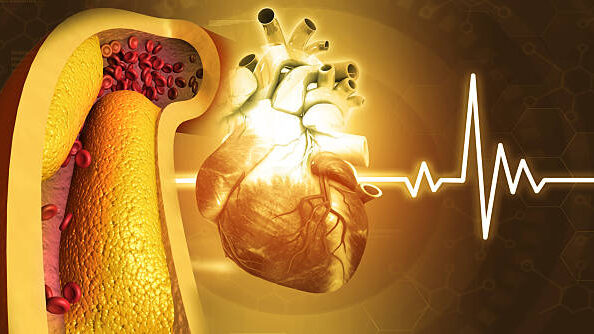
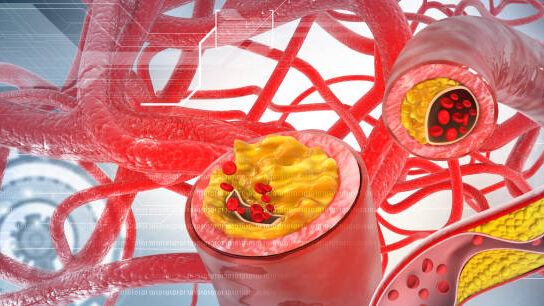
Cholesterol gets blamed a lot when heart health comes up, but the real story is more complicated. The body actually needs cholesterol to build cells and produce important hormones. Trouble starts when everyday habits slowly push cholesterol levels in the wrong direction. Many of those habits look harmless at first, yet they can quietly raise the risk of heart disease over time.
After 40, these daily choices matter even more. Physical activity often drops off, sleep gets less consistent, and convenient processed foods replace healthier meals. Together, these shifts can raise LDL cholesterol, lower protective HDL cholesterol, and put extra strain on the heart and blood vessels.
The good news is that improving cholesterol doesn’t usually take dramatic overnight changes. Small adjustments made consistently add up. Knowing the everyday mistakes that affect it is the first step toward smarter choices that support a healthier heart, better circulation, and long-term well-being.
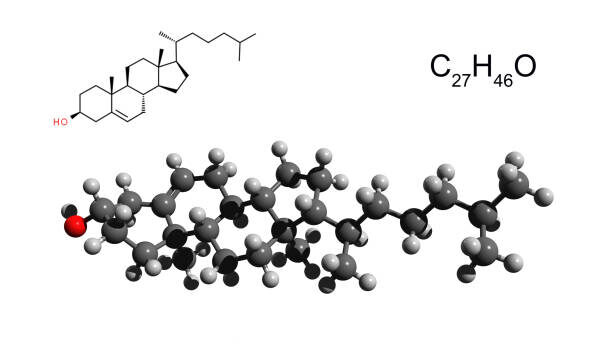
Mistakes That Affect Cholesterol
1. Too Many Processed Foods Replace Heart-Healthy Choices
Processed foods have become part of daily routines because they’re convenient, cheap, and quick to prepare. Unfortunately, a lot of these products pack in saturated fats, unhealthy oils, added sugars, and excess sodium. Over time, those ingredients can throw off the body’s balance and raise the risk of heart disease.

Eating processed meats, fried foods, packaged snacks, pastries, and fast food on a regular basis tends to raise LDL, often called “bad” cholesterol, while making it harder for the body to keep HDL, or “good” cholesterol, where it should be. This combination lets more of it build up inside blood vessels, cutting into healthy blood flow and straining the heart.
Swapping processed foods for fresh, whole-food options makes a real difference. Fruits, vegetables, whole grains, beans, nuts, seeds, fish, and lean proteins bring nutrients that support healthier cholesterol levels. Small changes at each meal often turn into habits that protect heart health for years.
2. Smoking and Excess Alcohol Undermine Cholesterol Control
Smoking and heavy drinking affect a lot more than the lungs and liver. They also put real stress on the heart, blood vessels, and overall lipid balance. Over time, these habits make it harder for the body to defend itself against fatty buildup inside the arteries.
Smoking damages the lining of blood vessels, which makes it easier for LDL to stick to artery walls and form plaque. It can also lower HDL, the kind that helps clear excess from the bloodstream. Heavy alcohol use adds another layer by raising triglycerides and contributing to weight gain, both of which push cardiovascular risk higher.
The good part is that positive change starts fast. Quitting smoking and cutting back on alcohol can improve blood vessel function and support healthier levels over time. Paired with regular exercise and a heart-healthy diet, these choices lower the risk of heart attack, stroke, and other long-term cardiovascular problems.
3. Sitting for Most of the Day Slows Healthy Cholesterol Changes
Modern life makes it easy to spend hours sitting at a desk, driving, or parked in front of a screen. It feels harmless enough, but too much sitting can quietly affect it and overall heart health. After 40, inactivity matters even more because metabolism naturally starts to slow.
Regular movement helps raise HDL, the type that carries excess away from the arteries and back to the liver for removal. When daily activity is limited, HDL can decline while LDL and triglycerides get harder to manage. Over time, that imbalance raises the risk of plaque building up inside blood vessels.
You don’t need hours at the gym to fix this. A brisk walk, cycling, swimming, gardening, or even standing up and moving for a few minutes every hour can make a real difference. Consistent activity supports healthier levels, improves circulation, and keeps the heart strong for years.
4. Chronic Stress Keeps the Body Out of Balance
Stress is part of life, but when it never lets up, it affects more than emotional well-being. Long-term stress keeps the body pumping out hormones like cortisol and adrenaline, which influence metabolism, blood pressure, and how fats get processed. Over time, that can make it harder to keep lipid levels healthy and support a strong heart.
Chronic stress also feeds habits that raise cardiovascular risk indirectly. Many people move less, sleep worse, overeat comfort foods, or smoke and drink more during stressful stretches. These behaviors can raise LDL levels while making healthy HDL harder to hold onto.
Managing stress protects heart health. Regular activity, deep breathing, meditation, quality sleep, and time with family or friends all help calm the nervous system. Cutting everyday stress doesn’t just improve mood, it also builds a healthier setting for balanced levels and long-term cardiovascular health.
5. Sleep Becomes the First Healthy Habit to Slip
Busy schedules, stress, and late-night screen time often make sleep the first healthy habit to go. Losing a few hours of rest might not seem like a big deal, but poor sleep can quietly interfere with the body’s ability to regulate lipid levels and protect heart health. After 40, consistent, good sleep matters even more since the body recovers more slowly from daily stress.
During restful sleep, the body handles a lot of processes tied to metabolism, hormones, and how fats move through the bloodstream. Regular sleep deprivation can push LDL up, pull HDL down, and raise triglycerides. It also raises the odds of weight gain, high blood pressure, and insulin resistance, all of which strain the cardiovascular system further.
Building a steady sleep routine helps. Going to bed at the same time each night, cutting caffeine late in the day, limiting screens before bedtime, and keeping the bedroom quiet and comfortable all support better sleep and healthier lipid regulation.
6. Routine Cholesterol Screenings Keep Getting Delayed
High cholesterol rarely causes noticeable symptoms. A person can feel completely fine while cholesterol slowly builds up inside the arteries. Because of that, a lot of adults put off routine cholesterol screenings, figuring there’s nothing to worry about. Unfortunately, waiting until symptoms show up often means heart disease has already started developing.
Regular blood tests are one of the simplest ways to catch cholesterol problems early. A lipid panel measures LDL, HDL, total cholesterol, and triglycerides, giving healthcare professionals a clear picture of cardiovascular risk. Catching it early lets lifestyle changes or treatment start before real damage sets in.
Screenings matter even more after 40 or with a family history of heart disease, diabetes, high blood pressure, or obesity. Knowing your cholesterol numbers makes it easier to act at the right time. Paired with healthy eating, regular exercise, and other heart-smart habits, routine testing is a powerful tool for protecting long-term cardiovascular health.
7. Fiber-Rich Foods Quietly Disappear From Daily Meals
Fiber is one of the most effective nutrients for supporting healthy cholesterol, yet a lot of adults eat far less than they need. As busy schedules push more processed and convenience foods onto the plate, fiber-rich choices like fruits, vegetables, beans, oats, and whole grains quietly disappear from daily meals. That shift can have a real effect on cholesterol and heart health over time.
Soluble fiber matters especially because it binds to it in the digestive system and helps remove it from the body before it enters the bloodstream. As a result, it can help lower LDL while supporting healthier blood vessels. Fiber also promotes fullness, improves blood sugar control, and supports digestion, offering benefits that go well beyond cholesterol.
Adding more fiber doesn’t require overhauling your diet. Starting the day with oatmeal, choosing whole-grain bread, eating more legumes, and adding fruits and vegetables to every meal are simple habits that add up. Small daily choices often lead to healthier cholesterol and a stronger heart.
8. Healthy Fats Are Replaced With the Wrong Ones
Not all fats affect the body the same way. A lot of people still think every kind of fat should be avoided, but the real issue is choosing the wrong kinds. Diets high in saturated and trans fats can raise LDL, while swapping in healthier fats supports better cardiovascular health.
Unhealthy fats show up in fried foods, processed snacks, pastries, fatty cuts of red meat, and many packaged baked goods. Eating these regularly can contribute to plaque buildup inside the arteries and raise the risk of heart attack and stroke. On the flip side, healthier fats from salmon, sardines, avocados, nuts, seeds, and olive oil support heart function and can improve cholesterol balance.
The goal isn’t cutting fat out entirely, it’s choosing better sources. Simple swaps like cooking with olive oil instead of butter or snacking on nuts instead of chips can have a lasting impact. Healthier fats nourish the heart while helping keep cholesterol balanced for the long term.
Conclusion
Healthy cholesterol comes down to everyday habits more than occasional choices. Eating too many processed foods, sitting for long stretches, living with chronic stress, sleeping poorly, delaying screenings, skipping fiber-rich foods, smoking, and drinking too much alcohol can all quietly push cholesterol in the wrong direction. Because these changes often happen without symptoms, a lot of people don’t realize the risk until heart disease has already begun.
The encouraging part is that small improvements add up to meaningful results over time. Choosing whole foods, staying active, managing stress, sleeping well, eating more soluble fiber, avoiding tobacco, limiting alcohol, and keeping up with routine checks all support a healthier heart and healthier blood vessels.
Protecting cholesterol health isn’t about being perfect every day. It’s about making consistent choices that help the body work the way it’s meant to. Those daily habits can lower the risk of heart disease, improve overall well-being, and support a healthier future for years to come.