The thyroid is small, but it runs a lot of the show in your body. It controls your metabolism, your energy, your heart rate, your body temperature, and more. When it makes too much hormone or too little, you feel it almost everywhere.
Most people connect thyroid dysfunction with autoimmune disease or certain medications. Fair enough, those matter. But there’s a longer list of quieter factors that can push your thyroid off balance too, things like stress, nutrient gaps, iodine levels, big weight swings, and family history.
None of this means thyroid dysfunction is inevitable. It just means your thyroid depends on more than people usually assume. Knowing the less obvious risks can help you catch a problem early and have a better conversation with your doctor.

Hidden Risk Factors
1. Too Little or Too Much Iodine Causes Problems
Your thyroid only needs iodine in tiny amounts, but it can’t make hormones without it. Too little iodine limits hormone production. Too much can also throw thyroid function off in certain people, which surprises a lot of people who assume more is always safer.
Most adults get enough iodine from a normal diet, iodized salt, seafood, dairy, and eggs. Problems tend to show up when someone follows a very restrictive diet, avoids iodized salt entirely, or takes iodine supplements they don’t actually need.
More iodine isn’t automatically better. Large doses from supplements can trigger thyroid dysfunction, especially in people who already have an underlying thyroid issue. This is exactly why self-treating with iodine supplements can backfire. A doctor can check your diet, symptoms, and bloodwork before recommending more iodine. Your thyroid needs balance here, not a constant extra supply.
2. Nutrient Gaps Affect Hormone Production
Your thyroid needs iron, selenium, and zinc to make and use hormones properly. Iron plays a role in hormone production. Selenium supports the enzymes that regulate thyroid hormones and protect thyroid tissue. Zinc helps with several parts of that same process.
But more isn’t automatically better here either. High-dose supplements taken without an actual deficiency can cause their own problems. Too much selenium can be harmful. Too much zinc can block absorption of other minerals your body needs.
A varied diet usually covers this. Eggs, seafood, dairy, beans, meat, nuts, seeds, and vegetables provide most of what your thyroid needs. Don’t assume every bout of fatigue or weight change is a nutrient deficiency either. A simple blood test can tell you what’s actually going on instead of guessing and popping supplements.
3. Long-Term Stress Disrupts Thyroid Regulation
Stress does more than mess with your mood. Ongoing stress changes how your body handles cortisol and other hormones, and those changes can interact with the systems regulating your thyroid, especially during long stretches of physical or emotional strain.
Stress alone doesn’t cause thyroid disease. But chronic stress affects your sleep, appetite, energy, and immune system, all of which shape your broader hormonal environment. Poor sleep piles on top of that by disrupting the daily rhythms your body relies on.
If you already have a thyroid condition, stress can make symptoms like fatigue or appetite changes feel a lot worse, even if stress isn’t the actual cause. Managing stress matters for your overall health, but it’s not a substitute for real thyroid testing. Sleep, movement, balanced meals, and some downtime all help your body regulate stress better.
4. Autoimmune Conditions Put the Thyroid at Risk
Sometimes your immune system turns on healthy tissue by mistake, and the thyroid is a common target. Two major conditions come from this: Hashimoto’s disease and Graves’ disease.
Hashimoto’s gradually damages thyroid tissue and lowers hormone production, usually leading to an underactive thyroid.Treated with thyroid hormone replacement medication like Levothyroxine.
Graves’ disease works the opposite way. Antibodies push the thyroid into overdrive, causing an overactive thyroid instead.
Both conditions tend to develop slowly. Symptoms show up as changes in energy, weight, temperature sensitivity, heart rate, or mood, and they overlap with so many other health issues that it’s genuinely hard to pin down the cause from symptoms alone.
Family history raises your risk, and having one autoimmune condition makes a second one more likely too. Thyroid dysfunction isn’t always about diet or lifestyle. Sometimes your immune system is the real story, and blood or antibody testing is the only way to know for sure.
5. Certain Medications Interfere With Thyroid Function
Some medications mess with your thyroid even when you’re taking them for a completely different problem. They can change hormone production, affect how your body processes those hormones, or throw off the accuracy of thyroid blood tests.
Amiodarone is a good example. It contains a lot of iodine and can push some people toward an underactive or overactive thyroid.
Lithium interferes with hormone production too and has been tied to hypothyroidism. Certain cancer treatments and immune-modifying drugs can affect thyroid function as well.
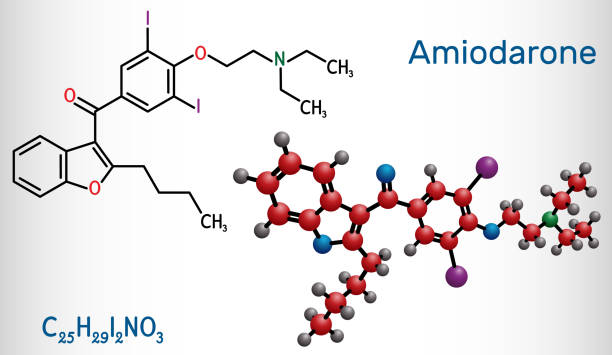
None of this means you should stop taking these medications on your own. Most are essential, and the benefits usually outweigh the thyroid risk. It just means you might need extra monitoring. Also mention any supplements to your doctor, biotin especially, since it’s common in hair and nail supplements and can throw off thyroid test results without you knowing.
6. Big Weight Changes Alter Thyroid Signals
The link between body weight and thyroid function is messier than people think. It’s not as simple as blaming your thyroid for every pound gained or lost. Significant weight loss or long-term calorie restriction can actually shift thyroid hormone levels as your body adapts to less fuel.
During calorie restriction, your body can lower certain thyroid-related signals to conserve energy. That’s an adaptation, not necessarily thyroid dysfunction. Major weight gain can happen alongside an underactive thyroid too, but weight change by itself doesn’t confirm anything. Diet, activity, sleep, medications, and stress all play a role in your weight.
Fast or unexplained weight changes deserve a closer look, especially alongside fatigue, unusual cold or heat sensitivity, or a noticeable change in heart rate. A blood test clarifies this far better than guessing based on the scale.
7. Pregnancy and Hormonal Shifts Change Thyroid Demands
Big hormonal shifts put new demands on your thyroid, and pregnancy is the clearest example. Your body needs more thyroid hormone during pregnancy to support both you and your baby, and changes in iodine needs and thyroid-binding proteins shift how those hormones are used.
This is often when a hidden thyroid problem surfaces for the first time. Women with existing thyroid conditions usually need closer monitoring and medication adjustments during pregnancy.
The changes don’t stop after birth either. Some women develop postpartum thyroiditis, an inflammation that causes an overactive phase followed by an underactive one. The symptoms, fatigue, mood swings, weight changes, sleep trouble, are easy to write off as normal new-parent exhaustion. If you have a thyroid condition and you’re pregnant or planning to be, talk to your doctor early so your levels can be tracked and managed properly.
Conclusion
Thyroid dysfunction rarely has one obvious cause. Nutrient gaps, iodine imbalance, certain medications, autoimmune conditions, chronic stress, and major hormonal shifts can all quietly push your thyroid off track, and weight changes complicate the picture even further since your thyroid and your weight actually influence each other in both directions.
The reassuring part is that a simple blood test and a real conversation with your doctor can catch most of this. Don’t blame every tired day or mood swing on your thyroid, but don’t ignore changes that stick around either. Your thyroid is small, but its effects reach into nearly everything you do, and catching the quieter risk factors early is what keeps a minor issue from turning into a bigger one.