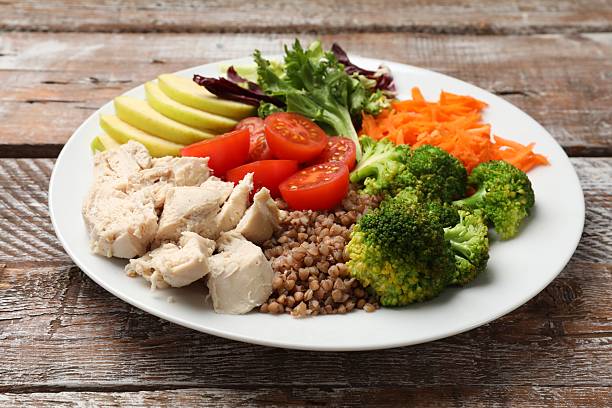
Your foods and diet choices matter more as your body changes with age. Muscle naturally declines a bit, recovery takes longer than it used to, and your energy doesn’t always feel as steady as it once did.
None of that means your meals need to get complicated. A handful of nutrient-rich foods cover most of what your body needs, protein, fiber, healthy fats, vitamins, and minerals that support everyday strength and overall health.
The best options aren’t expensive or exotic either. Eggs, fish, beans, berries, leafy greens, nuts, seeds, and yogurt all fit easily into ordinary meals you’re probably already making. None of these foods magically slow aging or promise you a longer life. They just give your body what it needs to keep your muscles, bones, heart, and brain running well.
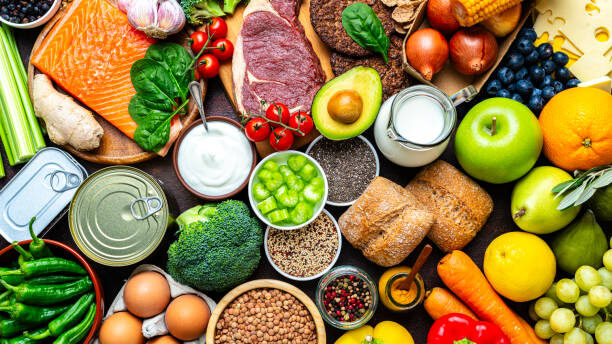
strength and longevity
1. Eggs Give You Protein for Everyday Strength
Eggs are simple, and they punch above their weight. They’re packed with high-quality protein, giving your body the amino acids it needs to build and maintain muscle. That matters a lot more in midlife, when holding onto muscle supports your strength, balance, and independence day to day.
Beyond protein, eggs bring vitamin B12, choline, selenium, and riboflavin to the table. Choline supports your brain and nervous system, while selenium plays a role in normal thyroid and immune function.
Protein also keeps you full longer. Add eggs to breakfast and you’re less likely to be raiding the pantry an hour later. Pair them with vegetables and whole grains and you’ve got a genuinely balanced meal. You don’t need eggs every single day for them to help. They’re just one easy, practical way to work more protein into your foods and diet overall.
2. Fatty Fish Delivers Protein and Healthy Fats
Fatty fish gives you two big wins on one plate, high-quality protein and omega-3 fatty acids. Salmon, sardines, trout, mackerel, and herring are your best bets here.
Protein helps maintain muscle, which becomes a bigger priority the older you get, especially when you pair it with regular strength training. The omega-3 fats in fish, specifically EPA and DHA, support your heart health too. Swapping fish in for foods higher in saturated fat is a genuinely useful move.
Fish brings Extra nutrients depending on the variety, vitamin D, vitamin B12, selenium, and more.You don’t need it every day. A couple of servings a week fits comfortably into most people’s foods and diet routine, and mixing up the varieties adds even more nutritional range.
3. Greek Yogurt Supports Muscle and Bone Health
Greek yogurt is an easy win for protein and calcium in one bowl. Its thicker texture comes from straining out some of the liquid whey, which concentrates the protein compared to regular yogurt.
That protein matters for holding onto muscle, especially since muscle mass gets harder to maintain with age. Pair it with regular resistance training and you’re covering two bases at once. Calcium adds another layer, helping keep your bones strong and supporting normal muscle and nerve function.
Go for plain or lightly sweetened yogurt to keep added sugar down. Toss in fresh berries, sliced fruit, or a handful of nuts for flavor, fiber, and healthy fat, without turning your snack into dessert. It’s not a magic food, just a convenient one that makes a real difference in your foods and diet when you eat it regularly.
4. Beans and Lentils Bring Fiber and Plant Protein
Beans and lentils don’t get much hype, but they deserve more credit. They deliver plant-based protein, fiber, complex carbs, iron, folate, magnesium, and potassium, all in one humble scoop.
That protein and fiber combo keeps meals satisfying longer. Fiber also supports your digestion and helps your gut stay healthier overall. Because beans and lentils digest slower than a lot of refined carbs, they help keep your energy steadier through the day instead of spiking and crashing.
They’re genuinely easy to add in too. Lentils work great in soups and salads. Black beans, chickpeas, and kidney beans slide right into bowls, wraps, and everyday home cooking. If you’re not used to eating much fiber, just build up your portions gradually so your gut adjusts comfortably. Not glamorous, but beans and lentils earn their spot in any solid foods and diet plan.
5. Leafy Greens Supply What Your Aging Body Needs
Leafy greens look plain, but they’re doing a lot of work per serving. Spinach, kale, collard greens, and Swiss chard bring vitamins, minerals, fiber, and protective plant compounds that genuinely support your body as it ages.
Many greens are rich in vitamin K, which plays a real role in bone health. They also supply folate, vitamin C, magnesium, and potassium, all involved in energy, muscle function, and general health. The fiber content helps your digestion and can even support better blood sugar and cholesterol numbers.
You don’t need a complicated meal plan to eat more greens. Toss a handful of spinach into eggs or a smoothie. Add kale to a salad. Serve cooked greens next to beans or fish at dinner. If you’re on blood thinners like warfarin, keep your vitamin K intake consistent and talk to your doctor before making big changes. Leafy greens aren’t a miracle cure, just a genuinely useful piece of a solid foods and diet routine.
6. Berries Pack Antioxidants Into a Small Serving
Berries are tiny, but they carry a lot of useful compounds. Blueberries, strawberries, raspberries, and blackberries bring fiber, vitamin C, and colorful polyphenols to your plate.
These compounds help your body deal with oxidative stress, while the fiber supports digestion and a healthier gut. Berries also fit naturally into a heart-conscious diet since they add real sweetness without needing added sugar.
The brain health angle is especially interesting. Some research links regular berry intake to better cognitive health, though no single fruit prevents memory issues on its own. Fresh or frozen, berries work equally well mixed into yogurt, stirred into oatmeal, or eaten alongside a handful of nuts. Variety matters most here, different fruits bring different nutrients, so rotate berries in alongside other colorful produce rather than relying on just one.
7. Nuts and Seeds Add Healthy Fats and Minerals
Nuts and seeds are small but mighty. Almonds, walnuts, pistachios, chia seeds, flaxseeds, and pumpkin seeds bring healthy fats, plant protein, fiber, and magnesium to whatever you’re eating.
That mix of protein, fat, and fiber keeps meals satisfying, which helps if you’re trying to cut back on processed snacks. Nuts and seeds also support heart health when they replace foods higher in saturated fat. Walnuts and flaxseeds specifically offer plant-based omega-3s, while most nuts bring unsaturated fats that fit well into a heart-conscious diet.
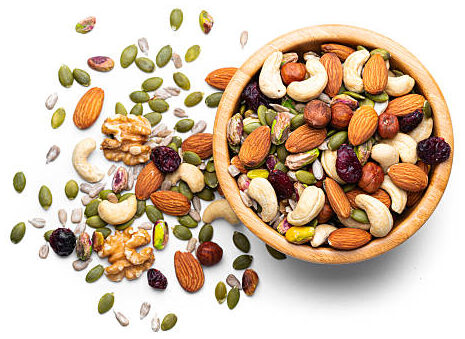
Watch your portions though. These foods are calorie-dense, so a small handful goes a long way. Add them to oatmeal, yogurt, or salads for an easy nutrition boost.
Stick with unsalted or lightly salted versions without added sugar, and obviously skip them entirely if you’re dealing with a nut allergy.
Simple additions like these round out a foods and diet approach built for real, lasting strength.
Conclusion
Strength, energy, and healthy aging come from everyday choices, not one miracle food. Eggs bring quality protein, fatty fish combines protein with omega-3s, and Greek yogurt covers both muscle and bone health. Beans and lentils add fiber and plant protein, leafy greens deliver a wide range of vitamins and protective compounds, and berries and nuts round things out with antioxidants, healthy fats, and essential minerals.
The real lesson here is variety. No single food covers everything your body needs, but combining these foods and diet staples with regular movement, decent sleep, and other healthy habits builds a genuinely strong foundation. Good food won’t stop aging, but it helps your body handle it a lot better, and small, consistent choices add up to stronger muscles, steadier energy, and a better shot at staying active for years to come.