The thyroid is small enough to sit in the palm of your hand, yet it touches nearly everything your body does. This butterfly-shaped gland manages your metabolism, energy, body temperature, and heart rate all at once, and when something throws it off balance, the fallout often gets mistaken for stress, aging, or simply being busy.
Thyroid dysfunction develops for more reasons than most people realize. Autoimmune disease gets most of the attention, but medications, iodine imbalance, inflammation, nodules, past radiation, surgery, and even pituitary issues can all play a role. Pregnancy and genetics add their own layers to the story.
Understanding these causes makes thyroid dysfunction far easier to recognize and discuss with your doctor. The goal isn’t self-diagnosis, it’s knowing the bigger picture and which changes actually warrant a closer look.

Thyroid Dysfunction
1. Autoimmune Disease Turns the Immune System Against Itself
Sometimes thyroid dysfunction starts with your own immune system. Instead of protecting healthy tissue, immune cells mistakenly attack the thyroid and interfere with how it normally functions.
Hashimoto’s disease is the most common culprit. Your immune system gradually damages thyroid tissue, cutting hormone production and often leading to hypothyroidism. Fatigue, feeling unusually cold, constipation, and weight changes tend to show up, though symptoms vary widely from person to person.
Graves’ disease works in the opposite direction. Antibodies push the thyroid into overdrive, causing it to produce too much hormone. This leads to hyperthyroidism, with a racing heartbeat, sweating, shakiness, and unexplained weight loss as common signs.
Autoimmune thyroid dysfunction can build slowly or show up more suddenly. Family history raises your risk, but you don’t need a family history to develop it. Blood tests measuring thyroid hormones and, when needed, thyroid antibodies help pin down whether autoimmune activity is the cause. The key takeaway is that thyroid dysfunction isn’t always about diet or lifestyle choices. Sometimes your own immune system is quietly rewriting how your thyroid works.
2. Thyroid Nodules Can Quietly Shift Hormone Activity
Thyroid nodules are small lumps that form inside the gland, and they’re common, most of them harmless. Finding one doesn’t automatically mean cancer or a serious hormone problem.
Some nodules, though, produce thyroid hormone entirely on their own. These “hot” nodules can push hormone levels too high, triggering hyperthyroidism symptoms like a fast heartbeat, shakiness, or trouble sleeping. Other nodules don’t produce any extra hormone at all, someone can have completely normal levels and still need the nodule evaluated based on its size and appearance.
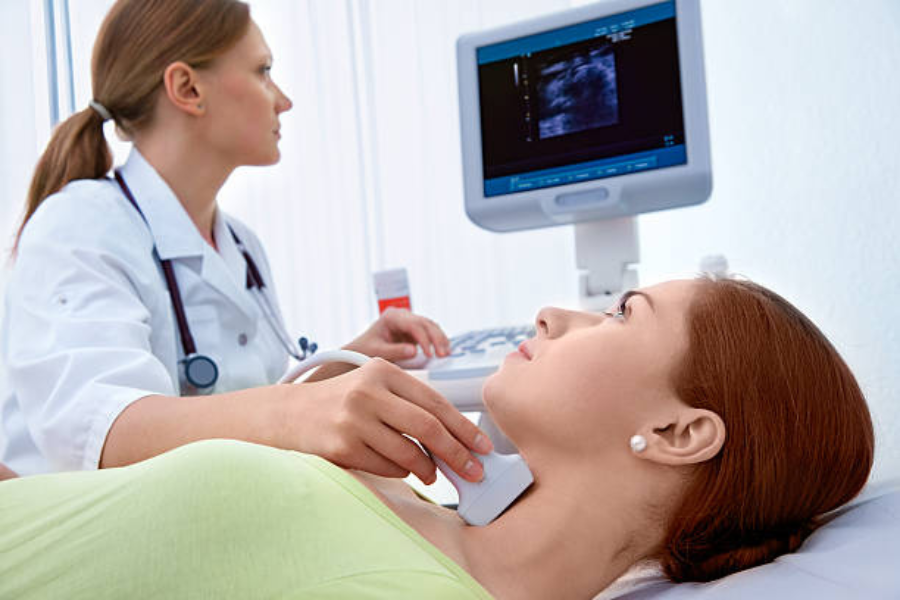
Doctors typically use blood tests, a thyroid ultrasound, and sometimes a specialized scan to check a nodule. A fine-needle biopsy may follow for certain ones to rule out abnormal cells. Most nodules never cause noticeable symptoms, plenty get discovered by accident during an exam or imaging done for something else entirely. The lesson here is simple: never judge a thyroid lump by touch alone. Proper evaluation is the only way to know whether it’s harmless, driving thyroid dysfunction, or something worth monitoring closely.
3. Pregnancy Reshapes the Thyroid’s Hormonal Workload
Pregnancy asks a lot more from your thyroid than usual. Your body needs extra thyroid hormone during this time, while shifts in estrogen, blood volume, and iodine needs all change how your thyroid actually functions.
For some women, pregnancy is the first time an underlying thyroid problem becomes visible. An underactive thyroid can develop or worsen, and existing autoimmune conditions sometimes shift during this period too.

The postpartum stretch brings its own twist. Some women develop postpartum thyroiditis, an inflammation that causes a temporary overactive phase followed by an underactive one. The symptoms, fatigue, mood swings, sleep trouble, weight changes, are easy to write off as normal new-parent exhaustion instead of thyroid dysfunction.
Women with an existing thyroid condition often need thyroid blood tests and medication adjustments throughout pregnancy, and anyone planning pregnancy with a known thyroid issue should loop in their doctor early. Pregnancy doesn’t cause every thyroid disorder, but it absolutely can expose one or intensify an existing one. The thyroid may be tiny, but during pregnancy, its workload gets considerably bigger.
4. Thyroid Surgery Can Lower Hormone Output
Thyroid surgery sometimes leaves less tissue behind to actually produce hormones, and the effect depends heavily on how much of the gland gets removed and why.
A total thyroidectomy removes the entire gland. At that point, your body simply can’t make enough thyroid hormone on its own, so lifelong hormone replacement becomes necessary. Partial surgery works differently, if enough healthy tissue remains, it may keep producing what your body needs. Some people still develop hypothyroidism later and need medication down the line.
Doctors recommend surgery for a range of reasons, certain thyroid cancers, large goiters, suspicious nodules, or conditions that just aren’t responding to other treatment. After surgery, thyroid blood tests determine whether hormone replacement is necessary and whether the dose is right. Persistent fatigue, feeling cold, or unexplained weight changes shouldn’t just get chalked up to recovery or age.
Having thyroid surgery doesn’t guarantee you’ll feel unwell afterward. With proper monitoring and hormone replacement when needed, most people go on to maintain normal levels and live completely active lives.
5. Certain Medications Quietly Interfere With Thyroid Function
Some medications affect your thyroid even when they’re prescribed for a completely unrelated condition. They can alter hormone production, change how hormones get processed, or throw off how thyroid tests read in the lab.
Amiodarone is a well-known example. Because it’s loaded with iodine, it can trigger either an underactive or overactive thyroid in people who are susceptible. Lithium interferes with hormone production too and has been linked to hypothyroidism. Certain cancer treatments and immune-modifying drugs can affect thyroid function as well, though the risk varies by medication and not everyone taking these drugs develops a problem.
None of this means stopping a prescribed medication on your own, many of these drugs offer benefits that outweigh the thyroid risk, and quitting without medical guidance can create serious complications. Regular thyroid testing is often recommended for anyone on medications known to affect the gland. It’s also worth mentioning supplements to your doctor, biotin especially, since high doses can throw off thyroid blood test results and create misleading numbers. Sometimes the real explanation for unexpected thyroid dysfunction is sitting quietly in the medicine cabinet.
6. Iodine Imbalance Disrupts Hormone Production
Your thyroid needs iodine to make its hormones, full stop. Without enough, the gland struggles to keep up, which can lead to an enlarged thyroid, called a goiter, or outright hypothyroidism.
Too much iodine creates a different kind of problem. A large iodine exposure can disrupt thyroid function in susceptible people and sometimes triggers either an underactive or overactive thyroid. Most adults get enough iodine through a normal diet, iodized salt, dairy, eggs, and seafood all contribute, though amounts vary by food.
Problems tend to show up when someone follows a highly restrictive diet, cuts out iodized salt without replacing that iodine elsewhere, or takes high-dose iodine supplements they don’t actually need. More iodine doesn’t equal a healthier thyroid, and that matters even more for people who already have thyroid disease, since supplementing without medical guidance can make thyroid dysfunction worse instead of better. Balance is the goal here, not maximum intake.
7. Thyroiditis Temporarily Throws Hormones Off Balance
Thyroiditis simply means inflammation of the thyroid gland, and unlike conditions that steadily shift function over years, some forms cause hormone levels to swing noticeably over just weeks.
The pattern often moves in two directions. An inflamed thyroid releases stored hormone into your bloodstream, creating a temporary hyperthyroid phase. Once those hormone stores run low, function typically drops, leading to a period of hypothyroidism instead.
Several types exist. Subacute thyroiditis can follow a viral infection and sometimes causes neck pain or tenderness. Painless and postpartum thyroiditis show up without much discomfort at all, and autoimmune activity plays a role in some cases too. Symptoms depend entirely on the stage, racing heartbeat and anxiety during the hyperthyroid phase, then fatigue and feeling cold as hormone levels fall. Doctors rely on blood tests along with your symptoms and history to track these shifts. Some cases resolve completely on their own, others need temporary or longer-term treatment. Thyroiditis is a solid reminder that thyroid dysfunction isn’t always permanent, sometimes it’s inflammation working its way through a cycle.
8. Previous Neck Radiation Leaves a Lasting Mark
Radiation treatment saves lives, but radiation aimed near the neck can affect the thyroid years down the line. The gland is unusually sensitive to radiation, and damage can gradually chip away at its ability to produce hormones.
Anyone who received radiation therapy for cancers involving the head, neck, or upper chest carries a higher risk of developing hypothyroidism later. That risk depends on the dose, the treatment area, and individual circumstances. The effects don’t always show up right away either, someone can feel completely fine for years before hormone levels start shifting, which makes the connection easy to miss unless your doctor knows about that earlier treatment.
Regular thyroid blood testing is often recommended for anyone with a history of significant neck radiation. Persistent tiredness, feeling unusually cold, or unexplained weight changes are worth flagging too. A history of radiation doesn’t guarantee thyroid disease down the road, it simply gives your doctor an important piece of the puzzle. Sometimes the explanation for thyroid dysfunction today traces back to a treatment from many years ago.
9. Pituitary Problems Disrupt the Signal Itself
Your thyroid never works alone. It takes its cues from the pituitary gland, a small structure at the base of your brain that releases thyroid-stimulating hormone, or TSH, telling your thyroid when to produce hormones.
When the pituitary isn’t functioning properly, that communication breaks down. This leads to central hypothyroidism, where the thyroid simply isn’t getting enough signal to do its job, even though the gland itself is perfectly capable. Pituitary problems can stem from tumors, surgery, radiation, head injuries, or other conditions affecting that area of the brain.
The symptoms often mimic ordinary hypothyroidism, fatigue, feeling cold, constipation, and weight changes, which makes the real cause easy to overlook. Blood tests remain useful, but central hypothyroidism sometimes needs a closer look at both free thyroid hormone levels and TSH together, since a normal-looking TSH doesn’t always rule out a pituitary cause. This is exactly why untangling thyroid dysfunction sometimes means looking past the thyroid entirely. The gland may work fine, it’s the message telling it to work that’s failing.
10. Inherited Conditions Raise Your Underlying Risk
Some thyroid problems genuinely run in families. Having a close relative with Hashimoto’s disease, Graves’ disease, or another thyroid disorder raises your own odds of developing something similar.
Genetics alone don’t decide the outcome though. Thyroid disease usually develops through a mix of inherited susceptibility and other triggers, particularly true for autoimmune thyroid conditions where the immune system mistakenly targets thyroid tissue. Family history becomes a genuinely useful clue during a medical evaluation, even without obvious symptoms yet, knowing several relatives have thyroid disease can prompt a doctor to recommend testing sooner rather than later.
Inherited conditions can also affect thyroid development or hormone production directly, though these cases are far less common, some show up in childhood, others get discovered later through unusual test results. A family history doesn’t guarantee thyroid dysfunction, it just means your underlying susceptibility runs a bit higher. Paying attention to these patterns matters most when unexplained fatigue, weight changes, or heart-rate shifts start appearing without a clear explanation.
Conclusion
Thyroid dysfunction rarely starts in one obvious place. Autoimmune disease, nodules, inflammation, iodine imbalance, medications, past radiation, and surgery can all set it in motion, while pregnancy and pituitary issues add their own layers to an already complicated picture. Genetics raises the stakes further for people with a strong family history of thyroid disease.
None of this means every symptom points straight to your thyroid, fatigue, weight changes, and mood shifts have plenty of other explanations too. What actually matters is paying attention to persistent or unusual changes and bringing them to a doctor instead of guessing. Blood tests, imaging, and sometimes antibody testing can uncover exactly what’s driving thyroid dysfunction, turning a vague, frustrating set of symptoms into a clear answer and a real path forward.