Your cardiovascular system is one of the body’s great transportation networks. Every second, it pushes blood through a vast web of vessels, delivering oxygen and nutrients to cells while hauling away carbon dioxide and waste.
At the center sits your heart, a muscular pump that genuinely never takes a day off. But the heart is only one piece, arteries carry blood away from it, veins bring blood back, and microscopic capillaries connect your bloodstream directly to individual tissues.
This system responds constantly too. Exercise makes muscles demand more oxygen. Stress shifts heart rate and vessel tone. Rest lowers the body’s immediate needs. Behind all of it runs an intricate combination of pressure, electrical signals, muscle contraction, and chemical control, working together to keep nearly every cell in your body supplied, balanced, and connected.
Astonishing Truths
1. Heart Is the Pump Driving the Entire System (Sinoatrial Node)
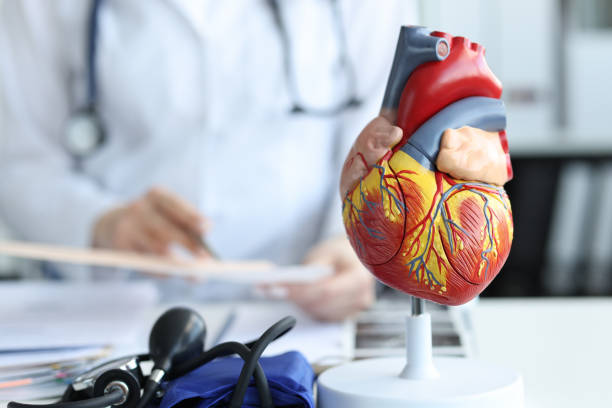
Your heart is the central engine of your cardiovascular system, contracting continuously to push blood through the lungs and then around your entire body.
Four chambers coordinate this movement. The right atrium receives returning blood, the right ventricle sends it toward the lungs, the left atrium receives oxygen-rich blood back from the lungs, and the left ventricle pushes it out into circulation. Four valves keep this flow one-directional, opening as blood moves forward and closing to block backward flow.
Your heartbeat itself runs on an electrical system. The sinoatrial node, your heart’s natural pacemaker, generates the signal that spreads through the atria, passes through the atrioventricular node, then activates the ventricles. That signal triggers contraction, atria first, filling the ventricles, then ventricles, pushing blood out.
The left ventricle handles the heaviest workload since it generates enough pressure to circulate blood through your entire body. Your heart is genuinely more than a simple pump, it’s a coordinated system of muscle, valves, and electrical timing firing thousands of times daily, without which your tissues couldn’t get the oxygen they need to survive.
2. Blood Travels Two Separate Circuits, Not One
Blood doesn’t make one continuous loop around your body. Your cardiovascular system actually runs two connected circuits, each handling a distinct job.
Pulmonary circulation comes first. Blood that’s delivered its oxygen returns to the right side of your heart, and the right ventricle pumps it toward your lungs. Inside, blood passes through tiny capillaries surrounding your air sacs, carbon dioxide moves out into exhaled air while oxygen moves in from each breath.
That freshly oxygenated blood returns to the left side of your heart, launching the second circuit. Systemic circulation carries oxygen-rich blood from the left ventricle into the aorta and progressively smaller arteries, eventually reaching capillaries throughout your tissues where oxygen and nutrients transfer into cells.
The pattern runs: heart, lungs, heart, body, heart. This separation matters enormously, the right side handles blood traveling to your lungs while the left handles blood traveling to your entire body. Every single heartbeat keeps this two-part circulation moving continuously.
3. Arteries and Veins Do Completely Different Jobs
Arteries and veins get treated like simple opposites, but their differences run much deeper than direction alone.
Arteries carry blood away from your heart under relatively high pressure, so their walls contain thick smooth muscle and elastic tissue that stretch with each heartbeat and recoil as your heart relaxes. Your aorta, the largest artery, receives oxygen-rich blood from the left ventricle and distributes it into progressively smaller arteries, eventually branching into arterioles that control how much blood reaches specific tissues.
Veins handle the return trip under much lower pressure, which is why their walls are thinner and less muscular than arterial walls. Many veins contain valves that open to let blood move toward your heart and close to block backward flow, and surrounding muscle contractions help push blood upward, especially in your legs.
There’s a notable exception here too, pulmonary arteries actually carry oxygen-poor blood toward the lungs, while pulmonary veins return oxygen-rich blood to the heart. Each vessel’s structure genuinely reflects its specific job in keeping blood moving forward.
4. Tiny Capillaries Are Where the Real Exchange Happens
Capillaries are the smallest vessels in your cardiovascular system, yet they handle one of its most critical jobs, connecting your bloodstream directly with the tissues depending on it.

Their walls run remarkably thin, often just one cell layer, allowing substances to move efficiently between blood and surrounding tissue. As oxygen-rich blood enters tissue capillaries, oxygen and nutrients like glucose transfer into nearby cells. The exchange runs in reverse too, cells constantly produce carbon dioxide through normal metabolism, and that waste moves into the blood, heading back toward the lungs for removal.
Other metabolic waste enters the bloodstream this way as well, traveling to organs like your kidneys and liver for processing. Capillaries aren’t simple pipes either, their enormous combined network creates a massive exchange surface spread throughout your entire body, and local chemical signals can widen nearby vessels when a tissue becomes more active, increasing delivery exactly where it’s needed.
Your heart doesn’t directly feed every cell, it creates pressure that moves blood through a branching network, while capillaries perform the actual handoff between blood and living tissue.
5. Blood Delivers Far More Than Just Oxygen
Oxygen gets most of the credit, but your blood is really the body’s full transportation network, carrying a remarkable range of substances between organs and cells constantly.
Nutrients absorbed from food travel through the bloodstream to tissues that need them, glucose fuels cells directly, amino acids provide material for building proteins, and fat molecules get transported for energy and cellular function. Blood also carries hormones, chemical messengers traveling from glands to distant organs, coordinating metabolism, growth, and your body’s stress response.
Your immune system relies on the bloodstream as its major highway too, white blood cells and antibodies circulate constantly, ready to reach wherever immune activity is needed. Heat moves through circulation as well, blood distributes heat produced by active tissue toward your skin, where excess heat can escape.
Then there’s waste removal, carbon dioxide and other metabolic byproducts travel through blood toward your lungs, kidneys, and liver for processing. Your cardiovascular system is constantly moving supplies, signals, immune defenses, heat, and waste, all at once, all the time.
6. Blood Pressure Is the Force Driving Circulation (Vascular Resistance)
Blood doesn’t move through your body simply because your heart beats, it moves because your heart creates pressure that drives blood through your entire vessel network.
Each ventricular contraction pushes blood into arteries, creating a pressure wave that travels through the arterial system, highest near the heart and gradually falling as blood reaches smaller vessels. Two major factors determine this pressure: cardiac output, how much blood your heart pumps per minute, and vascular resistance, how difficult it is for blood to actually move through your vessels.
Vessel diameter matters enormously here. When small arteries and arterioles constrict, resistance increases; when they widen, resistance falls and more blood passes through easily. Your nervous system, hormones, kidneys, and local chemical signals constantly adjust these factors together, during exercise, your heart pumps more while vessels supplying active muscles widen simultaneously.
Your kidneys play another crucial role too, regulating fluid and sodium levels that influence how much blood circulates and therefore affects pressure. A healthy cardiovascular system never holds one fixed pressure, it continuously adjusts blood flow to match your body’s shifting demands moment to moment.
7. Your Cardiovascular System Constantly Adjusts to Your Body’s Demands
Your cardiovascular system never runs at one fixed setting. It constantly changes heart rate, vessel diameter, and blood flow based on exactly what your body needs right now.
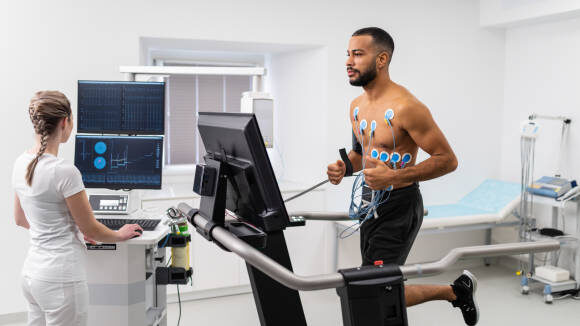
During exercise, working muscles suddenly demand more oxygen, so your heart beats faster and pumps more blood while vessels supplying those muscles widen to allow greater flow. During rest, demand for oxygen and energy drops, heart rate slows, and circulation settles into a lower-output state while still supplying every organ adequately.
Stress triggers its own rapid adjustment, your sympathetic nervous system increases heart rate and strengthens contractions, while certain vessels constrict to redirect blood toward organs and muscles needed for an immediate response. Temperature creates its own challenge too, vessels near your skin widen in heat to release excess warmth, and narrow in cold to conserve it.
Your autonomic nervous system coordinates most of this moment-to-moment regulation without any conscious effort at all, while hormones add another layer of control. This constant adjustment matters because different organs have wildly different demands at different moments, and your cardiovascular system measures and responds to all of it continuously.
8. Works Closely With Every Other Organ (Homeostasis)
Your cardiovascular system genuinely cannot work alone. Nearly every major organ depends on blood flow, while several organs actively help control what your cardiovascular system actually does.
Your lungs add oxygen to incoming blood and remove carbon dioxide, blood leaving the heart’s right side travels there, exchanges gases, and returns to the left side ready for distribution. Your kidneys control the chemical and fluid environment of that circulation, filtering blood, regulating sodium and water balance, and releasing hormones tied to blood pressure and red blood cell production.
Your brain constantly monitors the system through the autonomic nervous system, rapidly adjusting heart rate and vessel tone in response to exercise, stress, or shifting blood pressure. Your muscles create another major demand entirely, requiring substantially more oxygen during exercise, with blood flow redirected accordingly while your heart increases output to match.
Your cardiovascular system also maintains homeostasis, keeping internal conditions like temperature, oxygen levels, and fluid balance within ranges your cells can actually tolerate. This makes it less like a separate organ system and more like your body’s central transportation and regulation network, connecting millions of individual cellular needs into one coordinated circulation.
Conclusion
Your cardiovascular system is far more than a beating heart. It’s a coordinated network keeping oxygen, nutrients, hormones, immune cells, heat, and waste constantly moving throughout your entire body, every second of every day.
Your heart creates the pressure driving circulation, arteries distribute blood under higher pressure, veins return it, and microscopic capillaries handle the actual exchange between blood and living tissue. Two connected circuits run this whole operation, pulmonary circulation refreshes blood in the lungs while systemic circulation delivers it everywhere else.
None of this runs at one fixed speed either, heart rate, vessel diameter, and blood flow constantly shift with exercise, rest, stress, and temperature. Your cardiovascular system also depends on close cooperation with your lungs, kidneys, brain, and muscles working together to maintain the internal conditions your cells actually need to keep functioning properly, moment after moment, for an entire lifetime.