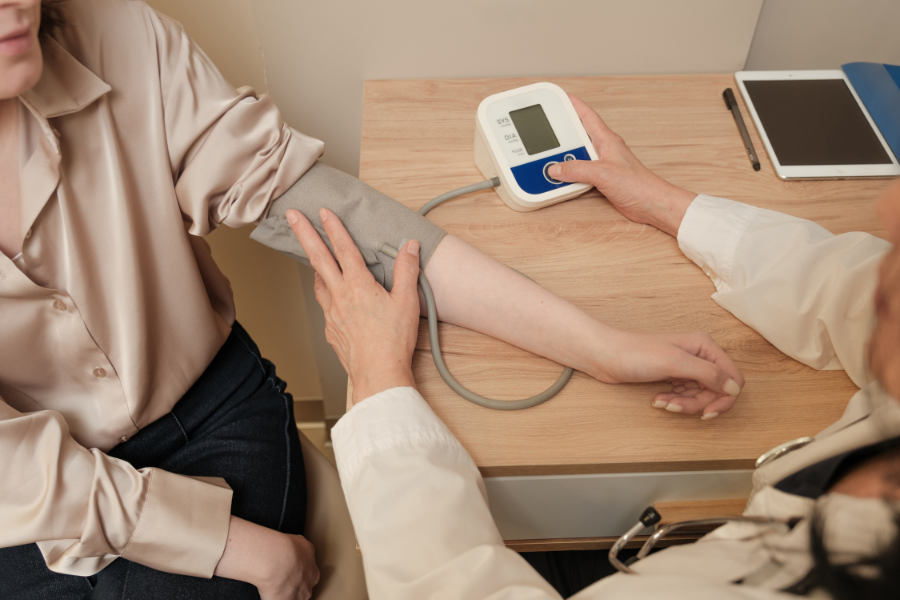
Blood pressure doesn’t respond only to salt, exercise, and medication. It also listens to stress. A rushed morning, a hard phone call, a sleepless night, or weeks of steady worry can keep the body tense without you noticing. When that tension turns into a daily habit, the heart and blood vessels feel it too.
Relaxation is a real health tool, not just a nice extra. Slow breathing, walking, meditation, stretching, and time outdoors calm the nervous system and let the body step out of survival mode. These habits won’t replace treatment for high blood pressure, but they pair well with healthy eating, regular movement, and proper medical care.
You can’t erase every stressful moment, and you don’t need to. Give the body regular chances to recover, and the heart can work a little easier while blood pressure settles each day.

Relaxing Techniques
1. Meditation Teaches the Mind to Let Go
Stress keeps the body on alert. The heart beats faster, muscles stay tight, and blood vessels tighten without anyone noticing. Left unchecked, this pattern can slowly push blood pressure up. Meditation gives the body a chance to break that cycle.
Mindfulness meditation doesn’t need equipment or years of practice. It just asks for quiet attention to the present, often through the breath or by watching thoughts pass without reacting to them. As the mind settles, the nervous system eases out of fight-or-flight mode. Heart rate slows, stress hormones drop, and blood vessels can relax.
Consistency does more here than perfection ever could. Ten to fifteen minutes a day may help lower stress and support healthier blood pressure over time. Meditation won’t replace prescribed medication, but it earns a real place in a heart-healthy routine. A calmer mind tends to bring a calmer body, which means less strain on the heart.
The collective action of the parasympathetic nervous system can be described as “rest and digest”. It dominates during periods of quiet activity and helps to return the body to a state of relaxation.
2. Slow Breathing Gives the Heart a Chance to Settle
Breathing happens without thought, yet how you breathe shapes the whole body. Under stress, breaths get quick and shallow, the heart works harder, and the nervous system stays braced for danger. Slow, controlled breathing sends the opposite signal. It tells the body it’s safe to relax.
Deep breathing switches on the parasympathetic nervous system, sometimes called “rest and digest” mode. As breathing slows, heart rate eases, blood vessels loosen, and stress hormones start to fall. Practiced regularly, this builds a healthier setting for blood pressure.
It fits almost anywhere. Breathe in slowly through the nose, pause briefly, then exhale gently through the mouth for a few minutes. You don’t need perfect technique, just a few peaceful minutes for the heart and blood pressure. Over weeks, those minutes add up to a habit that supports long-term heart health.
3. A Daily Walk Clears More Than the Mind
A walk might not look like relaxation, but it’s one of the simplest ways to calm both mind and body. Fresh air and steady movement let the nervous system step away from constant stress, while the heart gets gentle activity without being pushed too hard.
Walking releases endorphins, the body’s natural mood lifters. It also helps lower cortisol, a stress hormone tied to higher blood pressure over time. Many people notice their problems feel smaller after a short walk, even though nothing around them has changed. The mind just quiets down.
Showing up regularly matters more than distance or speed. A relaxed 20 to 30 minute walk most days can support healthier blood pressure, and steady walks over weeks tend to keep blood pressure more stable, along with better circulation and deeper sleep. Sometimes the simplest fix is putting one foot in front of the other and letting the body slow down on its own.
4. Progressive Muscle Relaxation Releases Hidden Tension
Stress doesn’t stay in the mind. It settles into the shoulders, tightens the neck, stiffens the jaw, and leaves muscles working harder than they should. After a long day, most people carry that tension without noticing it. Progressive muscle relaxation helps the body tell the difference between tense and truly relaxed.
The technique is simple: tighten one muscle group at a time, hold for a few seconds, then slowly release before moving to the next area. Working from the feet up to the head lets muscles gradually let go of stress they’ve been holding. As the tension fades, the nervous system often follows, and the heart rate and blood vessels relax along with it.
Ten minutes a day builds lasting benefits. It can ease stress, improve sleep, and support healthier blood pressure over time, giving blood pressure fewer chances to climb during the day. Sometimes the body just needs a reminder that it doesn’t have to stay on high alert all day.
5. Time Outdoors Helps the Body Shift Gears
Modern life keeps a lot of people indoors most of the day. Screens, traffic, deadlines, and notifications keep the mind running overtime. Spending time outside slows that pace. A walk through a park, a few minutes under a tree, or just fresh air can move the body away from stress and toward calm.
Nature has a way of quieting the nervous system. Birdsong, moving leaves, and natural light help lower the stress hormones that can raise blood pressure, giving blood pressure room to settle back down. Fresh air and gentle movement also encourage deeper breathing, which lets the heart and blood vessels relax. Even a short break outside can leave you feeling calmer and clearer.
Skip the weekend hike. Fifteen to thirty minutes outside a day can make a real difference. Sometimes the best reset is simply stepping away from the noise and letting nature take over for a while.
6. Better Sleep Gives Blood Pressure a Fresh Start
Sleep is one of the body’s best tools for recovery. While you rest, the heart slows, blood vessels relax, and blood pressure naturally drops for several hours. This nightly dip gives the cardiovascular system time to recover from the day’s demands. When sleep is too short or broken, that recovery period loses much of its value.
Poor sleep keeps the body on edge. Stress hormones stay elevated, the nervous system stays active, and blood pressure can remain higher than it should. Over time, this pattern raises the risk of persistent high blood pressure and other heart problems.
A relaxing bedtime routine helps. Going to bed at the same time each night, cutting caffeine later in the day, limiting screens before sleep, and keeping the bedroom cool and quiet all encourage deeper, more restful sleep. A good night’s rest restores more than energy. It gives the heart a fresh start and helps keep blood pressure healthier every day.
Conclusion
Relaxation does real work for heart health, even though it’s often treated as something that just feels nice. When stress becomes a constant companion, the body keeps the heart working harder than it needs to. Giving the nervous system regular chances to slow down builds a healthier setting for normal blood pressure.
Meditation, slow breathing, walking, progressive muscle relaxation, time outdoors, and quality sleep each calm the body in their own way. None of them is a quick fix, and none should replace medication or medical advice when high blood pressure needs treatment. Together, though, they become habits worth keeping for long-term heart health.
Consistency beats perfection here every time. Even a few quiet minutes a day can lower stress, lift mood, and give the heart a chance to recover. A calmer mind tends to bring a calmer body, and those small daily moments can add up to healthier blood pressure for years to come.