The first hour after waking sets the tone for blood pressure the rest of the day. Most mornings involve rushing out the door, gulping coffee, skipping breakfast, and reaching for a phone before the body has fully woken up. For anyone managing blood pressure, that rushed start can quietly pile stress onto a system that’s already working hard.
Mornings don’t have to work against you. A handful of small, realistic habits can help blood pressure settle into a healthier rhythm and give the whole day a calmer start. None of these habits replace medication or a doctor’s guidance. They work best as a companion to that care, not a substitute for it.
Here are six habits worth building into your morning if better blood pressure control is the goal.

Morning Habits That Protect Your Heart
1.Drink a Glass of Water Before Anything Else
After a full night’s sleep, the body goes hours without fluid. Starting the morning with a glass of water replaces what was lost overnight and helps you begin the day properly hydrated. Good hydration supports normal circulation and helps the kidneys manage fluid and sodium levels, both of which matter for blood pressure.
You don’t need a complicated ritual. One glass, drunk slowly, is enough for most people. That slow sip can also give you a quiet moment before the day speeds up. Water isn’t a cure for high blood pressure, and drinking large amounts won’t lower it by itself.
If you’re on medication that affects fluid balance, your needs may differ from the general recommendation, so it’s worth asking a doctor what’s right for you. For most adults, though, a glass of water first thing is a simple habit that supports blood pressure while easing you into the day.
2. Move Gently Before You Move Fast
You don’t need a hard workout the moment you wake up. A few minutes of gentle movement wakes up stiff muscles, loosens tight joints, and gets blood flowing before the day’s demands hit. For people managing blood pressure, that gradual start often does more good than jumping straight into something intense.
A slow walk around the house, a bit of stretching, easy yoga, or a few simple mobility moves can get things going without straining the body. Regular movement also supports long-term heart health and steadier blood pressure over time.
This kind of gentle start matters most after a long, still night. It lets the body ease from rest into activity instead of jolting into it, and it gives your mind a quiet reset too. You don’t need much time. Five or ten minutes is plenty to start, and it adds up.
3. Slow Down Before the Rush Takes Over
The first few minutes of the day can feel like a sprint. Phones buzz, the to-do list starts running, and stress creeps in before breakfast is even on the table. Starting the day in that kind of urgency can add pressure the body doesn’t need, literally.
A few minutes of slow breathing changes that. Sit quietly, breathe in gently through your nose, and let the exhale run a little longer than the inhale. This kind of breathing nudges the nervous system toward calm, and as it settles, heart rate and tension tend to ease with it.
You don’t need a formal meditation practice for this to work. Five minutes before breakfast, done consistently, is enough. Some people prefer stretching instead, or quiet music, or simply sitting without a phone in hand. Whatever the form, the goal is the same: give your body a calmer starting point instead of an urgent one.
4. Check Your Blood Pressure the Right Way
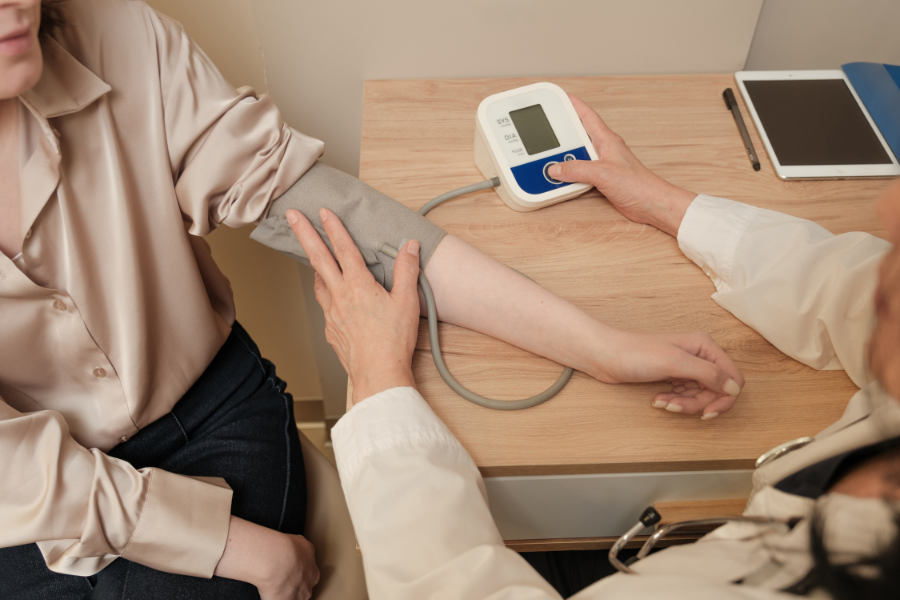
Morning blood pressure readings can be genuinely useful, but only if you take them correctly. A reading taken right after waking, or after rushing around, coffee, or exercise, won’t reflect your true resting number. The American Heart Association recommends sitting quietly for at least five minutes before measuring, and taking readings at the same time each day.
At home, sit with your back supported, feet flat on the floor, and your arm resting at heart level. The cuff should sit on bare skin and be the correct size for your arm. Skip smoking, exercise, alcohol, and caffeine for thirty minutes beforehand, since all of them can skew the number.
Take two readings about a minute apart and write both down. That gives a more reliable picture than one number alone, and a running record helps a doctor see patterns and judge whether your current treatment is actually working. You’re not chasing a perfect number every morning. You’re building a consistent, accurate record over time.
5. Eat a Breakfast That Actually Supports Your Heart
What you eat first thing quietly shapes the rest of your morning. A bowl of sugary cereal, a plate of processed meat, or anything heavy on salt delivers plenty of calories without doing much for blood pressure. A better breakfast leans on protein, fiber, potassium-rich foods, and reasonable sodium.
Oatmeal with berries and a handful of unsalted nuts is one easy option. Eggs with vegetables and whole grain toast is another. Plain yogurt with fruit and seeds works too, and none of these require processed ingredients or much effort.
Potassium helps offset sodium’s effect on blood pressure, and fiber supports both heart and metabolic health. Protein keeps you full longer, which helps you avoid the energy crash that often leads to a less healthy snack an hour later. None of this requires a perfect breakfast. Small, consistent choices add up to a real difference for blood pressure over time.
6. Keep a Steady Sleep and Wake Schedule
A calm morning usually starts the night before. Going to bed and waking up around the same time each day helps the body hold a steady rhythm. That consistency matters for blood pressure because the cardiovascular system normally gets a period of lower pressure and recovery during sleep.
Poor or irregular sleep undercuts that recovery. You wake up tired, reach for extra caffeine, and start the day already behind. Over time, that pattern makes every other healthy habit harder to keep up, and it can work against steady blood pressure control.
A consistent wake time is the easiest place to start. Getting some morning light, cutting back on screens late at night, and keeping the bedroom quiet and comfortable all support a steadier sleep schedule, and a steadier sleep schedule supports steadier blood pressure.
Small Habits, Real Results
Conclusion
None of this requires an elaborate morning routine. A glass of water, a few minutes of movement, a slower start, an accurate blood pressure check, a better breakfast, and consistent sleep can all fit into an ordinary day without much extra effort.
These habits aren’t a replacement for medication or medical care. They work alongside those treatments, not instead of them, and they make managing blood pressure a little more natural over the course of a normal week.
Consistency is what actually moves the needle. One calm morning won’t change your blood pressure overnight, but repeated over weeks and months, these small choices add up. For anyone managing blood pressure past 40, the morning is a real opportunity, not a small one, to ease stress, support circulation, and protect long-term heart health.