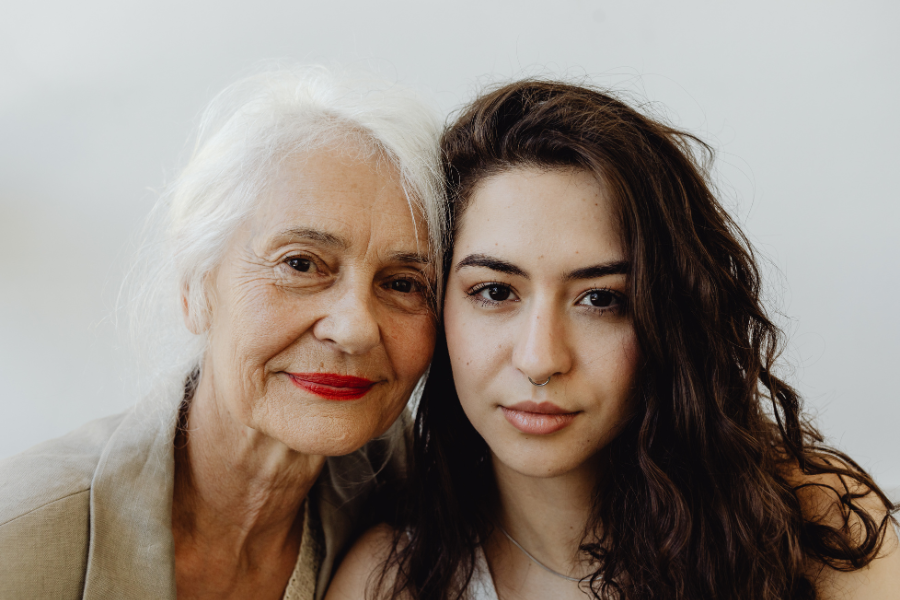
Aging doesn’t run on one schedule. Some changes creep in quietly, others seem to show up overnight. After 40, muscle mass can decline, recovery takes longer, sleep gets less predictable, and skin starts showing years of sun exposure.
Still, getting older doesn’t mean giving up strength, energy, or independence. Research keeps showing that everyday habits shape many of the processes tied to aging. Movement, good food, real sleep, stress control, social connection, and preventive care all play a part.
The goal isn’t looking or feeling 25 again. It’s helping the body stay capable and resilient for as long as possible. Small habits repeated consistently matter more than occasional bursts of effort. For adults in their 40s and beyond, these science-backed habits offer practical ways to support healthier aging

10 Science-Backed Habits
1. Strength Training Helps Preserve the Body’s Foundation
Muscle gets harder to hold onto with age. After 40, that decline can affect strength, balance, metabolism, and everyday mobility. Without resistance exercise, the body slowly loses muscle that once made ordinary tasks effortless.
Strength training gives the body a reason to keep that muscle. Squats, lunges, rows, presses, and resistance-band work challenge muscles and push them to adapt. The benefits go beyond size, too. Resistance exercise stresses bone in a healthy way, supporting bone density and slowing the physical decline tied to aging.
Two or three well-planned sessions a week can bring real benefits. Starting gradually with proper technique lets the body build strength without unnecessary strain, creating a stronger foundation for healthy aging.
2. Protein Gives Aging Muscles More to Work With
Protein matters more as the body gets older. After 40, muscle becomes harder to maintain, especially without regular exercise, so the body needs enough protein to repair muscle fibers and support everyday strength.
Protein supplies amino acids, the building blocks used for muscle repair and growth. A protein-rich meal after exercise supports recovery, and spreading protein across the day keeps muscles supplied. Good sources include eggs, fish, poultry, lean meats, Greek yogurt, cottage cheese, beans, lentils, tofu, nuts, and seeds.
The goal isn’t eating more meat or downing protein shakes. It’s making sure each meal has a reliable protein source. Combined with movement and sleep, steady protein intake helps muscles stay strong and makes healthy aging easier to sustain.
3. Sleep Gives the Body Time to Repair
Sleep isn’t just a break between busy days. It’s one of the body’s most important recovery windows. During restful sleep, the brain processes memories, tissues repair, and hormones tied to appetite, metabolism, and stress get balanced.
After 40, consistent sleep can get harder to come by. Stress, changing routines, nighttime waking, and hormonal shifts can interrupt deep rest, and the effects often show up the next morning as poor concentration, low energy, or slower recovery.
Sleep also supports immune function and the processes tied to healthy aging. A consistent schedule, a dark and comfortable bedroom, less caffeine late in the day, and less evening screen time can all encourage better rest. Good sleep won’t stop aging, but it gives the body a nightly chance to recover and stay resilient.
4. Plants Fill the Plate With Protective Compounds
A colorful plate does more than look appealing. Fruits, vegetables, beans, whole grains, nuts, and seeds bring fiber, vitamins, minerals, and phytochemicals that support the body’s defenses as it ages.
Fiber supports gut health and helps regulate cholesterol and blood sugar. Plant foods also supply antioxidants that help manage oxidative stress, a process tied to cellular damage. No single food stops aging, but a varied, plant-forward diet gives the body many tools for staying healthy.
Add variety instead of chasing a perfect diet. Berries with breakfast, greens filling half a lunch plate, beans and whole grains at dinner. Over time, that habit supports heart health, digestion, and the body’s ability to age well.
5. Consistency Turns Healthy Habits Into Long-Term Protection
Healthy aging rarely comes from one perfect meal or one great night’s sleep. The real benefit comes from ordinary habits repeated often enough for the body to adapt. After 40, consistency becomes one of the strongest tools for protecting health over time.
A short daily walk still counts. Two strength sessions a week still build strength. A regular bedtime and a few minutes of stress relief seem small, but they add up across months and years.
There will always be busy days and missed workouts. That’s normal. Healthy aging doesn’t require perfection, just returning to good habits again and again, building the resilience that protects strength and independence over the long run.
6. Regular Health Checks Catch Problems Earlier
Healthy aging isn’t only about what happens at home. Regular checks give people a chance to catch problems before they’re harder to manage. After 40, routine screenings matter more because high blood pressure, high cholesterol, diabetes, and certain cancers can develop without symptoms.
A routine appointment can reveal changes that are easy to miss. Blood pressure can creep up. Blood sugar and cholesterol can shift even when someone feels fine. Catching these changes early gives doctors and patients more time to respond.
Regular checkups aren’t a sign something’s wrong. They’re a way of staying informed. Knowing the body’s numbers and keeping screenings on schedule helps protect health and independence in the years after 40.
7. Stress Management Protects More Than the Mind
Stress is part of life, but living under constant pressure wears the body down. After 40, chronic stress effects can be more noticeable because recovery takes longer. The body keeps releasing cortisol and adrenaline, preparing for danger that isn’t there.
Over time, chronic stress can interfere with sleep, blood pressure, blood sugar, immune function, and eating habits, and it’s tied to inflammation and cardiovascular risk. Managing it doesn’t mean eliminating every hard moment. Walks, meditation, slow breathing, social connection, hobbies, and enough sleep all help the nervous system recover.
The goal isn’t a perfectly calm life. It’s giving the body enough recovery time so stress doesn’t carry from one day into the next, supporting both mental resilience and healthier aging.
8. Social Connection Keeps the Aging Brain Engaged
The brain doesn’t age in isolation. Conversations, friendships, family relationships, and social activities give the mind constant chances to listen, respond, remember, and adapt.
After 40, busy careers, family duties, retirement changes, or a shrinking social circle can make connection harder. Long stretches of isolation can leave someone mentally and emotionally drained, while meaningful interaction stimulates attention, communication, and problem-solving.
Social connection doesn’t need a huge circle. A regular phone call, a weekly class, volunteering, or coffee with a friend all create real engagement. Quality matters more than a crowded calendar, and staying connected is part of a healthy aging routine that supports purpose and well-being.
9. Walking Keeps the Heart and Brain Moving
Walking is one of the simplest ways to stay active after 40. It needs no equipment or complicated plan. A regular walk gets the heart pumping, improves circulation, strengthens the legs, and keeps joints moving.
The benefits reach the brain too. Physical activity increases blood flow and is linked to better cognitive health. A brisk walk can lift mood, cut stress, and offer a mental break from the day. Stronger legs and regular movement also make climbing stairs and carrying groceries easier.
A daily 20- to 30-minute walk is a practical starting point. Simple as it looks, that consistency can protect the heart, support the brain, and keep the body moving well for years.
10. Sun Protection Helps Keep Skin Looking Younger
Sunlight feels harmless on a warm afternoon, but UV radiation quietly speeds up visible skin aging. Years of exposure break down collagen and elastin, the proteins that keep skin firm and smooth, leading to fine lines, uneven pigmentation, and age spots.
The damage often builds long before it’s visible. One sunny day won’t show anything, but repeated unprotected exposure adds up over decades, and after 40 that history becomes easier to see in the mirror.
Daily protection slows this process. Broad-spectrum SPF 30 or higher, protective clothing, sunglasses, and seeking shade all reduce UV exposure. It’s not about avoiding the sun entirely, just cutting unnecessary exposure, which helps preserve collagen and keep skin looking healthier as the years pass.
Conclusion
Healthy aging after 40 is less about stopping time and more about giving the body what it needs to handle time well. Muscle becomes harder to maintain, recovery slows, and certain health risks grow more important, but the habits built now shape how those changes unfold.
Strength training protects muscle and bone. Protein supports repair. Walking keeps the heart, brain, and body active. Quality sleep gives the body time to recover, while plant-rich foods provide fiber and protective nutrients. Stress management, sun protection, social connection, and regular health checks add further layers of protection for healthy aging.
None of these habits needs to be perfect. What matters is doing them consistently. A missed workout or one poor night’s sleep won’t undo months of healthy choices.
The body responds to what it gets repeatedly. Small actions practiced year after year help preserve strength, mobility, and independence. After 40, healthy aging isn’t about fighting the years. It’s about making those years stronger and more rewarding.