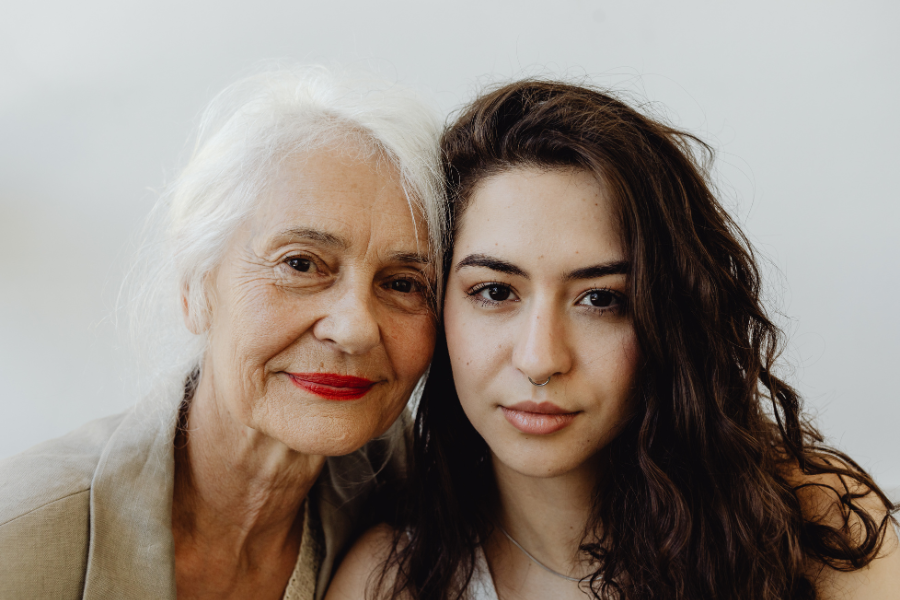
Aging was never really the enemy. What sends most people searching for anti-aging treatments is something smaller: looking tired, feeling less confident, or noticing the mirror change faster than expected. The options keep growing every year, from quick lunchtime procedures to treatments that work beneath the skin’s surface.
The hard part is knowing which anti-aging treatments are actually worth your time and money.
Some smooth wrinkles within days. Others stimulate collagen and show results over several months. Each comes with its own benefits, recovery time, and possible side effects, and what works well for one person may do nothing for another. The goal isn’t to erase every sign of aging. Healthy skin still tells a life story. It’s about choosing treatments backed by real science, done safely, and matched to what your skin actually needs.
Anti-Aging Treatments: Benefits and Side Effects
1.Botox Smooths Wrinkles Without Surgery
Few anti-aging treatments are as widely recognized as Botox, and few remain as consistently requested year after year. It’s a popular choice for people who want a fresher look without surgery or a long recovery. A session usually takes just a few minutes, and most people go straight back to their day afterward.
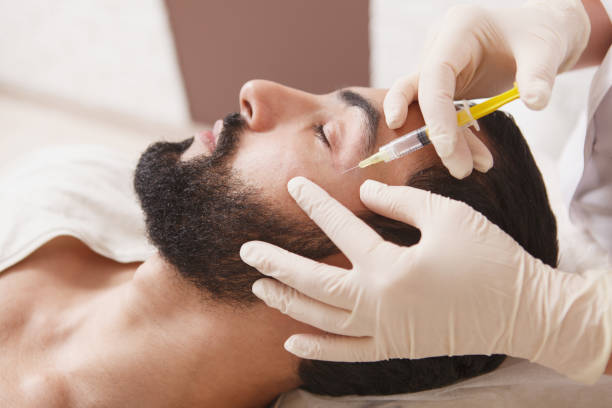
Botox works by temporarily relaxing the facial muscles behind expression lines.As those muscles soften, wrinkles on the forehead, between the brows, and around the eyes become less noticeable. Results tend to show up within a few days and last three to four months before another round is needed.
Side effects are usually mild: some redness, swelling, bruising, or a headache after the injections. In rare cases, it can affect nearby muscles and cause a drooping eyelid or an uneven expression.
Botox suits adults with mild to moderate dynamic wrinkles caused by repeated facial movement. The most natural results come from an experienced professional who understands facial anatomy and knows where to stop.
2.Dermal Fillers Bring Back Lost Volume
Wrinkles are only part of the aging story. Over time, the face loses collagen, fat, and elasticity. Cheeks flatten, lips thin out, and deeper lines form around the nose and mouth. Among anti-aging treatments, dermal fillers stand out because they restore that lost volume instead of just smoothing the surface.
Most fillers use hyaluronic acid, a substance the body already produces that draws in moisture and adds fullness under the skin. Results show almost immediately, and depending on the filler and the area treated, they last anywhere from six months to two years.
Temporary swelling, bruising, redness, and tenderness are the most common side effects. Serious complications are rare but can happen if the filler is injected incorrectly.
Fillers work best for people who want their natural volume back, not a different face altogether. An experienced injector is what separates balanced, natural-looking results from an obviously “done” look.
3.Microneedling Encourages the Skin to Repair Itself
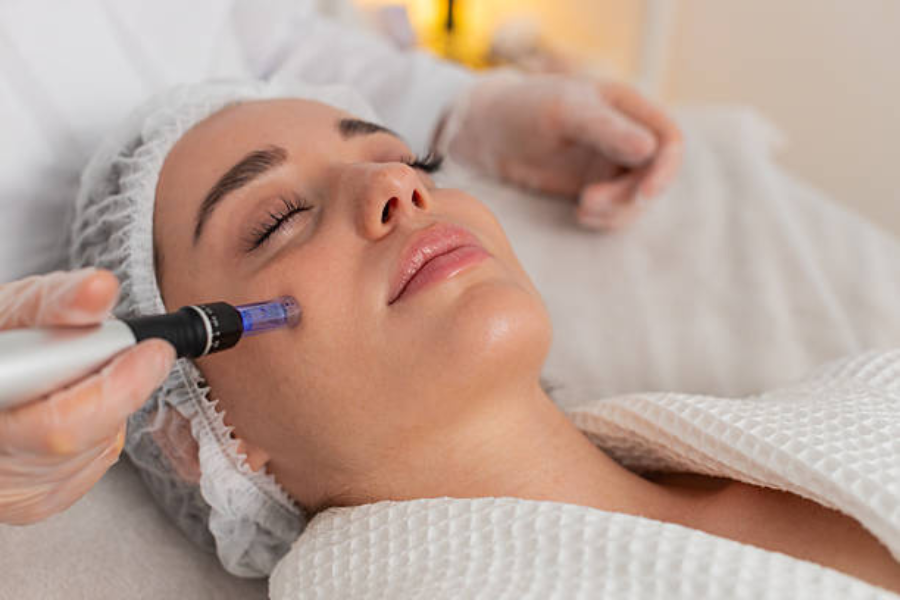
Sometimes the best way to improve skin is to get it to heal itself, and that’s the idea behind microneedling. A device with tiny sterile needles creates controlled micro-injuries that trigger the skin’s own repair process and stimulate new collagen and elastin.
The results build slowly rather than overnight. Fine lines soften, acne scars fade, texture smooths out, and pores can look smaller. As collagen keeps building over the following weeks, skin often looks firmer and more refreshed. Most people need several sessions to see the full effect.
Redness, mild swelling, sensitivity, and slight peeling are common for the first few days. Serious complications are uncommon when the procedure is done under proper sterile conditions.
Microneedling suits people who want natural-looking improvement without surgery, as long as they’re willing to be patient while the skin rebuilds itself. Among non-invasive anti-aging treatments, this one rewards patience more than any other on this list.
4.Chemical Peels Reveal Healthier-Looking Skin
Good skin often starts with what’s happening beneath the surface. Chemical peels remove damaged outer layers so fresher, smoother skin can take their place. Depending on the strength used, they can address fine lines, uneven tone, sun damage, acne scars, and age spots.
The process uses carefully chosen acids to cause controlled exfoliation. As the old skin peels away, new skin appears with a brighter, more even complexion. Light peels need almost no downtime, while deeper peels give more dramatic results but take longer to heal.
Expect some redness, peeling, dryness, and sensitivity afterward. Stronger peels can also cause swelling and demand extra sun protection during recovery. Following aftercare instructions properly matters more than people expect.
Chemical peels aren’t one-size-fits-all, and they remain one of the more customizable anti-aging treatments on the market. The right strength depends on skin tone, sensitivity, and what you’re trying to fix, so this is one treatment worth discussing with an experienced professional first.
5.Prescription Retinoids Transform Skin Over Time
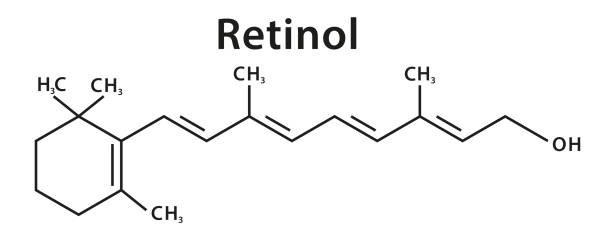
Not every effective anti-aging treatment happens in a clinic. Some of the most reliable anti-aging treatments start with a simple prescription cream used consistently at home. Retinoids, derived from vitamin A, remain among the most studied and most recommended options for visible aging.
Unlike faster treatments, retinoids work gradually. They speed up cell turnover, stimulate collagen, and reduce the look of fine lines, uneven tone, and sun damage. With regular use, skin tends to get smoother, firmer, and more even.
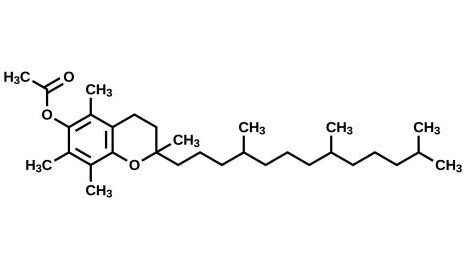
The first few weeks are the hardest part. Dryness, redness, peeling, and mild irritation are common while the skin adjusts, though starting with a lower strength, using a moisturizer, and wearing daily sunscreen usually helps, since retinoids raise sun sensitivity.
Patience really is the key here. Results can take months to show, but they last as long as you keep using the treatment, which is why so many dermatologists consider retinoids one of the best long-term investments for skin.
6.Laser Skin Resurfacing Starts Fresh From Within
Years of sun exposure, fine lines, acne scars, and uneven tone change how skin looks over time. Among the more intensive anti-aging treatments, laser resurfacing addresses these concerns by removing damaged outer layers while building new collagen underneath, leaving skin smoother and more even.
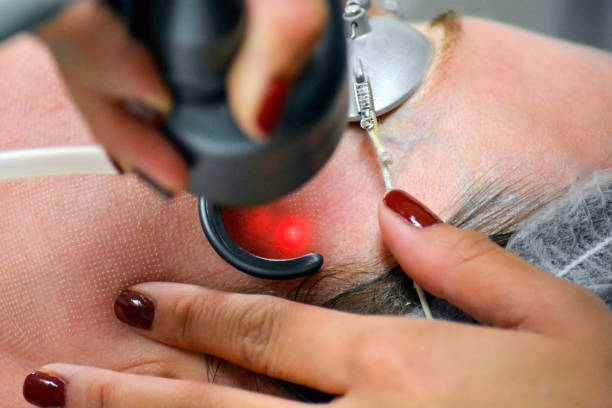
Different lasers suit different concerns and different amounts of downtime.
Some treatments need only a few days of recovery, while more intensive ones can need several weeks to heal fully.
Improvement continues for months afterward as collagen keeps building.
Recovery usually includes redness, swelling, peeling, and temporary sensitivity. Strict sun protection matters because new skin is especially vulnerable while healing. Infection, scarring, or pigment changes are uncommon, but they can happen without proper aftercare.
Laser resurfacing tends to suit people with visible sun damage, wrinkles, or acne scars who want real change without surgery. An experienced dermatologist or cosmetic surgeon makes a real difference in both safety and outcome here.
7.Platelet-Rich Plasma Uses the Body’s Own Healing Power
Not every promising anti-aging treatment relies on synthetic ingredients, and PRP is proof of that. Platelet-Rich Plasma, or PRP, uses a person’s own blood to trigger skin repair. After drawing a small blood sample, it’s processed to concentrate the platelets, which are then injected into the skin to stimulate healing and collagen production.
Results build slowly as the skin repairs itself. Many people notice smoother texture, better firmness, a healthier glow, and fewer fine lines over the following weeks and months. PRP is often paired with microneedling to boost collagen production further.
Because PRP comes from your own blood, the risk of an allergic reaction is very low. Temporary redness, swelling, bruising, and mild tenderness at the injection site are the most common side effects, and most people are back to normal within a day or two.
PRP suits people looking for subtle, natural rejuvenation rather than a dramatic overnight change. With realistic expectations and a qualified provider, it can be a solid part of a long-term skin plan.
Conclusion
Choosing between anti-aging treatments comes down to skin type, age, goals, budget, and overall health. Botox, dermal fillers, laser treatments, microneedling, PRP, chemical peels, and prescription retinoids each offer real benefits alongside real trade-offs, and what works beautifully for one person may fall flat for someone else.
No anti-aging treatment can stop time, and none of them should promise perfection. The point was never to erase every line. It’s to help skin age in a healthier, more confident way while keeping its natural character intact. A qualified dermatologist or cosmetic specialist can point you toward options that fit your needs while keeping the risks in check. Combined with daily sunscreen, a decent lifestyle, and consistent skincare, the right anti-aging treatment can keep skin looking refreshed and healthy for years to come.
you can also see this to know “Signs Are That You Aging Faster“