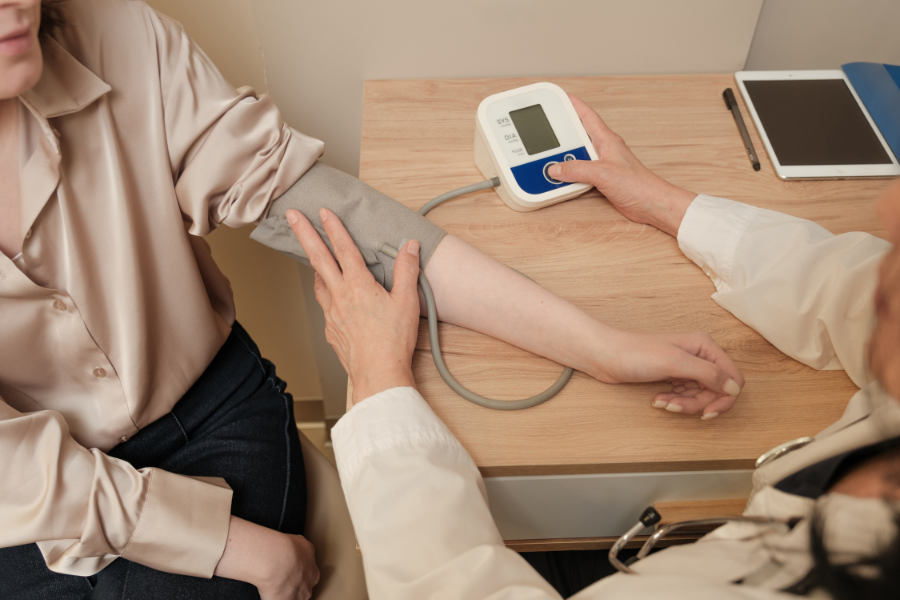
Blood pressure can climb gradually without much warning. A reading that once looked normal can slowly creep upward over the years without you noticing.
That matters because blood pressure affects far more than your heart. Persistently high pressure stresses blood vessels and gradually damages the kidneys, brain, heart, and eyes over time.
The tricky part is that one reading rarely tells the full story. Blood pressure shifts with stress, activity, caffeine, sleep, and even where it’s measured. After 40, regular conversations with your doctor become genuinely valuable, someone who can look past the number itself and weigh family history, cholesterol, kidney function, and overall cardiovascular risk together. Knowing which questions to ask turns that conversation into something far more useful.

Doctor Should Answer
1. Is My Blood Pressure Reading Healthy for Me?
A blood pressure reading looks simple, but it needs real context. Doctors consider two values together, systolic pressure (when your heart contracts) and diastolic pressure (between beats), and neither number should be judged alone.
Blood pressure changes naturally throughout your day, exercise, stress, and even a full bladder can temporarily raise a reading, which is why one unusual measurement rarely represents your actual pattern. Doctors look for trends over time instead, repeated readings paint a far clearer picture than one stressful office visit.
Age alone doesn’t create a universal target either, your cardiovascular risk, kidney health, and medications all shape the right goal. Home readings help confirm whether an office number reflects your real pattern, and a doctor can put yours into proper context.
2. How Often Should I Check My Blood Pressure?
Blood pressure never sits at one fixed level, it rises and falls naturally with activity, stress, sleep, and meals throughout your entire day.
That makes trends genuinely more useful than isolated readings, someone with consistently normal numbers needs less frequent checking than someone managing hypertension or a recent medication change. Home monitoring helps here specifically since it captures your blood pressure in a familiar environment, doctors often recommend consistent conditions and a written record for review.
Technique matters just as much as frequency, sit quietly for several minutes, keep your back supported, and avoid talking during measurement. A doctor tailors your checking schedule to your history and treatment, since the real goal is accurate, consistent readings revealing your genuine pattern, not collecting the most numbers possible.
3. Do Any of My Medications or Supplements Affect Blood Pressure?
Blood pressure responds to more than salt and stress, certain medications and supplements push it upward too, often without you making the connection at all.
NSAID’s like ibuprofen are a common example, they cause sodium and water retention and can affect kidney blood flow, sometimes raising blood pressure or making existing hypertension harder to control. Decongestants work differently, ingredients like pseudoephedrine narrow blood vessels directly, increasing vascular resistance, particularly in people who already have hypertension.
Certain supplements deserve scrutiny too, stimulant ingredients or high-dose caffeine can affect heart rate and vessel tone. A complete medication list, prescriptions, over-the-counter products, and supplements together, lets your doctor spot whether your routine is contributing to your specific blood pressure pattern. Never stop a prescribed medication without guidance first.
4. Do I Need Lifestyle Changes or Blood Pressure Medication?
Not every elevated reading means medication is immediately necessary. Treatment decisions depend on your overall pattern and your actual risk of cardiovascular or kidney complications developing over time.
Lifestyle changes often come first, regular activity improves cardiovascular fitness, and reducing sodium while eating more produce can meaningfully lower pressure on their own. But lifestyle changes aren’t always sufficient alone, if pressure stays significantly elevated or conditions like diabetes or kidney disease exist, medication may be recommended sooner rather than later.
Blood pressure medicines work through different pathways, some reduce circulating fluid, others relax blood vessels or slow your heart rate directly. The decision is genuinely individualized, weighing your kidney function, cholesterol, and family history together, and medication rarely replaces healthy habits, the two usually work best combined.
5. Could My Blood Pressure Be Higher Outside the Doctor’s Office?
Blood pressure behaves differently at home than in a medical office, making a few office readings an incomplete picture for plenty of people.
The white-coat effect happens when pressure rises during a visit from nervousness alone, while your everyday readings stay genuinely lower. The reverse also happens, masked hypertension means your office reading looks normal while your pressure runs consistently higher during actual daily life.
This distinction matters since persistent high pressure quietly damages blood vessels regardless of what your office reading shows. Home monitoring, or sometimes ambulatory monitoring recording pressure throughout a full day and night, reveals your true pattern far better than one clinic snapshot ever could. Proper technique still matters, a well-fitted cuff and quiet rest beforehand.
6. Could Another Health Condition Be Raising My Blood Pressure?
Blood pressure doesn’t always rise from lifestyle alone, certain health conditions change your body’s control systems and make hypertension more likely or harder to manage.
Your kidneys are a major example, they regulate sodium and water balance directly, and impaired kidney function often means retaining extra fluid that raises pressure. Sleep apnea plays a role too, repeated breathing interruptions trigger sympathetic nervous system surges, causing temporary spikes that add up into persistent hypertension over time.
Hormonal disorders involving the thyroid or adrenal glands can alter heart rate and vessel tone as well, and metabolic conditions like insulin resistance compound the picture further. Most high blood pressure is still primary, developing from genetic and lifestyle factors combined, but unusual or hard-to-control readings sometimes justify looking deeper with your doctor.
7. What Tests Should I Have Alongside My Blood Pressure Check?
A blood pressure reading alone doesn’t show your complete cardiovascular picture. Your doctor may recommend additional testing based on your age, history, and overall risk profile.
Kidney testing matters since kidneys and blood pressure influence each other directly, blood tests estimate filtration while urine testing checks for albumin leaking through damaged filters. Blood sugar testing identifies diabetes or prediabetes, since elevated glucose damages blood vessels and compounds cardiovascular risk considerably over time.
Cholesterol testing adds another piece, high LDL contributes to arterial plaque buildup, helping estimate your broader risk profile. Not everyone needs every test at every visit, testing should follow your individual risk rather than a fixed checklist, since blood pressure, kidney function, and cholesterol all interact to shape your long-term cardiovascular health together.
8. What Blood Pressure Goal Should I Aim for Long Term?
A blood pressure goal shouldn’t come from age alone, the right target depends on your overall health, kidney function, diabetes status, and how well treatment is actually tolerated.
Goals exist to reduce long-term strain on blood vessels and organs, since persistently elevated pressure raises your risk of heart attack, stroke, and kidney disease considerably over years. But lower isn’t automatically better either, pressure that drops too far causes dizziness, weakness, or falls in some people, making an individualized target genuinely essential.
Home readings help confirm your usual pattern beyond office visits, and your doctor may adjust your target over time as kidney function or medications change. Long-term consistency matters more than hitting one perfect number, a good blood pressure goal stays personal, measurable, and regularly reassessed rather than fixed forever.
Conclusion
Blood pressure is more than a number from a doctor’s visit, it reflects the force moving through your arteries and the stress that circulation places on your organs over years of everyday life.
A single reading rarely tells the full story either, repeated measurements, especially accurate home readings, reveal a far more reliable pattern than one office visit ever could. Medications, sleep apnea, kidney problems, and blood sugar all influence blood pressure too, which is exactly why looking at the whole picture matters more than fixating on one number.
The right treatment is genuinely personal, some people improve substantially through lifestyle changes alone, others need medication, and many need both working together. There’s no single blood pressure goal that fits everyone, the best conversation with your doctor goes beyond asking if a number is high, it’s about understanding what that number actually means for your health and what protects your heart, brain, and kidneys for years ahead.