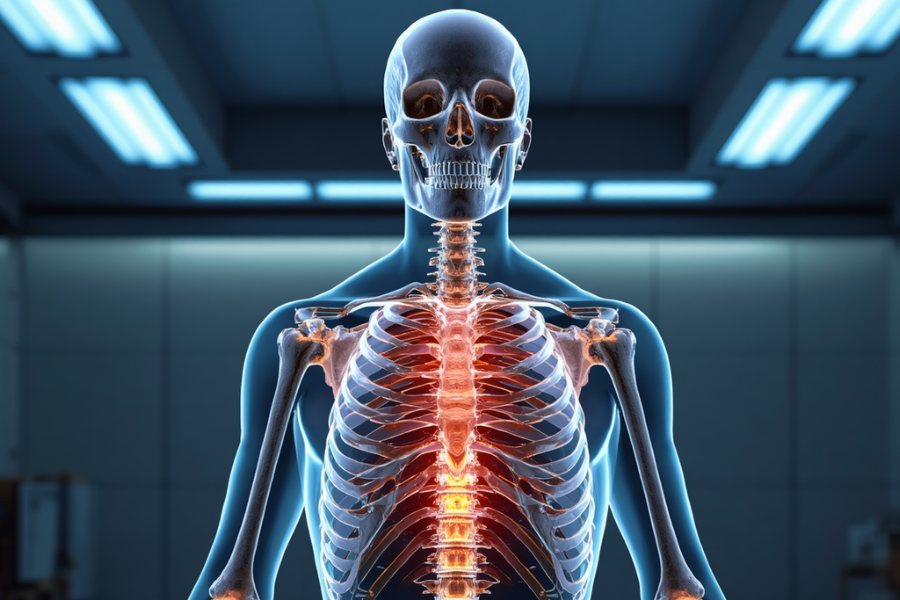
Your bones are living tissue, and they respond directly to the demands you place on them. Walking, climbing stairs, and lifting all send regular mechanical signals that help support bone (health) strength over time.
Sitting for long stretches removes much of that daily loading. A chair doesn’t damage bone health by itself, but a highly sedentary routine means fewer chances for your skeleton to get the movement signals it genuinely needs.
There’s another connection too, less movement usually means less muscle activity, and over time weaker muscles affect balance and your ability to catch yourself during a stumble. Bone health depends on far more than calcium alone, hormones, vitamin D, muscle function, and overall activity all shape the ongoing process of bone remodeling. Here’s the real science behind how prolonged sitting quietly affects your bone health.
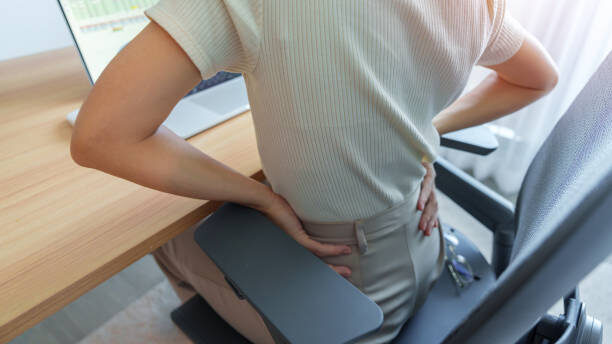
Sitting Too Much
1. Bones Need Regular Mechanical Stress to Stay Strong
Bones look solid, but they’re constantly being rebuilt through a process called bone remodeling, specialized cells remove older tissue while others build new tissue continuously throughout your life.
Mechanical loading is one of the main signals guiding that process. Walking, climbing stairs, and resistance training all place real force through your skeleton, and bone cells sense that strain, coordinating remodeling in response directly. Sitting removes much of that daily signal, fewer steps and less weight-bearing activity mean less loading overall, not because sitting destroys bone, but because it removes the stimulus bone actually needs.
This matters more with age since bone mass naturally shifts over the years. Swimming and cycling offer real cardiovascular benefits but load bones far less than walking or resistance training does, an important distinction for anyone building a bone-conscious routine.
2. Inactivity Makes It Harder to Maintain Healthy Bone Density
Bone density reflects how much mineral is packed into your bone health tissue, one important measure of skeletal strength that responds directly to physical activity over time.
Weight-bearing movement and resistance exercise place controlled stress on bones, giving bone cells the signals that support ongoing remodeling. A sedentary routine reduces those signals considerably, less walking and fewer stairs mean your body gets consistently low physical loading, making it genuinely harder to maintain bone mineral density long term.
Aging compounds this further, hormonal shifts during menopause specifically accelerate bone loss in women. This doesn’t mean sitting for an afternoon causes osteoporosis, genetics, hormones, and nutrition all play major roles too, but a body receiving little weight-bearing activity gives its bones fewer mechanical signals supporting density overall.
3. Too Much Sitting Contributes to Muscle Loss
Bones and muscles work as a genuine team, strong muscles create the forces that load the skeleton, while bones provide the framework letting those muscles actually work.
Long periods of inactivity reduce how much work your muscles perform, and consistently low activity contributes to real loss of muscle size and strength over time, particularly without resistance training. That matters for bone health specifically because muscles create the mechanical forces stimulating bone remodeling, when muscle activity declines, your skeleton receives fewer of those useful loading signals directly.
Muscle weakness also affects physical function broadly, climbing stairs or recovering from a stumble becomes harder as strength declines. Stronger muscles stabilize joints and maintain balance too, reducing fall risk, which becomes increasingly important as bone strength shifts with age.
4. Long Sitting Periods Make Everyday Movement Harder
Long stretches in a chair make your body feel noticeably different once you actually move again, hips, knees, and your lower back often feel stiff after staying still too long.
This stiffness isn’t usually about bones directly, joints depend on movement and synovial fluid to work smoothly, and staying still temporarily reduces mobility, making those first few movements genuinely uncomfortable. The bigger concern is the pattern that follows, when movement feels difficult, you naturally start walking less and avoiding stairs, gradually reducing muscle strength and cutting weight-bearing loading opportunities for your skeleton.
Mobility and bone health overlap considerably here, staying comfortably mobile keeps you active, while increasing stiffness can trap you in a cycle of inactivity. Breaking up long sitting periods with regular walking helps prevent that gradual shrinking of everyday movement.
5. Long Inactivity Reduces the Signal for Bone Remodeling
Bone is constantly changing through two specialized cell types, osteoclasts break down older bone while osteoblasts build new tissue, together maintaining your skeleton continuously throughout adulthood.
Mechanical loading guides that process directly, walking and lifting create small amounts of controlled strain that bone cells sense and respond to by adjusting remodeling accordingly. Long periods of inactivity reduce those signals considerably, and over time, consistently low mechanical stimulation can shift the balance toward bone breakdown in some circumstances, depending on age, hormones, and overall activity levels.
This doesn’t mean one sedentary afternoon causes measurable bone loss, the real concern is a long-term pattern where movement gets repeatedly replaced by sitting. Bone remodeling also repairs microscopic damage that naturally accumulates from everyday stress, another reason regular loading genuinely matters.
6. Less Movement Affects Balance and Coordination
Balance isn’t controlled by one system alone, your brain, inner ear, muscles, and nervous system all work together constantly to keep your body stable during everyday movement.
Regular movement maintains that coordination directly, walking and changing direction challenge your muscles and nervous system to work together in real time. A highly sedentary routine reduces those challenges considerably, weaker leg and core muscles combined with less practice moving dynamically make balance genuinely less reliable over time.
The connection to bone health matters enormously here since poor balance raises fall risk directly, and a fall doesn’t always cause a fracture, but weaker bones tolerate significant impact far less effectively. Strong bones provide the structure, but reliable balance and muscle strength protect that structure from injury in the first place.
7. Sitting Too Much Affects Calcium and Metabolic Health Indirectly
Bone health depends on far more than mechanical loading alone, calcium balance, vitamin D, and overall metabolic health all shape how well your skeleton actually gets maintained over time.
Vitamin D specifically supports calcium absorption from your intestine, and regular outdoor activity contributes to vitamin D production through sunlight exposure, though skin type and season affect this considerably. Sitting doesn’t directly cause calcium deficiency, but a highly sedentary lifestyle often means less time outdoors and poorer metabolic health overall, both of which indirectly affect bone health.
Metabolic issues like insulin resistance influence bone health through hormonal pathways too, though excess weight doesn’t automatically mean weaker bones. Bone protection genuinely works best as a whole-body strategy, movement, nutrition, and attention to calcium and vitamin D balance together.
8. A Sedentary Routine Creates a Cycle of Lower Activity
A sedentary lifestyle becomes genuinely self-reinforcing over time, the less you move, the easier it becomes to keep avoiding movement altogether without noticing the shift.
Long sitting periods gradually reduce muscle strength, making everyday activities like stairs or getting up from a low chair feel increasingly demanding. That change affects confidence too, feeling unsteady leads to avoiding challenging activities entirely, meaning fewer opportunities to maintain muscle strength and the bone-loading signals your skeleton actually needs.
Bone health suffers indirectly through this exact cycle, consistently reduced weight-bearing activity provides fewer signals supporting normal remodeling. The cycle doesn’t have to continue though, small increases in daily movement, short walks and standing breaks, can gradually rebuild physical capacity and make movement feel comfortable again.
Conclusion
Bone health was never determined by calcium alone, your skeleton responds continuously to movement, muscle activity, and the physical demands you place on your body every single day.
Long sitting periods reduce the mechanical signals supporting bone remodeling directly, and less movement also contributes to muscle loss, reduced balance, and declining physical fitness overall. These effects connect together in a real cycle, becoming weaker leads to moving less, and moving less further reduces strength and weight-bearing activity.
This doesn’t mean sitting automatically causes osteoporosis, genetics, hormones, and nutrition all play significant roles too. The real lesson is that your skeleton needs regular use, walking, stairs, and resistance training all give bones useful mechanical signals while strengthening the muscles protecting them. Breaking up long sitting periods might seem small, but repeated throughout your day, it genuinely helps keep your bone health strong and your body capable for the years ahead.