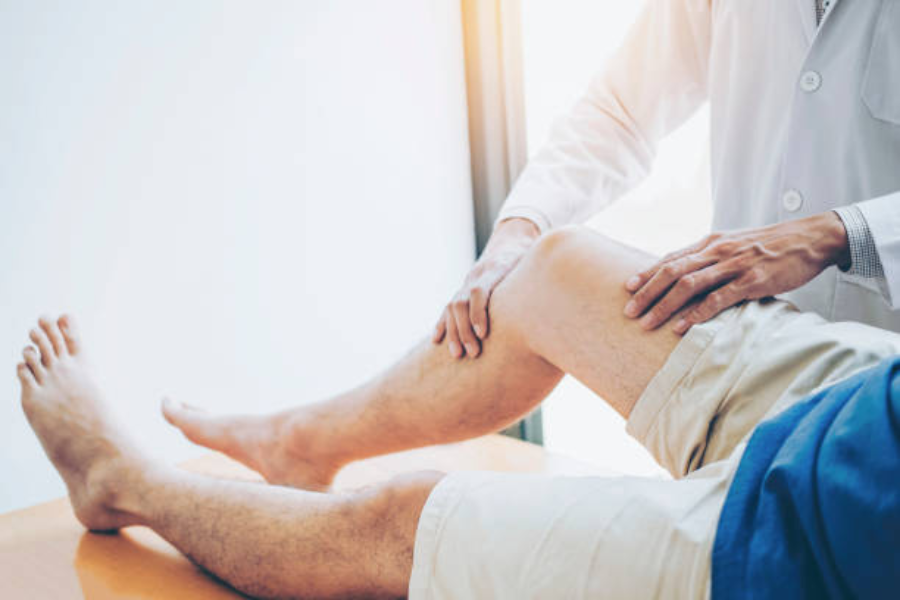
Joint Cartilage is easy to forget about until a joint starts behaving differently. This smooth, resilient tissue covers the ends of your bones, letting them glide against each other with remarkably little friction.
During midlife, joint cartilage undergoes gradual biological changes. Its water content, collagen network, and ability to handle repeated mechanical stress all shift over time, and surrounding joint tissue changes right along with it.
None of this means everyone develops cartilage problems. Some people keep comfortable joints for decades, while others notice stiffness or clicking much earlier. Cartilage doesn’t just disappear overnight either, joint changes develop through a mix of tissue biology, mechanical loading, inflammation, muscle strength, and aging combined. Recognizing early changes helps you pay closer attention to how a joint actually moves and responds, instead of dismissing every ache as simply getting older.
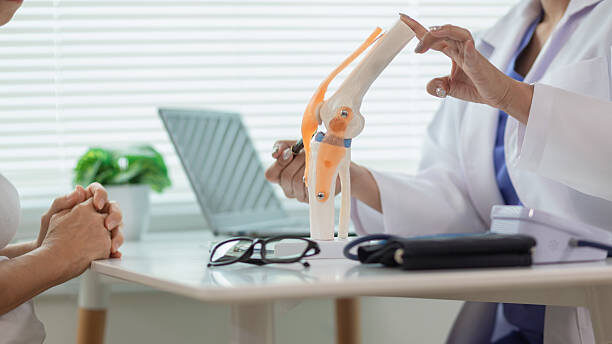
Signs Of Joint Cartilage Changes
1. Knees or Hips Make More Clicking or Grinding Sounds (Crepitus)
A new clicking or grinding sound makes you wonder if your joint cartilage is wearing away, but joint cartilage noises are genuinely more complicated than that.
Some sounds come from harmless pressure changes inside the joint, small gas bubbles form and collapse within synovial fluid, creating a pop or crack. Tendons and ligaments moving across nearby structures can produce a similar snap. Grinding sensations, known clinically as crepitus, have several possible causes, changes to the cartilage surface can alter the normally smooth movement between joint structures, but noise alone doesn’t prove joint cartilage damage has occurred.
Your knees and hips are built to handle repeated loads, yet cartilage gradually changes with age, previous injury, and body weight, and as that tissue becomes less effective at distributing force, some people notice discomfort alongside stiffness or swelling. That combination matters far more than the sound itself, a painless click present for years is nothing like a new grinding sensation paired with real pain. Persistent joint pain, swelling, or difficulty bearing weight genuinely deserves medical evaluation.
2. Certain Movements Begin Causing More Discomfort
Certain movements become noticeably less comfortable when a joint stops handling mechanical stress as efficiently as it once did. Squatting, climbing stairs, or getting up from a chair may start feeling genuinely different than before.
Healthy joint cartilage provides a smooth surface over bone ends and helps spread load across the joint during movement, reducing stress on any single area. Cartilage gradually changes with age and repeated mechanical loading though, becoming less resilient as underlying bone and joint structures adapt to long-term stress, and previous injuries or muscle weakness add to that burden considerably.
Discomfort here doesn’t necessarily mean severe cartilage damage either, pain can come from several tissues around a joint, the synovial lining, ligaments, tendons, and muscles among them. The useful clue is a persistent pattern, if one specific movement repeatedly causes pain or reduced function, the joint likely isn’t tolerating that load the way it once did. That’s genuinely different from occasional soreness after an unusually demanding day.
3. Movement Starts Feeling Less Smooth
A healthy joint cartilage is built for remarkably smooth movement. Joint cartilage provides a low-friction surface over bone ends, while synovial fluid lubricates and nourishes the entire joint continuously.
As joint cartilage changes, that smooth mechanical system becomes less efficient, the joint cartilage surface can develop subtle irregularities, and its ability to absorb and distribute load may decline over time. You might notice this as stiffness or a rough sensation, the knee feeling different while bending, or a hip that seems less fluid during a longer walk than it used to be.
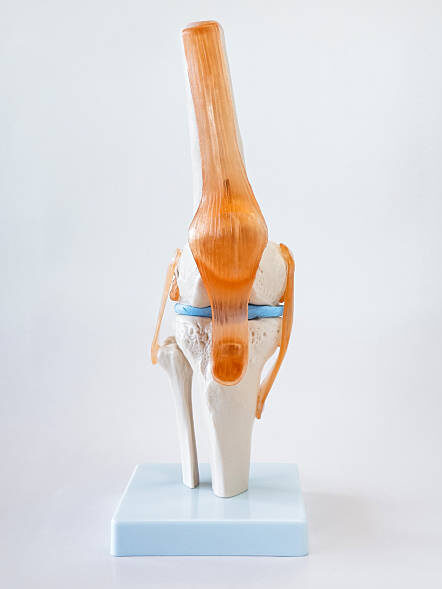
That sensation alone doesn’t confirm significant cartilage damage though, muscles, tendons, ligaments, and joint fluid all contribute to how movement actually feels day to day. Age is only one factor here, previous injury, repeated high joint loading, and muscle weakness all influence joint mechanics too. The real clue is a persistent change in movement quality, not the occasional stiff day but a joint that regularly feels rough or restricted during completely ordinary activities.
4. Joints Feel Stiffer After Sitting for a While
Stiffness after sitting for a long stretch is often one of the earliest changes people notice in their joints. Knees, hips, and ankles feel tight for the first few steps, then gradually loosen as movement resumes naturally.
A joint normally contains synovial fluid, which reduces friction and supports the cartilage surface, and cartilage itself has a specialized structure that helps distribute pressure as the joint moves through its range. Long periods of inactivity make a joint feel temporarily less mobile, movement helps circulate that synovial fluid across joint surfaces and gets surrounding muscles working again.
As joint cartilage and surrounding tissue change with age, that stiffness often becomes more noticeable, and previous injury, inflammation, or conditions like osteoarthritis can contribute further. The important clue is the pattern here, brief stiffness that eases within minutes of movement is completely common, but stiffness that persists, lasts longer, or arrives with swelling deserves real attention. Cartilage doesn’t simply dry out from sitting, the joint is a living system that depends on fluid, muscle, and tissue working together.
5. Range of Motion Starts Becoming More Limited
A joint cartilage that no longer moves as freely as it once did is a genuinely important change to notice. Reaching overhead, bending a knee fully, or rotating a hip may gradually become more difficult without you realizing it happened.
Cartilage creates smooth contact between bone ends, but it’s only one part of normal joint movement, the joint capsule, synovial tissue, ligaments, and surrounding muscle all contribute to your actual range of motion. Changes in cartilage alter how forces move through the joint, and in conditions like osteoarthritis, cartilage damage occurs alongside changes in underlying bone and joint lining, producing stiffness and increasingly restricted movement together.
Pain also causes your body to limit movement automatically, you might unconsciously avoid a position because it feels uncomfortable, which leads to further stiffness over time as a result. Age alone doesn’t explain every loss of mobility either, previous injury, inflammation, and inactivity all play a role. A gradual reduction in range of motion is different from sudden inability to move, and severe pain or major loss of movement should be medically evaluated right away.
6. Symptoms Become More Noticeable After Repeated Joint Loading
A joint may feel completely fine during ordinary movement but grow uncomfortable after repeated loading. Walking for long periods, climbing many stairs, or standing for hours all place repeated mechanical stress directly on the joint.
Cartilage normally distributes these forces across the joint surface, its structure allows it to absorb and spread load rather than letting pressure concentrate in one small area. With age, previous injury, or excess body weight, that tissue becomes less able to tolerate repeated stress, developing structural changes while surrounding joint lining and bone become involved too.
This creates a familiar pattern, you feel fine at first, then notice aching or stiffness as the activity continues, easing again after rest. That pattern doesn’t automatically mean cartilage gets damaged every single time the joint is used though, movement remains genuinely important for joint function, and avoiding activity entirely creates its own problems. The real concern is a consistent change in tolerance, if ordinary activities repeatedly produce pain that wasn’t there before, the joint likely needs a closer look.
7. Joint Pain or Stiffness Starts Affecting Everyday Activities
The most meaningful sign isn’t always how a joint feels during an exam, sometimes it’s simply the effect discomfort has on ordinary daily life.
You might start avoiding stairs, walking shorter distances, or changing how you bend and reach without fully noticing the shift happening. When joint cartilage and surrounding tissue change, movement mechanics change too, pain often causes you to move differently to protect the joint, and over time those compensation patterns place extra demand on nearby muscles and joints entirely.
Reduced activity creates another problem here, if you move less because a joint hurts, surrounding muscles weaken, and less muscular support makes the joint feel even less stable. This doesn’t mean every stiff joint involves significant cartilage damage, symptoms can come from tendons, ligaments, muscle, and bone just as easily. The useful clue is a lasting change in function, when joint discomfort starts interfering with walking or exercising, it deserves real attention rather than being written off as ordinary stiffness.
Conclusion
Joint cartilage doesn’t suddenly vanish the moment you hit midlife. It’s living tissue that gradually changes in structure and function as the years pass, responding to biology and mechanical stress in equal measure.
Those changes affect how a joint handles pressure, movement, and repeated loading. Stiffness after sitting, rougher movement, reduced range of motion, unusual joint sounds, and discomfort after repeated activity can all appear along the way, sometimes together, sometimes one at a time.
But cartilage is only one part of the joint story. Muscles, tendons, ligaments, synovial tissue, and bone all shape how a joint feels and performs day to day, which is exactly why joint pain shouldn’t get blamed on aging or cartilage alone. Persistent swelling, significant pain, or a noticeable loss of function deserves proper medical evaluation rather than a shrug.
Healthy aging was never about keeping every joint exactly as it was at 25. It’s about maintaining as much comfortable movement as possible, and paying attention to early changes can help you respond before discomfort quietly starts controlling your everyday movement instead of the other way around.