It has an almost entirely bad reputation. It gets blamed for heart attacks, clogged arteries, and pretty much every food people feel guilty about eating.
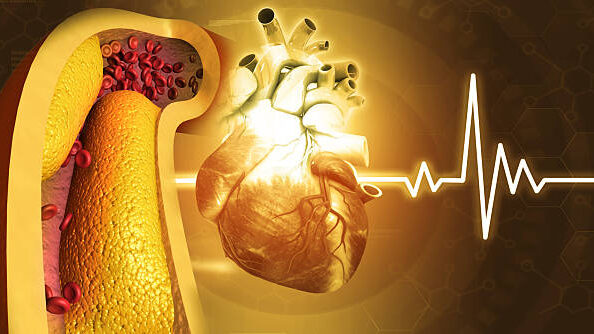
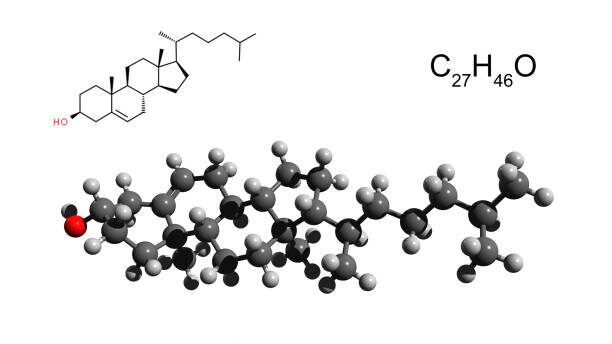
But itself only isn’t the enemy. Your body genuinely needs it to build cells, make hormones, and run other essential functions. The real problem is having unhealthy levels of specific particles, especially LDL , which contributes to plaque buildup inside your arteries over time.
The confusing part is how much misinformation surrounds cholesterol. Some myths make people needlessly afraid of healthy food. Others create false confidence and delay testing or treatment that could matter. High cholesterol is also silent by nature, you can feel completely fine while your levels quietly climb. Knowing fact from myth here genuinely changes how you eat, what you ask your doctor, and how seriously you take your heart health.

Common Myths
1. All Cholesterol Is Bad for You
It gets talked about like something your body should eliminate entirely. That’s simply not true. Your body needs cholesterol to build cell membranes, make certain hormones, and support digestion.
The confusion comes from treating every cholesterol number as if it means the same thing. LDL earns the “bad” label because higher levels contribute to plaque buildup inside arteries (atherosclerosis), raising your risk of heart attack and stroke over time. HDL gets called “good” because it helps carry cholesterol back to your liver for processing, but a high HDL number doesn’t cancel out other cardiovascular risks you might be carrying.
The goal was never eliminating cholesterol entirely, it’s maintaining a healthier overall lipid profile. Diet, activity, weight, genetics, age, and smoking all shape your levels, and some people need medication based on their broader risk profile. It isn’t the villain here, unhealthy levels of specific types are.
2. Eating Cholesterol-Rich Food Automatically Raises Blood Cholesterol
Eating foods containing cholesterol doesn’t automatically send your blood cholesterol soaring. The relationship is a lot more complicated than that.
For most people, saturated and trans fat actually affects LDL cholesterol more than dietary itself does. Fatty meat, butter, and full-fat dairy contribute significant saturated fat, which matters more than the it content of any single food. Eggs are the classic example of this confusion, they contain dietary cholesterol, but an egg-heavy breakfast doesn’t automatically cause dangerously high blood cholesterol. Individual responses genuinely differ, and your overall eating pattern matters far more than any one food.
A heart-conscious diet focuses on replacing saturated fat with unsaturated fat instead, nuts, fish, avocado, and olive oil all fit that approach well. Genetics plays a major role too, some people naturally run higher regardless of diet, while others see big shifts from dietary changes alone. The smarter move isn’t fearing every cholesterol-containing food, it’s looking at your whole diet and the types of fat you’re actually eating.
3. Lowering Means Avoiding All Fat
The idea that all fat hurts your cholesterol is just wrong. Cutting every source of dietary fat makes your diet less nutritious without necessarily improving your numbers at all.
The real issue is fat type. Saturated fat, found in fatty meat and full-fat dairy, raises LDL. Trans fat is worse and should generally be avoided altogether. Unsaturated fat tells a completely different story, olive oil, avocado, nuts, and fatty fish provide healthier fat that fits naturally into a heart-conscious diet.
Replacing saturated fat with unsaturated fat helps more than eliminating fat entirely ever could. A meal built around vegetables, beans, and olive oil looks nutritionally nothing like one built around fried or heavily processed food. Portion size still matters since all fat is calorie-dense, but turning your kitchen into a fat-free zone was never the answer. Lowering LDL cholesterol comes down to smarter fat choices, not fearing fat itself.
4. High HDL Always Cancels Out High LDL
It doesn’t. A high HDL number can’t simply erase the danger that comes with high LDL cholesterol, and that popular belief gives people false confidence about their heart health.
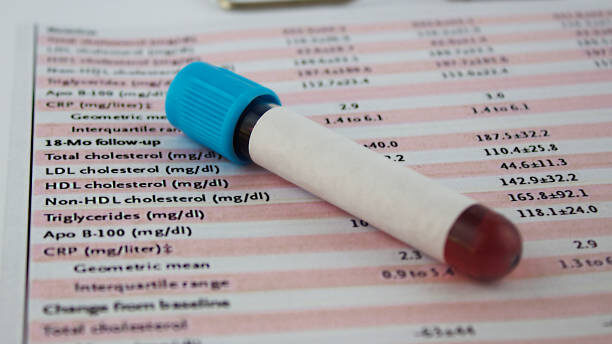
HDL earns its “good” reputation because it helps carry cholesterol back toward your liver, but it doesn’t act like a shield against LDL. When LDL stays high, cholesterol still accumulates inside artery walls and contributes to plaque formation regardless of your HDL number. You can genuinely have a high HDL level and still face real cardiovascular risk from elevated LDL, especially alongside blood pressure issues, diabetes, or smoking.
The goal isn’t maximizing HDL and hoping it saves you. The management puts far more emphasis on lowering harmful LDL and assessing your overall cardiovascular risk together. A heart-conscious lifestyle still matters here, regular activity and avoiding tobacco genuinely help. One good number doesn’t cancel out another that needs real attention.
5. Once Improves, It Stays Improved
Better cholesterol numbers today don’t guarantee better numbers forever. It rises again when your diet, weight, activity, or medication changes shift over time.
You might improve LDL cholesterol through healthier eating, exercise, or prescribed medication, and those improvements are genuinely valuable, but they usually depend on continuing whatever produced them in the first place. Genetics plays a role here too, some people naturally see levels climb again despite doing everything right. Age adds another layer, since cholesterol and cardiovascular risk shift over the years, making periodic monitoring worthwhile even after a reassuring test.
None of this means obsessing over every number. A sustainable routine beats short-term perfection every time. Eating more fiber, choosing healthier fat, staying active, and taking medication as prescribed all support healthier levels long term. Never stop a prescribed medication just because a test improved, that improvement might actually mean the treatment is working exactly as intended.
6. Normal Means Your Heart Is Completely Safe
A normal cholesterol test doesn’t guarantee a healthy heart. Cholesterol matters, but it’s only one piece of a much bigger cardiovascular picture.
You can have perfectly acceptable cholesterol numbers while carrying other major risk factors, high blood pressure, smoking, diabetes, excess weight, and family history all raise cardiovascular risk independently. There’s also more to cholesterol than one total number, LDL, HDL, and triglycerides all provide different information, and doctors typically weigh these results alongside your age and overall history.
A normal result is genuinely good news, it means nothing obvious showed up at that particular moment. It just shouldn’t be mistaken for a full heart-health report. Healthy habits still matter after a reassuring blood test, regular exercise and managing blood pressure and blood sugar all protect your cardiovascular system regardless of what one lipid panel says. True heart protection comes from the whole risk picture, not one favorable number.
7. A Healthy Lifestyle Can Always Replace Medication
A healthy lifestyle is genuinely powerful, but it can’t always replace cholesterol medication. For some people, diet and exercise make a massive difference. For others, genetics or existing cardiovascular risk keeps LDL cholesterol high no matter how many things they do right.
Familial hypercholesterolemia is a clear example, an inherited condition causing very high LDL levels from an early age, where lifestyle changes alone are unlikely to bring numbers down enough on their own. Medication also gets recommended for people with established heart disease or a sufficiently high overall risk, where lowering LDL provides protection lifestyle changes simply can’t match alone.
That doesn’t make lifestyle changes less important though. A nutritious diet and regular activity still support cardiovascular health meaningfully. The two approaches genuinely work best together, medication addresses its directly while lifestyle habits improve everything around it. Never stop a prescribed cholesterol medicine just because your diet improved or you feel healthy, that decision belongs with your doctor and your actual test results.
8. Always Causes Noticeable Symptoms
High cholesterol quietly damages your arteries without causing a single obvious symptom, which is exactly what makes this myth dangerous.
You can feel energetic, exercise regularly, and have zero chest discomfort while LDL gradually contributes to plaque buildup inside your arteries the entire time. High cholesterol itself typically creates no warning sensation at all. Symptoms sometimes appear only after related artery disease has already developed, chest pressure or shortness of breath can signal a cardiovascular problem, but these aren’t direct symptoms of high cholesterol itself.
That’s exactly why blood testing matters so much. A lipid panel measures your cholesterol even when you feel completely normal, and your doctor considers those numbers alongside blood pressure, diabetes, and family history together. A healthy appearance never guarantees healthy cholesterol, genetics and certain medications can push levels up regardless of how good your lifestyle looks. Waiting for symptoms is a genuinely poor strategy here, a simple blood test reveals the problem long before your body ever complains.
9. Thin People Don’t Need to Worry
A slim body doesn’t automatically mean healthy cholesterol. High cholesterol affects people of every body size, and relying on appearance alone creates a genuinely dangerous false sense of security.
Genetics has a powerful influence here, familial hypercholesterolemia causes very high LDL even in people who eat well and maintain a healthy weight their entire lives. Diet and activity still matter, but they’re not the only pieces of this puzzle, age, medical conditions, and inherited traits all shape blood cholesterol independently of body size.
You can have normal blood pressure, exercise regularly, and look genuinely fit while still carrying an elevated LDL level underneath it all. Without an actual blood test, there’s no reliable way to know cholesterol levels just by looking at someone. This doesn’t mean thin people should panic, it means body size was never the right measure for whether cholesterol deserves attention. Regular checkups and lipid testing reveal problems that appearance simply never will.
10. Statins Are Only for People Who Already Had a Heart Attack
Statins aren’t reserved only for people who’ve already had a heart attack. They’re also prescribed to reduce the risk of a first heart attack or stroke in people whose overall cardiovascular risk runs high enough already.
Statins work mainly by lowering LDL. For someone with established cardiovascular disease, they reduce the chance of another event, but prevention is just as important a reason doctors prescribe them in the first place. A statin gets considered for very high LDL, certain inherited disorders, diabetes in appropriate age groups, or a sufficiently high estimated cardiovascular risk overall.
The decision was never based on cholesterol alone, doctors weigh age, blood pressure, smoking status, and family history together before recommending treatment. Lifestyle habits remain genuinely important throughout, but they don’t always lower LDL enough on their own, especially when genetics plays a significant role. Statins aren’t right for everyone, and nobody should stop a prescribed statin just because they’ve never had a heart attack, the point of treatment isn’t only fixing yesterdays problem, it’s preventing tomorrows.
Conclusion
Cholesterol myths sound harmless enough, but some genuinely lead to poor decisions about your heart health. Believing all cholesterol is bad, that thin people are automatically safe, or that high HDL cancels out high LDL all create a false sense of security that can cost you real time.
A normal result is encouraging, but it doesn’t make your heart completely risk-free, blood pressure, blood sugar, smoking, and family history all still matter alongside it. Lifestyle changes can’t always replace medication either, some people carry inherited cholesterol disorders or cardiovascular risks that genuinely need additional treatment, and statins were never just medicine for people who already had a heart attack. The smartest approach here is neither fear nor complacency, regular testing and honest conversations with your doctor keep cholesterol in real perspective before a silent problem becomes a serious one.