A noisy knee sounds alarming, especially when those cracks seem to show up more often as you get older. But the sound itself doesn’t always mean something’s actually wrong underneath.
Knees click, pop, or crack for several ordinary reasons in knees, gas bubbles shifting inside joint fluid, tendons moving slightly over nearby structures, or changes in cartilage and muscle strength making familiar sounds more noticeable over time. The important distinction is between noise and real symptoms, cracking knees without pain or swelling are usually far less concerning than a knee that’s suddenly noisy and unstable together. Age changes the tissues around your knee, making certain sounds easier to notice, and previous injuries or osteoarthritis can contribute too. Here are seven genuine reasons behind noisier knees as you age.

Real Reasons For Cracking Knees
1. Gas Bubbles Can Make a Joint Pop or Crack
The simplest explanation for cracking knees happens inside the joint itself. Your knee is surrounded by synovial fluid, a slippery liquid helping joint surfaces move with less friction, and that fluid contains dissolved gases too.
When your knee bends or changes position, pressure inside shifts, tiny gas-filled spaces form or rapidly change size within the fluid, producing that familiar popping sound. This is called cavitation, and it happens in completely healthy joints regularly, the sound seems loud simply because your knee sits close to your skin’s surface.
A crack from gas movement doesn’t mean cartilage is wearing away at all, many people have noisy joints without meaningful damage. Cracking without pain, swelling, or instability is generally far less concerning than a new sound appearing alongside those changes, and getting older often just means noticing sounds that have always been there.
2. Stiff Muscles and Tendons Change How Your Knee Moves
Your knee doesn’t move by itself, muscles, tendons, and ligaments guide its motion with every single step you take throughout the day.

When muscles become tight, the way your knee moves changes, a tendon glides differently across nearby structures, producing a noticeable click or pop during bending. Your quadriceps and hamstrings influence how the knee gets positioned, reduced flexibility here subtly alters the forces passing through the joint, becoming especially noticeable after long periods sitting still.
A noisy tendon doesn’t automatically indicate damage though, often the sound comes from a normal structure moving through a slightly different path than before. Regular mobility work and strength exercises help maintain better movement control, but persistent pain, swelling, or a feeling that the knee is giving way genuinely deserves professional evaluation.
3. Previous Injuries Can Leave Your Knee Making More Noise
A knee injury sometimes leaves sounds behind long after the original pain has completely faded away. Damage to the meniscus or ligaments changes how the knee moves, even after healing fully.
A torn meniscus alters the smooth movement between bones, and changes in ligament stability affect how the joint tracks during walking or climbing stairs specifically. Scar tissue contributes too, your body repairs injured tissue, but the repaired area often has a different texture or movement pattern than the original structure ever did.
Previous injuries can accelerate joint surface changes over time, raising the risk of post-traumatic osteoarthritis later, particularly after significant damage. Still, a new crack doesn’t mean an old injury has returned, pain, swelling, locking, or a sudden change in function are the real warning signs worth evaluating, not the noise alone.
4. Cartilage Becomes Less Smooth With Age
Cartilage gives your knee its smooth, low-friction surfaces, covering bone ends and helping them glide comfortably during walking and everyday bending motions throughout your life.
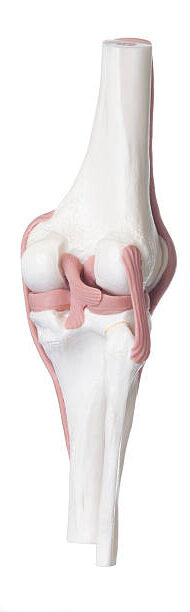
With age, cartilage changes structurally, its surface can develop small irregularities that weren’t there before. As your knee bends and straightens, slightly rougher surfaces produce clicking or grinding sensations that feel new but often aren’t dangerous at all.
This doesn’t mean every noisy knee has significant cartilage damage, cartilage naturally changes throughout adulthood and cracking knees occur in people with little or no pain regularly.
More concerning changes involve persistent pain, swelling, or reduced range of motion beyond the sound itself. Cartilage has limited ability to repair itself, making healthy movement and maintaining a healthy weight genuinely useful for long-term joint function.
5. Weak Leg Muscles Put More Stress on the Knee
Muscles around your knee do more than create movement, they control how the joint actually handles everyday forces during walking, squatting, and standing.
Your quadriceps and hip muscles work together stabilizing the leg, and when these muscles weaken, the knee has less muscular support during those daily activities. That changes movement patterns, you shift weight differently, and muscle weakness makes normal joint sounds more noticeable as the knee moves with less overall control.
Strength naturally becomes harder to maintain with age, especially with declining activity, and long periods of sitting accelerate that process considerably over time. The good news is muscle strength often improves with appropriate exercise, walking and resistance work can strengthen the muscles supporting your knee directly, though persistent pain or instability still deserves evaluation.
6. Osteoarthritis Can Make Knee Sounds More Noticeable
Osteoarthritis changes the knee in ways that make clickingor grinding sounds considerably easier to notice than before. The condition develops when tissues helping a joint move smoothly become damaged over years.
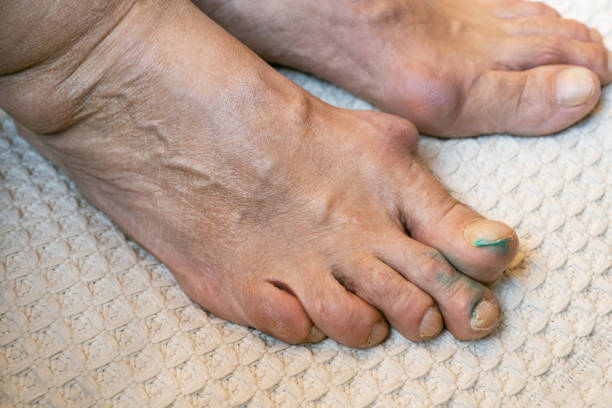
As joint surfaces change, movement produces more crepitus, the medical term for cracking or grating sensations around a joint specifically.
Bone changes too, small bony growths called osteophytes sometimes develop around joint edges, further altering how the knee actually moves.
Noise alone doesn’t tell you how severe osteoarthritis is, some people have significant joint changes with surprisingly little discomfort while others experience real pain with modest findings. Persistent pain, stiffness, or difficulty climbing stairs matter far more than the sound itself, and cracking knees don’t automatically mean osteoarthritis, but the condition does make normal sounds more noticeable overall.
7. Moving More Can Sometimes Quiet Noisy Knees
A noisy knee doesn’t always need fixing, sometimes the better approach is simply giving the joint a chance to move more comfortably throughout your day.
Long sitting periods leave your hips and knees feeling stiff, and after staying still, the first few movements often produce more clicking or a rough sensation than usual. Regular movement maintains flexibility and keeps muscles around the knee working effectively, walking and appropriate strength training both support better joint function considerably over time.
Strong muscles help control the forces passing through your knee directly, making stairs and squatting feel noticeably smoother. Movement won’t necessarily make every sound disappear completely, some cracking is simply a normal feature of the joint even when it’s strong and healthy. Starting gradually beats jumping into intense exercise, and real symptoms still deserve professional evaluation.
Conclusion
Cracking knees sound far more serious than they actually usually are. In most cases, the noise comes from harmless changes in pressure, synovial fluid, or normal movement happening inside the joint itself.
Age makes these sounds more noticeable naturally, cartilage becomes less smooth, muscles lose some strength, and previous injuries leave lasting changes in how a knee moves over the years. Osteoarthritis is another possibility too, particularly when cracking arrives alongside real pain or reduced movement, though noise alone remains an unreliable measure of actual joint damage.
The more useful goal is keeping your knee functional, regular movement, appropriate strength training, and maintaining a healthy weight all support the muscles and tissues surrounding the joint long term. You don’t need silent knees to have healthy ones, the real concern is a genuine change in comfort or function, not the sound of cracking knees on their own.