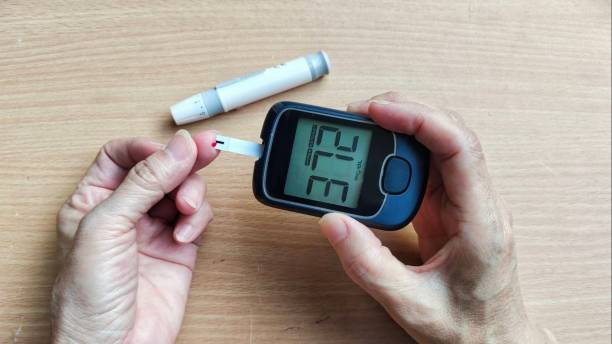
Diabetes risk rarely comes from one bad meal. It usually builds slowly through habits repeated for years, the foods you reach for, how big your portions get, even when you eat.
Some of these habits are easy to miss. Sugary drinks don’t feel like food. Refined carbs seem harmless when they show up at every meal. Portions creep up without anyone noticing, and low-fiber meals leave you hungry again way too soon.
Age changes the picture too. In midlife, keeping a healthy weight, staying active, and supporting insulin sensitivity all start mattering more. None of these habits guarantee you’ll develop diabetes, genetics, activity, sleep, and other factors matter just as much. But small changes to how you eat can meaningfully lower your diabetes risk over time, and recognizing these patterns is a solid place to start.

Diabetes Risking Habits
1. Building Meals Around Refined Carbs
White bread, pastries, sugary cereal, and crackers become staples without seeming unhealthy at all. The real problem is they lack fiber and break down into glucose fast.

A meal built mostly around refined carbs spikes your blood sugar quickly. Repeat that pattern often enough and your body has to release more insulin just to move glucose out of your bloodstream. The bigger issue is usually your overall pattern, not one meal. Sweet cereal for breakfast, a white-bread sandwich at lunch, and refined grains at dinner adds up to a lot of carbs and very little fiber, protein, or vegetables.
Swap some of those refined choices for whole grains, beans, lentils, and vegetables instead. Pairing carbs with protein and healthy fat also slows digestion and keeps you fuller longer. Refined carbs don’t need to disappear entirely, the goal is just not making them the foundation of every single meal. A more balanced plate genuinely lowers your diabetes risk while giving your body steadier fuel throughout the day.
2. Letting Portions Slowly Grow
Portions grow so gradually you barely notice. An extra scoop here, a bigger takeout order there, none of it seems significant alone, but repeated often enough it adds up to real weight gain over time.
Extra body fat, especially around your belly, is tied directly to insulin resistance, meaning your cells stop responding to insulin the way they should. That makes it harder to keep blood sugar in a healthy range, which is exactly what drives up diabetes risk long term.
This isn’t about one big meal occasionally, it’s about consistently eating more than your body actually uses. Calorie-dense food in large portions makes that incredibly easy without ever feeling truly full. Try a normal-sized plate and actually pay attention to hunger and fullness cues. Vegetables, beans, and lean protein add real volume without relying on calorie-dense filler. You don’t need to measure every bite forever, just get familiar with what a reasonable portion actually looks like.
3. Skipping Fiber While Piling on Carbs
Carbs aren’t automatically a problem, but the type matters a lot. Meals loaded with bread, rice, or pasta without much fiber tend to be less filling and hit your blood sugar harder.
Fiber changes how carbs digest. It slows things down, adds bulk, and keeps you satisfied longer, and soluble fiber specifically helps support healthier blood glucose. A typical low-fiber day looks ordinary enough, toast for breakfast, white rice for lunch, pasta for dinner, plenty of carbs but almost no fiber anywhere.
Adding fiber doesn’t mean giving up carbs at all. Brown rice, oats, beans, lentils, and berries deliver both carbs and fiber together. Increase your fiber gradually and drink enough water as you go to keep digestion comfortable. Diabetes risk depends on plenty of factors beyond diet, but swapping in fiber-rich carbs consistently makes a real, measurable difference in blood sugar control.
4. Drinking Sugar Without Counting It as Food
A sugary drink disappears in minutes and barely fills you up. Soda, sweetened tea, and energy drinks pack in a surprising amount of sugar while feeling more like a beverage than an actual meal component.
That makes liquid calories incredibly easy to overlook. You might eat a genuinely balanced lunch and still add a huge sugar load through what you’re drinking alongside it. Do that regularly and your total calorie intake climbs without you really noticing.
Regularly drinking sugary beverages is directly tied to higher diabetes risk. Frequent blood sugar spikes combined with extra calories drive the exact metabolic changes that lead to insulin resistance. Water covers most of your hydration needs just fine. Unsweetened tea and sparkling water add variety without the sugar hit. An occasional sweet drink isn’t the issue, making it a daily habit is.
5. Making Processed Food Your Default
Packaged food makes busy days easier, but leaning on it for most meals creates a metabolic pattern working against you. A lot of processed food combines refined grains, added sugar, and unhealthy fat into one convenient package.
Not every packaged food is bad, some are genuinely nutritious and convenient. The real problem is when pastries, chips, and processed meat regularly replace vegetables, whole grains, and other minimally processed food. That pattern makes it easy to overeat while getting less fiber and fewer real nutrients, and over time excess calories and weight gain both drive up diabetes risk.
Build most meals around whole or minimally processed food instead, vegetables, beans, eggs, fish, and lean protein all deliver more fiber and staying power. Convenience still has a place, frozen vegetables and canned beans make healthy eating genuinely easier. The goal isn’t a perfect kitchen, just making nutrient-rich food your usual default instead of the exception.
6. Turning Late-Night Eating Into a Habit
Late-night eating isn’t automatically bad, but making it a nightly routine works against healthy metabolic function. It’s often tied to TV, stress, or boredom rather than actual hunger.
Snacks eaten purely out of habit add calories your body doesn’t need, especially when they’re sweets or chips. Heavy meals close to bedtime can also disrupt sleep, and poor sleep makes managing appetite and food choices even harder the next day, another quiet contributor to diabetes risk over time.
A consistent eating schedule helps a lot of people here. Finishing dinner earlier, keeping satisfying food on hand, and separating snacking from screen time all make late-night grazing less automatic. There’s no need for a strict cutoff hour, some people genuinely need an evening snack. The point is just making it a choice again instead of a nightly reflex.
Conclusion
Diabetes risk rarely comes down to one meal or one ingredient, it reflects patterns that quietly repeat for months and years. Refined carbs, oversized portions, low-fiber meals, sugary drinks, and processed food can all work against healthy blood sugar, and habitual late-night eating adds another layer on top, especially paired with poor sleep.
None of this guarantees diabetes, genetics, activity, sleep, and other health factors all play a real role too. But eating habits can genuinely change, and small shifts toward fiber-rich food, reasonable portions, and fewer sugary drinks build a real foundation against long-term diabetes risk. There’s no need for a perfect diet, just consistent, realistic choices that actually stick.