Some warning signs are impossible to ignore. Others blend into everyday life so smoothly that nobody notices them until much later.
A little more thirst. An extra trip to the bathroom. A wave of afternoon fatigue that seems to come out of nowhere. Most people blame a busy schedule, or a bad night’s sleep, or just getting older. Then the small changes start showing up more often, closer together, harder to explain away with the usual excuses.
High blood sugar rarely announces itself with anything dramatic. It builds quietly, over weeks or months, leaving small clues along the way. The trick is knowing which of those clues actually deserve attention and which ones are just part of an ordinary busy life. The seven signs below are some of the most common early markers, the kind of thing doctors hear about again and again once someone finally gets a diagnosis and looks back at what led up to it.
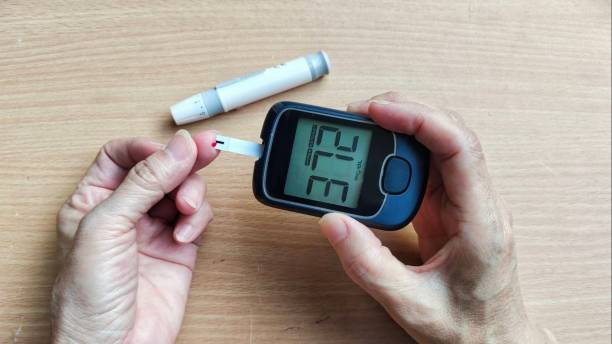
Warnings Of Higher Blood Sugar
1. Water Never Feels Like Enough
A glass of water helps for a few minutes, then the thirst comes right back. Another bottle follows. Then another, and it starts to feel strange how little relief any of it brings.
High blood sugar pulls extra fluid from the body’s tissues, and the kidneys have to work harder to flush out the excess glucose through urine. That process leaves the body losing more water than it normally would, which makes dehydration much easier to slip into without realizing it.
Heat and exercise can cause thirst too, of course, and so can salty food or too much coffee. But this kind of thirst lingers no matter how much water you drink, and it doesn’t really let up even after a full glass or two. Many people brush it off for months, assuming they just need to drink more, before the pattern finally gets their attention.
2. Meals Stop Feeling Filling
A full plate should leave a person satisfied for a few hours at least. Instead, hunger creeps back within the hour, sometimes even sooner. Breakfast barely lasts until midmorning, and lunch feels like a distant memory by three in the afternoon.
When blood sugar runs high, glucose has trouble making its way into the cells where it’s actually needed, so it lingers in the bloodstream instead of turning into usable energy. The cells respond the only way they know how, by signaling that they still need fuel, even when there’s already plenty of food sitting in the stomach.
Most people chalk this up to a fast metabolism, or stress eating, or just having an appetite that day. The real explanation is often happening somewhere much deeper, inside the way the body is processing sugar in the first place, and it tends to keep repeating instead of going away on its own.
You can also prefer this link to know about “weak or slow Metabolism“
3. Afternoon Energy Disappears
The day usually starts fine. Lunch comes and goes without much thought. Then, sometime around two or three in the afternoon, the energy just isn’t there anymore, and no amount of willpower seems to bring it back.
There may be plenty of glucose circulating in the bloodstream, but the cells can’t always put it to use the way they should. Without a steady supply of usable fuel, concentration starts to slip, and even simple tasks begin to feel like more effort than they’re worth. Another cup of coffee helps for a little while, then wears off faster than it used to.
A busy schedule can certainly explain some fatigue, and so can a poor night of sleep. But a crash that repeats itself day after day, at roughly the same time, is worth a second look rather than another cup of coffee.
4. More Trips to the Bathroom
A few extra visits to the bathroom don’t seem like much at first. Then they start happening every single day, and nights get interrupted too, sometimes more than once.
The kidneys are working overtime filtering out extra glucose from the blood, and water follows that glucose right into the urine. More urination means more fluid lost overall, which feeds directly back into more thirst, creating a cycle that keeps repeating itself.
People often blame this on getting older, or on drinking too much water before bed, or on a new medication. Those explanations aren’t always wrong, but they aren’t always the full story either, especially when the pattern has been building for a while.
5. Small Cuts Take Longer to Heal
A small nick from chopping vegetables. A scrape from working in the garden. Normally these fade within a few days without much thought given to them at all. With high blood sugar circulating in the body, that healing process can slow down considerably.
Extra glucose damages the small blood vessels over time, cutting off some of the blood flow that would otherwise carry nutrients and immune cells to the site of an injury. A cut that should close up within a week can end up staying red, tender, and open for much longer than expected, and it becomes more prone to infection the longer it lingers.
One slow healing scrape on its own isn’t necessarily a red flag. Several of them happening around the same time, though, especially paired with some of the other signs on this list, is worth paying closer attention to.
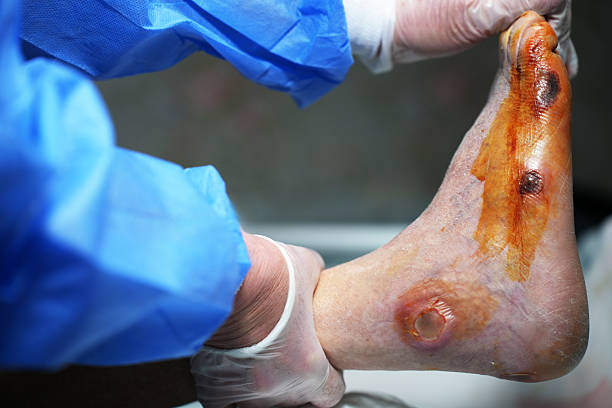
And it known as the delay or slow healing process associated with high blood sugar is referred to medically as impaired wound healing or delayed wound healing.
In severe or chronic cases, these slow-healing sores are commonly called diabetic ulcers or chronic wounds
6. The World Looks Slightly Out of Focus
Words on a screen start getting harder to read. Street signs lose some of their sharpness. Even a familiar face across the room can look a little blurry for reasons that aren’t obvious at first.
Rising glucose levels can cause the eye’s natural lens to swell slightly, which makes it harder for the eye to focus the way it normally would. Many people assume they simply need a new glasses prescription, or blame tired eyes after a long day staring at screens.
Blurred vision that comes and goes, rather than staying consistent, deserves more attention than most people give it, especially when it shows up alongside thirst or frequent bathroom trips.
7. Pins and Needles Become Routine
A light tingling in the toes after sitting too long. A faint buzz in the fingertips that fades after a minute or two. Easy enough to shrug off the first few times it happens.
Over time, high blood sugar can gradually damage the small nerves that carry signals throughout the body, usually starting in the hands and feet since they sit farthest from the spine. Some people describe the sensation as pins and needles, while others notice burning, numbness, or something closer to a crawling feeling just beneath the skin.
It shouldn’t be brushed aside for too long, especially once it starts showing up on a regular basis instead of just once in a while.
Conclusion
High blood sugar rarely shows up without some kind of warning. The clues just tend to look ordinary at first glance: a little extra thirst, a tired afternoon, a scrape that won’t heal, blurry vision blamed on a long day at work. Any one of these signs on its own is easy enough to explain away with something else entirely. Taken together, though, they start to tell a very different story, one the body has likely been trying to tell for quite some time already.
None of this means panicking over every dry mouth or slow afternoon at the office. It means paying closer attention when the same pattern keeps repeating itself week after week. A simple blood sugar test can answer in a matter of minutes what weeks or months of guessing never will, and catching the problem early is usually what makes the biggest difference between a small lifestyle adjustment now and a much larger health problem down the road…