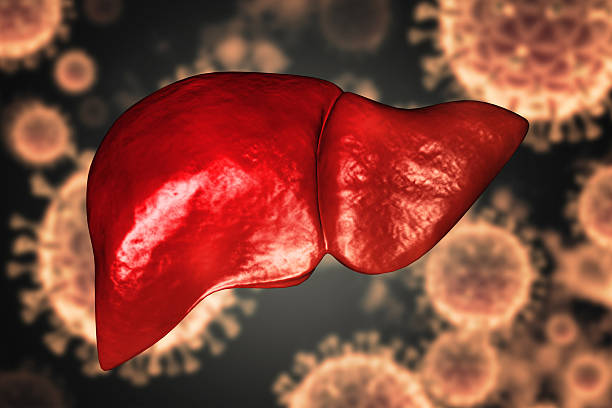
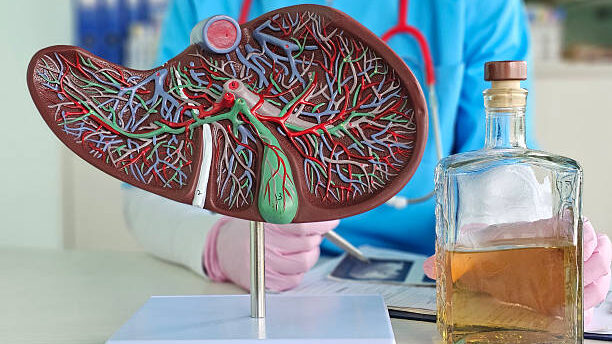
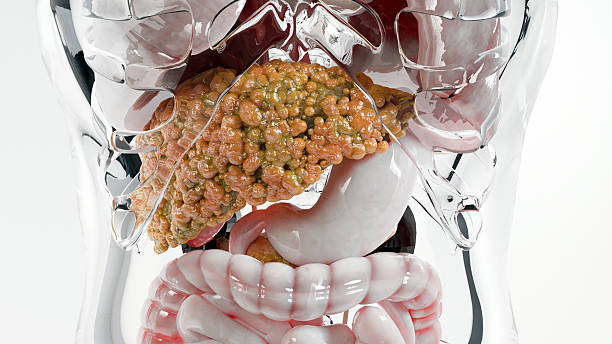
Fatty liver develops quietly while you feel completely normal. It happens when excess fat accumulates inside liver cells, usually tied to broader shifts in your body’s metabolism.
Your liver processes nutrients, stores energy, and handles fat and glucose constantly. Problems start when it receives or produces more fat than it can properly process and export, insulin resistance, excess abdominal fat, and alcohol exposure can all tip that balance toward fat storage.
Fatty liver was never caused by one single habit. Genetics, weight, diet, activity, blood sugar, and alcohol intake all shape your individual risk, and some people develop it with no obvious risk factors at all, while others carry several risks simultaneously. Here’s the actual biology behind eight factors that raise the likelihood of fat building up in your liver.
Hidden Factors Against You
1. Carrying Excess Fat Around Your Abdomen (Visceral Fat)
Fat around your waist isn’t just stored energy sitting quietly, visceral fat surrounding internal organs is metabolically active tissue that releases fatty acids and signaling molecules directly into circulation, some traveling straight to your liver through the portal vein.
When your liver receives more fatty acids than it can efficiently use or export, that fat accumulates inside liver cells.Insulin resistance compounds this, cells become less responsive to insulin, triggering more fatty acid release from stored fat while your liver ramps up its own fat production too.
This doesn’t mean every larger waist means fatty liver, or that thin people are protected. Genetics, diet, and alcohol use all matter too, but visceral fat’s metabolic activity makes it a genuinely significant risk factor.
2. Spending Too Much of the Day Sitting
Sitting doesn’t directly cause fatty liver, the concern is the metabolic drift that happens when regular movement disappears from your day. Skeletal muscle is one of your body’s largest glucose-using tissues, and movement keeps that machinery running efficiently.
Spend most of your day sitting and that muscle activity largely vanishes, contributing to poorer insulin sensitivity and easier weight gain over time. Insulin resistance affects your liver directly here too, more fatty acids get released from fat tissue while your liver increases its own fat production simultaneously.
A desk job alone doesn’t cause fatty liver, genetics and diet still matter enormously. But hours of sitting combined with little exercise creates a metabolic environment where fatty liver becomes considerably more likely.
3. Drinking Alcohol Too Often or in Excess
Your liver is the body’s main processing center for alcohol, and metabolizing it temporarily disrupts how your liver handles fat, fatty acids accumulate inside liver cells while your liver’s ability to burn and export fat gets compromised.
Alcohol breakdown also produces acetaldehyde, a reactive compound contributing to oxidative stress and cellular injury when exposure becomes excessive and frequent. Repeated heavy drinking does more than cause simple fat accumulation, it promotes inflammation and liver-cell damage, sometimes progressing toward more serious liver disease entirely.
Risk generally rises with heavier, more frequent drinking, though individual susceptibility varies. Alcohol-related fatty liver differs from metabolic fatty liver, but the two often overlap, creating more than one source of liver stress at once.
4. Losing Weight Too Quickly or Following Extreme Diets
Weight loss genuinely helps when you’re carrying excess fat, but speed and method matter here. A severe calorie deficit breaks down stored fat quickly, sending large amounts of fatty acids into your bloodstream and toward your liver all at once.
Your liver can normally burn or package those fatty acids for transport, but during extreme dieting, the sudden surge can temporarily overwhelm that process. Very restrictive diets create another problem too, providing too little protein or nutrients, making it harder to maintain muscle and normal metabolic function.
Gradual, balanced weight loss generally supports better metabolic health and can actually improve existing liver fat. The real concern is extreme restriction or dramatic weight loss over a short period.
5. Eating Too Much Added Sugar and Refined Carbohydrate
Added sugar affects your liver beyond just adding calories. When you eat more carbohydrate than your body immediately needs, your liver stores some as glycogen, then converts excess carbs into fatty acids through a process called de novo lipogenesis.
Fructose matters especially here since your liver processes most of it directly, large amounts increase raw material for fat production, raising triglyceride output and fat accumulation inside liver cells. Refined carbohydrates compound this when eaten frequently, they’re often low in fiber and easy to overconsume quickly.
Whole fruit isn’t the problem, its fiber and water change how natural sugars get absorbed and processed. The real concern is a diet dominated by sugary drinks, sweets, and heavily refined food.
6. Having Type 2 Diabetes or Insulin Resistance
Insulin resistance changes how your body handles both glucose and fat simultaneously. Insulin normally moves glucose into cells while signaling fat tissue to hold onto stored fatty acids, but when cells stop responding properly, fat tissue releases more fatty acids into your bloodstream instead.
Your liver faces a double problem here, it keeps producing fat even as glucose metabolism is already disrupted, and excess fatty acids arriving from fat tissue combine with that internal fat production to drive triglyceride accumulation inside liver cells.
Over time, this raises the risk of metabolic dysfunction-associated steatotic liver disease, sometimes progressing toward inflammation and scarring. Type 2 diabetes doesn’t guarantee liver damage, but persistent insulin resistance makes fat accumulation considerably more likely.
7. Having High Triglycerides or Unhealthy Blood Lipids
Triglycerides circulate through your bloodstream as stored energy, but persistently high levels signal that your fat-handling system is under real strain. Your liver plays a major role producing and packaging triglycerides, and when it makes more than your body can efficiently transport away, some remains trapped inside liver cells.
High triglycerides often appear alongside insulin resistance and excess abdominal fat, conditions that increase fatty acid flow toward the liver while stimulating additional internal fat production simultaneously. The relationship runs both ways too, fatty liver itself affects how your liver handles lipids, creating an interconnected cycle.
Not everyone with high triglycerides has fatty liver, but persistently elevated levels suggest your liver may be processing more fat than it can efficiently export.
8. Overlooking Genetics and Other Metabolic Conditions
Two people can share similar diets and body weights yet have completely different liver outcomes. Genes influence how your body stores fat, responds to insulin, and handles cholesterol, and certain inherited differences genuinely increase susceptibility to fat accumulation in the liver.
Other conditions compound this vulnerability too, high blood pressure, insulin resistance, and abdominal obesity often cluster together since they share biological pathways. Hormonal conditions matter as well, polycystic ovary syndrome and sleep apnea are both linked with insulin resistance and higher fatty liver risk.
Genetics doesn’t determine your fate though, lifestyle still shapes whether that underlying susceptibility becomes clinically significant. Fatty liver even occurs in people who aren’t visibly overweight, so the scale alone misses part of the picture entirely.
Conclusion
Fatty liver rarely comes down to one isolated habit. It develops from several metabolic and lifestyle factors interacting together over years, not one bad meal or one missed workout.
Excess abdominal fat increases fatty acid flow toward your liver, insulin resistance disrupts how your body handles glucose and fat, and high triglycerides, frequent alcohol, and sugar-heavy diets all add further metabolic pressure on top of that.
Physical inactivity makes insulin resistance and weight gain easier, while genetics and other metabolic conditions shape how strongly your liver actually responds to these pressures. None of these factors guarantees fatty liver will develop, some people carry several risks with little liver fat, while others develop the condition with fewer obvious risks at all.
The real lesson is that your liver stays deeply connected to your body’s overall metabolism, what happens with your body fat, blood sugar, and activity levels all shapes what happens inside your liver cells over time.