Most people only think about gut health when something goes wrong. A little bloating after dinner, an upset stomach before a meeting, then life moves on.
But gut health touches far more than digestion. The gut breaks down food, keeps the immune system running, produces key nutrients, and stays in constant contact with the brain, mostly without anyone noticing.
When gut health slips, the effects rarely stay in one place. Energy drops. Skin loses its glow. The immune system gets shaky. Mood and focus shift in ways that seem to come from nowhere.
That is why poor gut health is no longer treated as just a stomach problem. Doctors now trace its influence through nearly every system in the body, and the signs build up slowly enough to look unrelated until the full picture clicks into place.
Here are eight ways poor gut health can show up, often in places you would never expect, and why gut health deserves more attention than it usually gets.
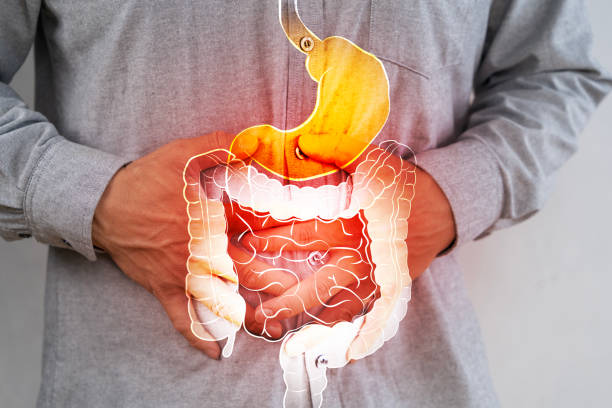
Poor Gut Health
1. Every Meal Starts an Argument With Your Stomach
Eating should leave you satisfied, not uncomfortable. For a lot of people, every meal comes with an unwelcome surprise. The stomach feels too full. The belly swells. Gas builds up. A small meal suddenly feels twice its size.
This usually points back to gut health that has fallen out of balance. Trillions of bacteria live in the digestive tract and help break food down. When that balance shifts, food ferments differently, and the result is excess gas and a gut that never settles.
The discomfort rarely stops after one meal. People start skipping foods they used to enjoy, eating smaller portions just to feel normal. Most blame spicy food or getting older, when the real issue sits deeper in the gut.
Everyone gets bloated once in a while. But when it becomes a daily habit, gut health deserves a real look, not another bottle of antacids.
2. Your Immune System Loses Its Best Partner
The immune system does not work alone. One of its biggest partners lives right in the gut. A huge share of immune activity depends on a healthy mix of gut bacteria, and when that mix changes, immunity loses some of its edge.
At first it looks ordinary. A cold drags on longer than it should. Small infections show up more often. These shifts usually appear months before anyone connects them to gut health.
Healthy gut bacteria train the immune system to spot real threats while keeping needless inflammation in check. Once those bacteria decline, the body’s defenses get sloppy, and that opens the door to more colds, more infections, more days feeling run down.
Sleep, stress, and diet play a role too, so gut health is not the only piece. Still, if illness has become a regular guest, your gut may be part of the reason.
3. Your Brain Feels What Your Gut Already Knows
The gut and brain talk constantly, exchanging signals all day even when you never notice. That link is why stress upsets your stomach, and why a struggling gut can drag your mood down too.
When gut bacteria fall out of balance, the brain responds in strange ways. Focus gets harder to hold. Simple tasks take more effort than they should. Thoughts feel foggy instead of sharp. Some people notice creeping anxiety or a mood that will not lift.
This link has a name, the gut-brain axis. Healthy gut microbes help produce chemicals tied to mood and memory. When those microbes thin out, communication breaks down, and both mental clarity and emotional balance take the hit.
Brain fog and anxiety have plenty of causes on their own. But if they show up alongside bloating or irregular digestion, gut health is worth ruling out before anything else.
4. Nutrients Never Make It Where They Need to Go
Eating well is only half the job. Your body still has to absorb what you eat, and that comes down to gut health. When digestion is off, even a healthy meal might not deliver what the body actually needs.
A well-functioning gut absorbs iron, B12, vitamin D, calcium, and magnesium from food. Once the lining gets irritated or good bacteria drop off, absorption slows, and small gaps add up across the body.
The signs sneak in sideways. Fatigue becomes the norm. Hair thins. Nails turn brittle. Muscles feel weaker for no clear reason. Healing slows and focus slips. None of it screams digestion, which is why the real cause gets missed so often.
A good diet still matters, but gut health decides how much of it actually counts. Sometimes the problem is not what is on your plate. It is what your gut can no longer pull from it.
5. Inflammation Gets Room to Spread
Inflammation is supposed to be temporary, a defense system that fixes damage and fights infection, then switches off. Trouble starts when it never switches off, and a struggling gut can quietly keep that switch stuck on.
A healthy gut lining acts like a filter, letting nutrients through while keeping harmful particles out. Once that lining weakens, stray particles slip into the bloodstream, and the immune system stays on alert far longer than it should, feeding inflammation throughout the body.
Unlike an injury, this kind of inflammation does not announce itself. Joints ache more than they used to. Fatigue becomes routine. Workouts take longer to recover from. Other health issues get harder to manage while it simmers underneath everything.
Inflammation is not the villain here, the body needs it to heal. The real question is when it has overstayed its welcome, and often the fastest way to calm it down is to fix gut health first.
6. Your Skin Starts Showing What Is Happening Inside
Skin reveals what is going on beneath the surface, usually before anything else does. When gut health starts slipping, skin is often the first place it shows.
A healthy gut helps control inflammation, backs the immune system, and supplies nutrients that keep skin strong. Once that balance tips, conditions like acne, eczema, or stubborn rashes tend to flare up. Some people deal with dryness that no skincare routine seems able to fix.
It is frustrating because there is rarely an obvious trigger. New creams offer temporary relief, but they cannot fix an imbalance that started somewhere else entirely.
Good skin is not only about what you put on it. It also reflects what is happening inside you. When skin problems keep circling back alongside digestive trouble, gut health is telling a story your mirror is just making easier to read.
7. The Scale Moves for Reasons That Have Nothing to Do With Food
Most people tie weight changes directly to diet or exercise. Sometimes gut health is quietly steering the number without anyone realizing it.
A balanced gut helps digest food and regulates the hormones tied to appetite and metabolism. Once gut bacteria fall out of balance, those systems slow or misfire. Some people gain weight while eating the exact same meals they always have. Others lose weight because their body can no longer absorb enough calories.
These changes creep in gradually. Clothes fit differently. Energy shifts without warning. Hunger feels off, or cravings get harder to ignore. It is easy to blame a slow metabolism, but gut health may be running the show.
Weight naturally moves throughout life, so one shift is not a red flag. Unexplained gain or loss paired with bloating or fatigue is worth a closer look, because sometimes the scale is measuring a gut that has lost its balance, not just your body.
8. Energy Runs Out Before the Day Does
Some mornings start with good intentions and run out of steam before lunch. A full night of sleep should leave you feeling recharged. When gut health is struggling, that recharge never fully arrives.
Digestion does more than break down food. It absorbs the nutrients that fuel your cells and supports the bacteria that regulate metabolism and energy. When gut health declines, those processes slow, and the result is a tiredness no amount of coffee can fix.
The exhaustion builds slowly. Afternoon crashes become routine. Simple tasks feel demanding. Motivation fades even on easy days. Most people blame a busy schedule or bad sleep, while gut health quietly stays part of the story.
Fatigue has many causes, but gut health is one that gets overlooked constantly. If low energy shows up alongside bloating or other signs on this list, it is worth checking gut health before anything else.
Conclusion
Poor gut health rarely stays confined to the stomach. It reaches into energy, immunity, skin, mood, weight, and how the brain functions. That is why the warning signs seem scattered at first, showing up in different places while sharing the same root cause.
The good news is gut health responds well to small changes. A fiber-rich diet, fermented foods, regular movement, better sleep, and cutting back on processed food can all help restore balance. None of it needs to be extreme, and consistency matters more than perfection.
Digestive discomfort is never something to brush off, especially alongside fatigue, skin changes, or unexplained weight shifts. The body is not sending separate problems. It’s telling one connected story, and gut health is usually where it begins.