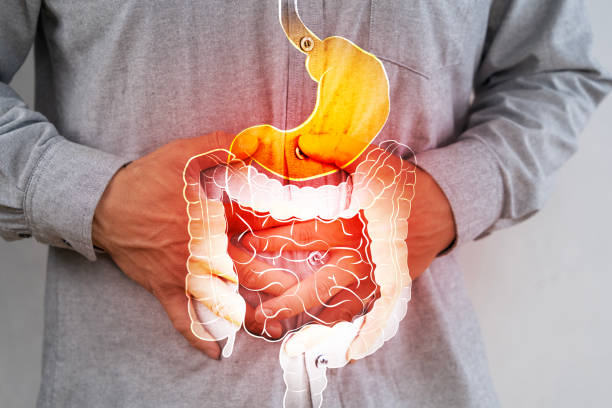
The gut does a lot more than break down food. It houses a massive community of microorganisms that talks constantly with the immune system, and that conversation gets especially important during midlife, when diet, stress, sleep, medications, and metabolism start shifting all at once.
A huge share of the body’s immune activity actually lives close to the gut. The microbiome helps train immune cells, keeps the intestinal lining intact, and shapes how much inflammation the body produces. When that balance slips, the fallout often reaches well past digestion.
The upside is that ordinary habits move this relationship in a better direction. Eating a mix of plant foods, getting real fiber, staying active, managing stress, sleeping enough, and skipping antibiotics unless they’re truly needed all help keep the gut environment in decent shape.

Poor Gut Health
1.Gut Bacteria Train the Immune System
Trillions of microorganisms live in the gut, and they’re constantly interacting with immune cells. Many of these bacteria essentially teach the immune system what to attack and what to leave alone, which matters more than it sounds.
This happens through chemical signals. Gut microbes produce compounds that talk directly to immune cells and shape how much inflammation the body runs. A diverse microbiome supports that regulation, while a badly disrupted one can throw the signaling off.
Diet, stress, poor sleep, illness, and medication all shift the gut microbiome during midlife. That doesn’t automatically weaken immunity, but it’s a good reason to keep the gut environment healthy. A varied, fiber-rich diet, vegetables, fruit, beans, lentils, whole grains, nuts, seeds, gives these microbes what they need to actually thrive instead of just survive.
2.Fiber Feeds the Bacteria That Help the Immune System
Fiber isn’t just about digestion running smoothly. Certain fibers act as food for beneficial bacteria, letting them grow and produce compounds the immune system relies on. These fibers are often called prebiotics for exactly that reason.
When gut bacteria ferment fiber, they produce short-chain fatty acids like butyrate, which nourish the cells lining the intestine and help regulate inflammation. A diet that’s consistently low in fiber starves these bacteria of fuel, whether or not anyone notices right away.
Midlife is a reasonable point to make fiber a daily habit rather than an afterthought. Beans, oats, berries, apples, nuts, and whole grains each bring a different type of fiber, which matters because different bacteria feed on different fibers. Adding it gradually, with enough water, helps the gut adjust without the bloating that comes from doing too much too fast.
3.Antibiotics Can Temporarily Disrupt the Gut
Antibiotics matter, sometimes a lot, when the body is fighting a genuine bacterial infection. But they don’t discriminate perfectly. Along with the harmful bacteria, they often knock down some of the beneficial ones too, and the microbiome needs time to recover afterward.
Digestive comfort and microbial diversity can dip for a while after a course of antibiotics, though how much and for how long varies from person to person. Some people notice bloating or loose stools while things settle back down.
None of this is an argument against taking antibiotics when they’re actually needed. It’s an argument for using them only when appropriate and finishing them as directed. Afterward, a diet full of vegetables, beans, whole grains, and fermented foods (if tolerated) gives the gut real material to rebuild with.
4.Poor Sleep Throws Gut and Immune Rhythms Off
Sleep and gut health are more tangled together than most people assume. The body runs on a daily circadian rhythm that coordinates hormones, metabolism, digestion, and immune activity together. When sleep gets short or irregular, that rhythm starts slipping.
Disrupted sleep appears to affect the diversity and activity of gut bacteria, and changes in the microbiome may feed back into sleep and stress regulation as well. It runs in both directions rather than as a simple cause and effect.
Midlife brings plenty of reasons for worse sleep: stress, shifting schedules, hormonal changes, waking up at 3 a.m. for no clear reason. Protecting sleep is worth treating as a priority, not a luxury. A consistent bedtime, a regular wake time, morning daylight, and a quiet bedroom all help, and better sleep tends to support a steadier gut environment right along with it.
5.Age Makes Gut Balance More Important, Not Less
The gut changes with age, gradually, as diet, activity, hormones, medications, and metabolism all shift through midlife. These changes affect which microorganisms are present and how active they are.
Diversity matters because different bacteria do different jobs, breaking down fiber, producing useful compounds, and communicating with immune cells. A less diverse gut isn’t automatically a problem, but major disruptions can strain the relationship between gut microbes and the immune system.
There’s no single food or supplement that locks in perfect balance. A consistent pattern, plenty of plant variety, regular movement, decent sleep, managed stress, and antibiotics only when needed, does more for gut and immune resilience than any one trendy fix ever will.
6.A Strong Gut Barrier Keeps Invaders Out
The intestinal lining works something like a security checkpoint. It lets nutrients and water through while keeping harmful substances and unwanted microbes contained where they belong. That barrier works closely with the immune system to keep things balanced.
Tightly connected intestinal cells, mucus, and beneficial bacteria all support this lining. When the barrier weakens, immune activity can rise, though the exact relationship between a weaker barrier and specific diseases is still being worked out.

Fiber-rich foods, a varied diet, regular exercise, decent sleep, and skipping unnecessary antibiotics all help keep this barrier intact. None of it guarantees immunity from illness, but it gives the gut and immune system a sturdier foundation to work from.
7.An Unbalanced Gut Can Fuel Chronic Inflammation
The gut and immune system stay in constant contact, and when the microbiome gets disrupted, that conversation changes. Certain microbial shifts can push immune signaling toward a more inflammatory state. Not every digestive issue leads to chronic inflammation, but the link is real.
An imbalanced microbiome changes both the compounds bacteria produce and the condition of the intestinal barrier. When beneficial microbes drop off or diversity shrinks, the immune system starts getting different signals than usual, and over time that can nudge inflammation upward throughout the body.
The fix doesn’t need to be complicated or involve a cleanse. Plenty of fiber-rich plant foods, staying active, sleeping well, and managing stress support the gut ecosystem enough to help keep immune responses in check.
8.Stress Changes Digestion and Immune Activity Together
Stress doesn’t stay contained to the mind. The gut-brain axis links the nervous system and digestive system through nerves, hormones, immune signals, and gut bacteria. When stress becomes constant, digestion often changes right along with it.
Bloating, constipation, diarrhea, and appetite changes show up for a lot of people during stressful stretches. Chronic stress can also shift immune activity and the gut microorganisms themselves, creating a loop where stress worsens digestion and digestive discomfort adds more stress on top.
Midlife brings no shortage of pressure, work, family, shifting sleep, and other transitions all at once. Walking, slow breathing, meditation, exercise, and real social connection all give the nervous system room to recover, which benefits digestion and immune function along with mood.
9.Fermented Foods Add Microbial Diversity
Fermented foods earned their popularity honestly. Yogurt, kefir, kimchi, and sauerkraut can carry live microorganisms that interact with the gut microbiome, and for some people, adding these foods supports a more diverse gut environment.
Yogurt and kefir are convenient because they bring protein along with beneficial bacteria. Fermented vegetables add fiber and plant compounds on top of microbial exposure. Not every fermented product on a shelf contains live cultures though, so it’s worth checking labels.
These foods work best as part of a broader eating pattern rather than a stand-alone fix. A small serving alongside a regular meal is an easy place to start, alongside the fiber, sleep, and movement that still matter most.
10.Everyday Eating Habits Shape the Gut Long Term
The gut responds to what shows up on the plate, day after day. Vegetables, fruit, beans, whole grains, and nuts supply the fiber and plant compounds beneficial microbes actually need. More variety tends to mean a more diverse microbial community.
Processed foods don’t destroy the microbiome on contact, but diets built around them usually run low on fiber and protective plant compounds. Over time, that leaves beneficial bacteria with less to work with. The overall pattern matters far more than any single meal.
There’s no perfect microbiome and no magic food that guarantees strong immunity. A diverse, fiber-rich pattern simply gives the gut a solid foundation to keep supporting digestion and immune regulation for years.
Conclusion
The gut and immune system stay closely linked, especially through midlife. Poor sleep, chronic stress, a narrow diet, unnecessary antibiotics, and low fiber all chip away at that balance, while variety, movement, real rest, and fermented foods (when tolerated) help rebuild it.
There’s no single supplement or routine that locks in perfect gut health. What actually works is consistency, small choices repeated for months and years, building an environment where the gut and immune system can keep supporting each other as the body ages.