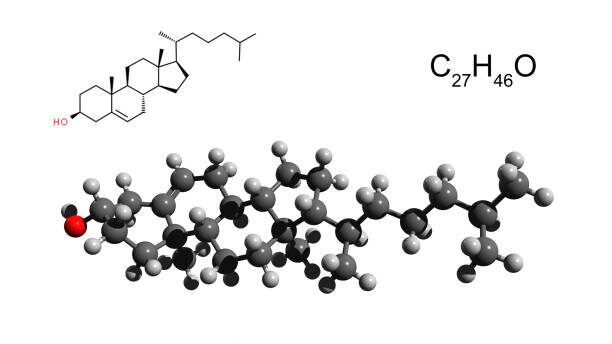
Cholesterol gets treated like a villain, but your body genuinely needs it. It helps build cell membranes, make hormones, and perform essential functions that keep your entire system running properly.
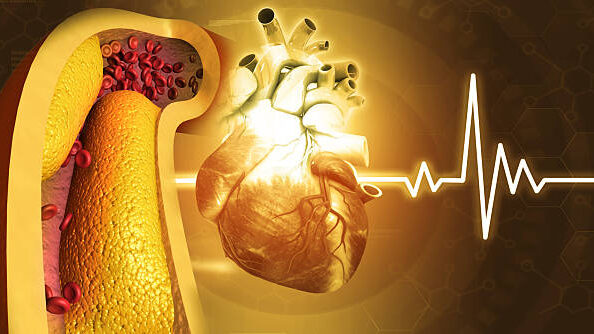
The real problem starts when LDL cholesterol stays elevated too long. LDL can enter artery walls and contribute to plaque buildup, gradually narrowing and stiffening blood vessels over years without you noticing anything different day to day.
That process happens quietly, you can feel completely healthy while plaque slowly develops inside your arteries. Keeping healthy cholesterol levels isn’t about chasing a perfect lab number, it’s about reducing long-term cardiovascular risk alongside blood pressure, blood sugar, and family history. The benefits accumulate over years, not days. Here’s why maintaining healthy cholesterol genuinely matters for your heart, brain, kidneys, and overall vascular health.

Long-Term Benefits
1. Healthy LDL Levels Help Protect Your Artery Walls
Your arteries are built to move blood smoothly, their inner lining stays flexible, letting blood travel efficiently to your heart, brain, and every other organ that depends on it.
LDL becomes a problem when too much circulates for too long, particles move into the artery wall, especially when the lining has become damaged or more permeable than it should be. Once inside, LDL gets chemically modified and triggers inflammation, immune cells called macrophages absorb the altered LDL and become foam cells, an early feature of atherosclerotic plaque forming.
Over years, these small changes grow into larger plaques, making arteries thicker and narrower. Healthy cholesterol reduces the amount available to accumulate this way, it doesn’t eliminate cardiovascular risk entirely, but it removes one central driver of atherosclerosis that builds silently for decades.
2. Healthy Cholesterol Levels Support Better Circulation
Blood needs open, flexible arteries to move efficiently throughout your entire body, and healthy cholesterol levels genuinely help protect those vessels from the gradual plaque buildup that interferes with normal circulation.
As plaque grows from elevated LDL, arteries become narrower and less flexible, reducing blood flow particularly when your oxygen demand rises during exercise or physical activity. Healthy cholesterol levels help preserve better vessel structure over time by limiting how much accumulates within artery walls in the first place.
There’s also a connection to your endothelium, the artery lining that helps vessels relax and respond to changing blood flow. Atherosclerosis interferes with that function directly. Better cholesterol control doesn’t guarantee perfect circulation, but it protects arteries from one major process that gradually makes blood flow more difficult.
3. Healthy Cholesterol Can Reduce Peripheral Artery Disease Risk
Peripheral artery disease develops when plaque builds up inside arteries carrying blood to your legs and other areas outside your heart and brain entirely.
LDL cholesterol is a major contributor here too, as plaque enlarges, arteries become narrower and blood struggles reaching working muscles, particularly during walking or exercise. Someone with PAD often notices leg pain or cramping during activity that improves with rest once muscles need less oxygen.
Keeping LDL healthier slows this process considerably, though smoking, diabetes, and genetics also strongly influence PAD risk independently. There’s a broader benefit here too, PAD signals disease throughout your arterial system, meaning higher heart attack or stroke risk since the same atherosclerotic process affects multiple vessels simultaneously. Protecting cholesterol protects your body’s entire vascular network.
4. Managing Cholesterol Helps Protect Your Kidneys
Your kidneys depend on a steady blood supply, millions of tiny vessels deliver circulation to the filtering structures that remove waste and balance fluids throughout your body constantly.
Persistently elevated LDL contributes to atherosclerosis, and when it affects arteries supplying your kidneys, blood flow becomes genuinely restricted. Chronic kidney disease and cardiovascular disease actually share several risk factors too, high blood pressure, diabetes, and unhealthy cholesterol among them.
Managing LDL becomes part of a broader strategy protecting both vascular and kidney health simultaneously, lowering cholesterol doesn’t guarantee preventing kidney disease, but it reduces atherosclerotic risk to the vessels your kidneys depend on entirely. The benefit is indirect but genuinely meaningful, healthier arteries create a better environment for your kidneys to keep performing their essential filtering work.
5. Healthy Cholesterol Can Reduce the Need for Later Intervention
Keeping LDL at a healthier level matters long before an artery becomes seriously narrowed, atherosclerosis develops gradually, giving you real opportunity to address risk factors before major complications actually appear.
When LDL stays elevated for years, plaques become larger and more complex, increasing the chance of significant narrowing or sudden plaque disruption down the line. Once advanced artery disease develops, treatment often requires more than lifestyle changes, medications or procedures may become necessary to restore blood flow.
Managing cholesterol earlier reduces the LDL exposure your arteries experience over decades. Some people need a statin even when cholesterol isn’t dramatically high because overall cardiovascular risk runs elevated. The goal is genuine prevention, reducing the odds that advanced disease eventually forces more intensive treatment later.
6. Lower LDL Can Reduce Heart Attack Risk
Your heart depends on open coronary arteries receiving a steady supply of oxygen-rich blood, and elevated LDL interferes with that process directly by driving plaque buildup inside those exact arteries.
As LDL enters the artery wall, it contributes to inflammation and gradual plaque formation, slowly narrowing the artery and reducing blood flow to your heart muscle. The real danger comes from plaque disruption though, if a plaque surface suddenly breaks, your body forms a blood clot that can block the coronary artery entirely and trigger a heart attack.
Lowering LDL reduces the cholesterol available to accumulate this way, slowing atherosclerosis and reducing major cardiovascular events over time. This matters even without existing heart disease, long-term LDL exposure is exactly why cholesterol management functions as genuine prevention, not just treatment.
7. Keeping LDL Lower Protects Your Brain’s Blood Vessels
Your brain depends on a dense network of arteries delivering oxygen and nutrients every single second, and LDL cholesterol contributes to atherosclerosis affecting these vessels just as it affects your heart and legs.
As plaque develops, arteries become narrower and stiffer, interfering with blood flow and increasing ischemic stroke risk, which happens when a vessel supplying part of your brain becomes blocked entirely. Your carotid arteries in the neck are particularly vulnerable too, plaque there can rupture and send clot material downstream toward your brain directly.
Keeping LDL healthier reduces the long-term exposure driving plaque development, especially combined with blood pressure control and avoiding tobacco. Stroke has several causes though, some result from bleeding rather than blockage, so LDL management can’t prevent every type, but it protects one major pathway toward vascular disease.
8. Better Cholesterol Control Supports Long-Term Heart Function
Your heart is a muscle, but its ability to work well depends heavily on healthy blood vessels, the coronary arteries deliver oxygen letting it keep pumping efficiently day after day.
Persistently high LDL contributes to plaque buildup inside those arteries, and as atherosclerosis progresses, vessels become narrower, making it harder for blood to reach your heart muscle when oxygen demands increase. Over time, severe coronary artery disease affects heart function directly, reduced blood supply can lead to ischemia while previous heart attacks leave weakened, scarred muscle tissue behind.
Keeping LDL healthier slows atherosclerosis progression and reduces major cardiovascular events, helping protect your heart from damage that eventually interferes with pumping ability. Healthy cholesterol doesn’t guarantee a strong heart forever, but it protects the blood vessels your heart genuinely depends on to keep working.
9. Healthy Lipid Levels Strengthen Overall Cardiovascular Risk Management
Cholesterol is only one part of cardiovascular health, its real importance becomes clearer alongside blood pressure, blood sugar, smoking, and other major risk factors working together simultaneously.
These risks interact rather than existing separately, someone with several elevated factors faces a much greater overall cardiovascular burden than someone with just one measurement out of range. That’s exactly why cholesterol management shouldn’t be viewed as a standalone project, lowering LDL removes one important contributor while other risks get addressed at the same time.
Healthy lipid levels also make prevention more straightforward, regular testing shows whether lifestyle changes or treatment are actually working. Genetics matter too, some people need more intensive cholesterol treatment because their inherited risk runs higher regardless of lifestyle. The strongest protection comes from managing major risks together, not fixating on one number alone.
10. Long-Term Cholesterol Control Builds Protection Before Problems Appear
Cholesterol management works best when it begins before artery disease becomes obvious, atherosclerosis develops gradually over many years while causing genuinely few noticeable symptoms along the way.
Persistently elevated LDL exposes artery walls to cholesterol-containing particles repeatedly, some enter the vessel wall and contribute to inflammation and plaque formation over time. This makes cholesterol control a long-term prevention strategy rather than a short-term fix, reducing exposure that drives plaque development across decades.
The benefit becomes especially important as you age, blood vessels naturally lose flexibility while other cardiovascular risks accumulate simultaneously. Early attention doesn’t mean everyone needs medication, diet and activity play major roles, though some people genuinely need cholesterol-lowering drugs based on overall risk. The greatest value comes from years of prevention, not one dramatic blood test result.
Conclusion
Healthy cholesterol was never about eliminating cholesterol from your body entirely, you genuinely need it for essential biological function. The real goal is keeping harmful lipid patterns, especially elevated LDL, within a range that reduces your long-term cardiovascular risk considerably.
Lower LDL limits the cholesterol exposure contributing to plaque formation inside artery walls, supporting healthier circulation while reducing heart attack, ischemic stroke, and peripheral artery disease risk simultaneously. These benefits extend well beyond your major arteries too, healthy blood vessels support your kidneys directly and help your heart keep working without the added burden of advanced atherosclerosis building over decades.
Cholesterol control works best alongside blood pressure, blood sugar, and lifestyle factors together, there’s no single number that guarantees protection for everyone. The real benefit of healthy cholesterol is cumulative, years of lower LDL exposure mean less plaque buildup and fewer opportunities for vascular disease to become a major problem down the road.