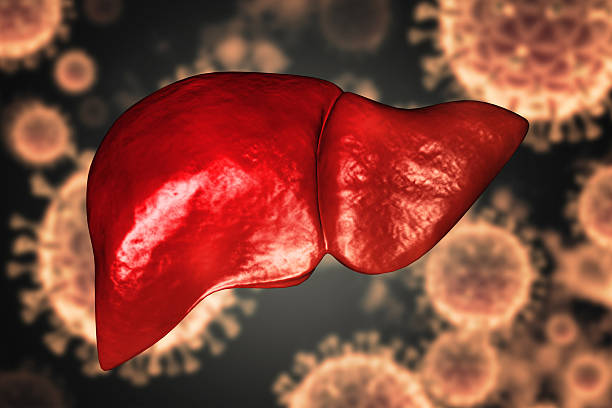
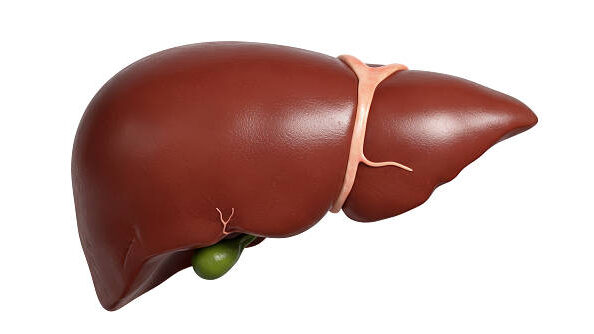
Your liver health quietly handles hundreds of jobs every day. It processes nutrients, regulates metabolism, and removes harmful substances from your bloodstream without ever taking a break or asking for credit.
Because your liver keeps working even under strain, problems develop without obvious warning signs. Fat can accumulate quietly, inflammation can build, and repeated injury gradually affects how well the organ functions over years without you noticing anything different. The encouraging part is that everyday habits genuinely matter, alcohol intake, sugary drinks, activity, and body weight all influence liver health directly. Protecting your liver doesn’t require a perfect routine or dramatic overhaul, small changes made consistently reduce real pressure on this essential organ. Here are eight practical habits that genuinely support liver health over time.
Changes That Make Big Difference
1. Cut Back on Alcohol Before It Becomes a Daily Habit
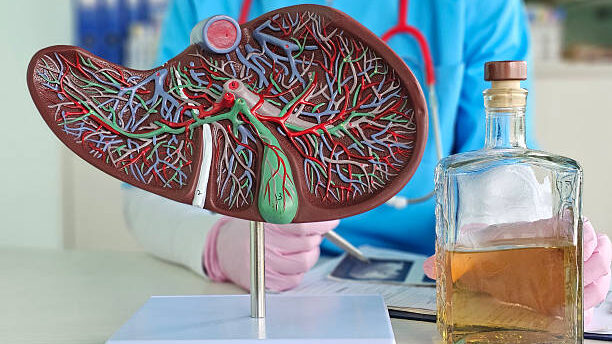
Alcohol is processed primarily by your liver it cause damaging liver health , making it one of the first organs to feel the effects of regular drinking over time.
When alcohol breaks down, your liver prioritizes that process over other metabolic jobs, and frequent drinking increases fat production and accumulation inside liver cells directly. Over time, excess fat contributes to alcohol-associated fatty liver disease, and some people develop inflammation that progresses toward fibrosis and cirrhosis eventually.
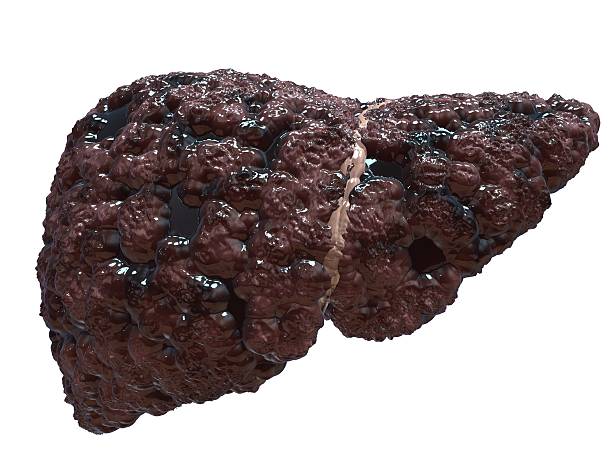
A daily drinking habit becomes easy to normalize, one drink after work feels harmless, but repeated exposure adds up over months and years considerably. Reducing alcohol gives your liver less work to process, removing one important source of ongoing injury. The goal isn’t perfection overnight, reconsidering how often alcohol appears in your week is a meaningful step toward protecting liver health long term.
2. Give Your Liver Time to Recover From Everyday Excess
Your liver is remarkably resilient, but it still needs relief from repeated strain. Daily exposure to excess calories, processed food, or unnecessary supplements keeps the organ busy handling more than it genuinely needs to.
Recovery is less about a special liver cleanse and more about removing habits that create ongoing stress, your liver already has its own systems for processing nutrients and potentially harmful substances effectively. There’s a common misconception that your liver needs periodic detox drinks, it doesn’t need a juice cleanse to remove everyday waste, and extreme diets sometimes create additional problems instead of solving them.
Recovery doesn’t happen from one unusually healthy weekend either, your liver responds to patterns repeated over time. Giving it fewer unnecessary burdens each day is a small change with genuinely meaningful long-term value for your liver health.
3. Get Blood Sugar and Cholesterol Under Better Control
Your liver and metabolism are closely connected. Blood sugar and cholesterol problems place additional pressure on your liver, particularly alongside excess body weight or insulin resistance together.
When insulin doesn’t work effectively, your body struggles controlling blood glucose, and insulin resistance is strongly associated with fat buildup inside liver cells, a condition called Metabolic Dysfunction-Associated Steatotic Liver Disease (MASLD). High triglycerides often appear alongside liver fat too, signaling that your body’s overall glucose metabolism needs more attention.
Improving blood sugar and lipid levels supports more than cardiovascular health, better metabolic control reduces conditions that promote liver fat accumulation directly. Regular activity, nutritious meals, and gradual weight management all improve insulin sensitivity, creating a genuinely healthier environment for your liver while protecting your heart simultaneously.
4. Give Sugary Drinks Less Space in Your Daily Routine
Sugary drinks add a surprising amount of sugar without making you feel especially full. Soda and sweetened tea deliver large amounts of added sugar in just a few minutes without much satisfaction.
Your liver plays a major role processing that excess energy, when your body regularly receives more sugar than it needs, some gets converted into fat directly. Over time, this contributes to fat accumulation in the liver, particularly alongside insulin resistance or excess weight already present.
Liquid calories are especially easy to overlook, a drink takes minutes to finish while providing far more energy than you’d realize. Replacing sugary drinks with water or unsweetened beverages more often lowers daily sugar intake without making meals feel restrictive. The occasional sweet drink isn’t the concern, making it a daily habit is what strains your liver health over time.
5. Build More Meals Around Whole and Minimally Processed Foods
Your liver benefits when everyday meals provide plenty of nutrients without excessive added sugar or refined carbohydrates weighing things down constantly.
Vegetables, whole grains, beans, and nuts provide fiber and plant compounds supporting overall metabolic health directly. Fiber is especially useful, it slows digestion and helps improve blood sugar patterns, mattering considerably since insulin resistance is closely linked with liver fat accumulation over time.
The type of fat matters too, olive oil and fatty fish provide mostly unsaturated fat, a healthier choice than foods high in saturated fat consumed regularly. Whole foods also make calorie control easier naturally, a meal built around vegetables and protein is far more filling than one dominated by refined snacks. Building meals around plants and quality protein genuinely supports liver health by reducing dietary pressure that contributes to fat buildup.
6. Be Careful With Medications and Herbal Supplements
Your liver processes many medicines and substances entering your body, making medication safety a genuinely important part of protecting liver health overall.

Most medicines are safe as directed, but some affect the liver at excessive doses, acetaminophen is a good example, taking more than recommended causes severe liver injury, and the risk becomes harder to recognize when it’s included in multiple products simultaneously. Herbal supplements deserve similar caution too, natural doesn’t automatically mean harmless, some have genuinely been linked to liver injury directly.
Drug interactions create another problem, one medicine changes how your liver processes another, potentially increasing side effects considerably. This doesn’t mean avoiding necessary medication, prescribed treatment remains essential for conditions affecting long-term liver health. Keeping an updated medication list helps your doctor identify potential problems before they become serious.
7. Work Toward a Healthier Body-Weight Range
Body weight influences liver health through several connected metabolic pathways. Excess fat, particularly around your abdomen, is strongly associated with insulin resistance and fat buildup inside liver cells directly.
This condition, MASLD, begins quietly with little noticeable symptoms at first. When insulin resistance develops, your body struggles handling fat efficiently, and your liver receives and stores more fatty acids, contributing to excess accumulation within liver cells over time.
The good news is even modest weight loss improves liver fat and metabolic health for many people carrying excess weight already. Crash diets are rarely necessary, gradual changes in food choices and activity are generally far easier to maintain long term. The goal isn’t a perfect number on the scale, it’s reducing excess metabolic strain that genuinely affects your liver health.
8. Move Your Body More Often Throughout the Week
Physical activity supports your liver in several ways, even when the scale barely changes at all. When muscles contract during walking or strength training, they use glucose for energy directly.
Regular activity improves insulin sensitivity, mattering considerably for your liver since insulin resistance is closely linked with fat buildup inside liver cells over time. Research suggests regular activity reduces hepatic fat even without major weight loss occurring simultaneously, which is genuinely encouraging news.
Consistency matters more than occasional intense workouts, someone moving regularly throughout the week gains more lasting benefit than sporadic extreme exercise. Long sitting periods work in the opposite direction though, breaking up sedentary time with short walks adds useful activity without requiring a formal workout. Making movement normal improves insulin sensitivity and genuinely supports better liver health long term.
Conclusion
Your liver doesn’t need complicated detox plans to stay healthy, it benefits most from reducing everyday habits that place unnecessary metabolic stress on this essential organ over time.
Cutting back on alcohol, limiting sugary drinks, choosing whole foods, and staying active all support better liver health simultaneously. Managing blood sugar and cholesterol matters too, these metabolic factors are closely connected with liver fat and influence cardiovascular health together.
Medication safety deserves attention as well, necessary medicines shouldn’t be avoided, but taking products responsibly reduces avoidable liver injury considerably. None of these changes need to happen perfectly, small improvements repeated consistently matter far more than occasional bursts of extreme effort. Your liver is remarkably resilient, but it still benefits from being treated well every day, giving it a genuinely better chance to keep doing its essential work for years to come.