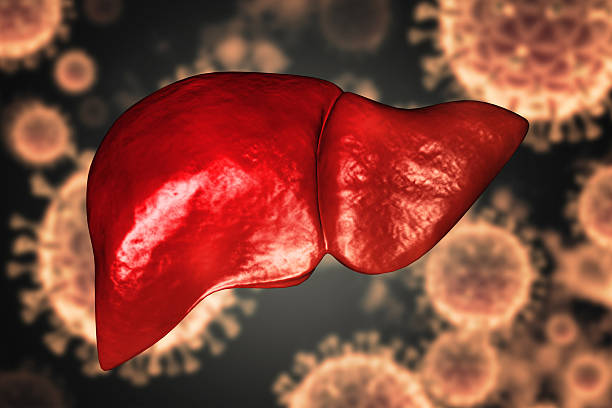
Your liver doesn’t ask for much attention. It just keeps working quietly in the background, processing nutrients, managing fats and sugars, and filtering out everything that passes through your body.
That workload gets heavier over years of drinking, poor eating, sitting too much, certain medications, and extra body fat. The tricky part is that liver trouble can build up without any obvious warning signs along the way.
The good news is that supporting your liver health doesn’t take a special cleanse or an expensive program. A handful of simple habits, repeated consistently, take real pressure off. Drinking more water, eating better, moving regularly, being careful with medications, and keeping alcohol in check all genuinely help. It’s less about dramatic changes and more about giving your liver an easier environment day after day.

Changes To Take Pressure Off
1. Don’t Let Alcohol Become an Everyday Thing
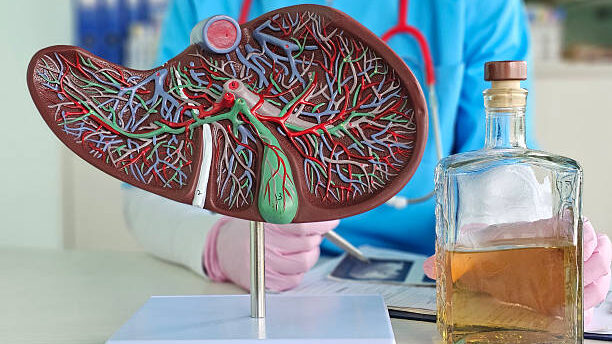
Your liver can handle alcohol, but repeated exposure day after day puts real stress on liver cells. Drink every day and your liver gets fewer chances to recover between rounds of processing it.
Amount matters too. Regularly drinking larger quantities raises your risk of alcohol-related liver problems, fatty liver, inflammation, fibrosis, and eventually cirrhosis. Your personal risk also depends on genetics, medications, and any existing liver conditions you have.
You don’t need a complicated detox plan here. If you drink, build in alcohol-free days and keep portions reasonable. Some people need to cut alcohol out completely, especially those with existing liver disease or specific medical advice to abstain. It also helps to notice the habits around drinking itself. That evening glass of wine can become automatic fast, especially during stressful stretches. Swap it for sparkling water or unsweetened tea sometimes and cutting back gets a lot easier. Your liver health improves more from cutting the repeated stress than from any “detox” after the fact.
2. Make Water Your Default Drink
Water is one of the easiest things you can do for your body every day. Unlike soda, sweetened juice, or alcohol, plain water hydrates you without the extra sugar, alcohol, or calories tagging along.
Good hydration keeps your fluid balance normal and supports your kidneys as they filter waste out of your blood. It also naturally cuts down on turning every meal or afternoon slump into another sugar hit.
You don’t need to drink only plain water either. Unsweetened tea and sparkling water add variety while keeping things low-sugar. The real habit worth building is just making water the drink you reach for most often. Your fluid needs shift depending on activity, climate, and health conditions, so if you’re managing a condition that requires fluid limits, follow your doctor’s guidance instead. Keep a water bottle on your desk or in the car and the habit basically builds itself. Swapping even one sugary drink a day for water adds up fast for your liver health over time.
3. Take Medications and Supplements More Seriously
Your liver processes a lot of what you take, medications and supplements included, which makes using them responsibly genuinely important. Something doesn’t need a prescription to still have a powerful effect on your body.
Taking more than the recommended dose doesn’t make a medication work better, it just adds risk. Mixing several products together can create problems you didn’t see coming. Acetaminophen is a classic example, since too much of it, especially across multiple products at once, can cause serious liver damage.
Supplements deserve the same caution. Herbal products aren’t automatically gentle just because the label says natural. Some have actually been linked to liver injury, and their ingredients can interact with prescription medications in ways you wouldn’t expect. Keep an updated list of everything you’re taking, medications, vitamins, supplements, all of it, so your doctor can spot potential risks early. Never stop a prescribed medication on your own. The safer move is using things exactly as directed and checking with a professional before adding anything new. Your liver doesn’t need unnecessary chemical stress, and being thoughtful here genuinely protects it.
4. Keep Moving, Even Without a Formal Workout
Supporting your liver health doesn’t require a gym membership or an hour-long workout. Regular movement throughout your day supports your metabolism and helps you maintain a healthier weight.
Walking, gardening, taking the stairs, doing chores, cycling, or just standing up more at work all add real activity to your day. Individually these feel small, but they genuinely add up over weeks and months.
Physical activity also improves how your body handles insulin, blood sugar, and fat, which matters directly for your liver since metabolic issues contribute to fat buildup there. You don’t need to exercise hard every single day either. Start with a short daily walk and build from there, it’s far more sustainable than jumping straight into an exhausting routine. Strength training helps too, since holding onto muscle keeps your body using energy efficiently as you age. The real goal is just making movement a normal part of your day instead of one big separate event.
5. Give Your Liver More Whole Foods to Work With
Your liver has a demanding job, and what you eat directly affects how hard that job is. Meals built around whole, minimally processed foods give your body real nutrients without leaning on added sugar, refined carbs, or too much saturated fat.
Vegetables, whole fruits, beans, lentils, whole grains, nuts, seeds, fish, and eggs form a solid foundation for liver-friendly eating. Fiber especially helps here, supporting digestion and metabolic health while keeping meals satisfying.
Protein matters just as much. Getting enough helps you maintain muscle, which supports your overall metabolic health. Fish, poultry, beans, lentils, and eggs all make solid choices that keep meals balanced without much effort. There’s no single miracle food that cleanses or repairs your liver on its own. The real benefit comes from your overall pattern of eating, swapping processed foods for nutrient-dense ones consistently, not occasionally. A plate with vegetables, a quality protein, and a fiber-rich carb is a genuinely solid starting point, and it doesn’t need to get more complicated than that.
6. Protect a Healthy Waistline Without Extreme Diets
Carrying extra weight, especially around your belly, affects more than how your clothes fit. Abdominal fat is closely tied to insulin resistance, which contributes directly to fat building up in your liver.
That doesn’t mean you need a strict diet or a rapid weight-loss plan. Severe calorie restriction is hard to sustain and often leaves you missing important nutrients. Extreme approaches also tend to turn into short-lived cycles rather than lasting change.
A steadier approach makes a lot more sense here. Pay attention to portions, move regularly, get enough protein, eat plenty of vegetables and fiber, and cut back on heavily processed food. Even modest weight loss makes a real difference for people carrying extra weight, especially those managing fatty liver disease. The goal was never chasing the smallest number on a scale, it’s improving the metabolic conditions that actually affect your liver health. Waist size is a useful clue, but it’s just one piece of a much bigger picture that includes your overall fitness and health history.
Conclusion
Supporting your liver health was never about complicated routines or pricey detox products. A handful of ordinary habits, cutting back on daily drinking, choosing water more often, using medications carefully, moving regularly, and eating real food most of the time, genuinely lighten your liver’s workload while supporting your whole body at once.
If you’re carrying extra weight, gradual and sustainable changes make a real difference too, and extreme diets are rarely necessary or even helpful long term. Your liver doesn’t need occasional rescue missions. It needs consistent, ordinary care. Small choices repeated over months and years build a healthier environment for this hardworking organ and support your health well into midlife and beyond.