Memory doesn’t suddenly change on your 40th or 50th birthday. Your brain keeps adapting throughout life, and everyday habits genuinely influence how well it actually performs day to day.
Sleep, movement, food, stress, and social connection all tie directly into brain function. Some habits support these systems, while others quietly work against them when repeated for years without you noticing.
A restless night makes attention feel scattered the next morning, chronic stress keeps your brain focused on immediate demands rather than storing new information. Normal forgetfulness is still part of life too, misplacing keys doesn’t automatically signal a serious problem. The bigger picture here is the pattern, daily habits shape the conditions your memory and attention actually have to work within. Here’s how eight everyday habits genuinely influence memory after midlife.
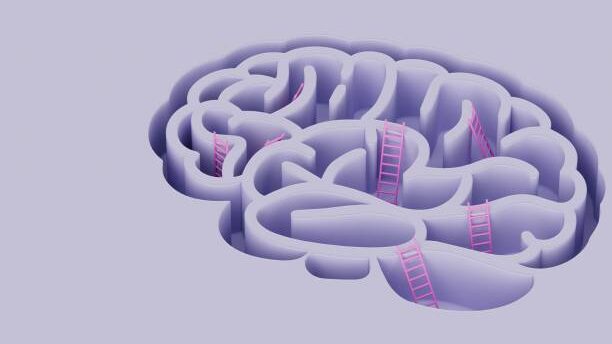
Memory After Midlife
1. Treating Sleep as Something to Catch Up on Later
Sleep isn’t simply downtime for your brain, it stays highly active during sleep, carrying out processes supporting learning, memory, and emotional regulation continuously through the night.
Memory consolidation is one particularly important process here, information gathered during the day gets reorganized and strengthened during sleep, helping new memories become stable and easier to retrieve later. Poor sleep interferes with that directly, you notice more trouble concentrating or remembering names after several nights of inadequate rest.
The problem isn’t one late night, it’s a repeated pattern of poor-quality sleep over time. Catching up on weekends helps with tiredness but doesn’t necessarily erase the effects of chronic sleep loss. A consistent sleep routine genuinely gives memory and attention a better environment to actually work in.
2. Letting Meals Become Nutritionally Unbalanced
Your brain depends on a steady supply of energy and nutrients, that doesn’t mean every meal needs perfection, but long-term dietary gaps make it genuinely harder to supply what brain cells actually need.
Protein supplies amino acids for enzymes and signaling molecules, while healthy fats provide fatty acids that are essential components of cell membranes and nervous tissue directly. Vitamins matter too, B12, folate, iron, and magnesium all participate in processes tied to oxygen delivery and nerve signaling throughout your body.
A highly restrictive diet makes these nutrients harder to obtain, and eating mostly refined food crowds out vegetables, beans, and fish that actually supply them. Your brain doesn’t need a superfood, it needs reliable energy, protein, and essential nutrients supporting its everyday work consistently.
3. Rarely Challenging Your Brain With New Activities
Your brain genuinely benefits from being used in different ways, learning a new skill or navigating unfamiliar places all require attention, memory, and problem-solving working together simultaneously.
These activities build and strengthen connections between nerve cells directly. Researchers use the term cognitive reserve to describe your brain’s ability to cope with age-related changes, and lifelong learning is associated with greater cognitive reserve, though it doesn’t guarantee complete protection from memory disorders.
The key here is novelty and genuine challenge, repeating familiar tasks daily feels comfortable but doesn’t provide the same mental stimulation as learning something unfamiliar. Cooking a new recipe or studying a language works fine, no single puzzle app has been proven to prevent decline alone, a broader lifestyle combining mental activity with movement and social connection matters more.
4. Ignoring Blood Pressure and Other Cardiovascular Risks
Your brain depends on a remarkably rich network of blood vessels, delivering oxygen and nutrients every single second while carrying away waste products continuously throughout your life.
Blood pressure is one of the major forces acting directly on that network, persistently high pressure damages artery walls, making them stiffer over time. That matters enormously for your brain specifically, small vessels become less efficient at delivering blood to tiny tissue areas, and long-term vascular damage raises the risk of stroke and vascular cognitive impairment considerably.
Smoking and high LDL cholesterol compound this further, while diabetes injures small blood vessels directly too. These effects develop quietly, you don’t feel your blood vessels becoming less healthy before a problem appears. Protecting your cardiovascular system genuinely protects your brain simultaneously.
5. Spending Most of the Day Sitting
Physical activity doesn’t only train your heart and muscles, your brain benefits from regular movement too, walking and climbing stairs increase circulation and give your nervous system frequent chances to coordinate.
Exercise supports metabolic health directly, active muscles use glucose more efficiently, improving insulin sensitivity, and your brain depends on steady oxygen and energy supply constantly. A highly sedentary routine reduces these daily benefits considerably, fewer steps and less muscle use gradually reduce physical fitness overall.
There’s a mental side too, regular movement supports mood and reduces the physical effects of prolonged stress directly. Sitting itself doesn’t damage memory, the concern is the overall pattern, long sitting periods often replace the movement maintaining cardiovascular fitness and brain function together.
6. Staying Under Constant Stress Without Enough Recovery
Stress is part of normal life, your body releases cortisol to increase alertness when facing challenges, that’s a completely healthy response working as designed.
The problem arises when stress becomes persistent and your body rarely returns to a calmer state. Cortisol affects brain systems involved in attention and memory directly, during stress your brain focuses more heavily on immediate demands, making it genuinely harder to form new memories or concentrate on details.
Long-lasting stress also interferes with sleep, creating a frustrating cycle where stress and fatigue reinforce each other repeatedly. Occasional stress doesn’t damage memory automatically, the concern is prolonged stress combined with poor sleep and little recovery time. Regular exercise and time outdoors give your nervous system real opportunities to settle.
7. Gradually Losing Contact With Friends and Community
Social connection gives your brain more than companionship, conversations involve remembering details, reading expressions, and following a story, engaging several cognitive systems simultaneously in real time.
Persistent loneliness is associated with greater risk of depression and poorer cognitive health directly, these effects often overlap with sleep problems and reduced activity, compounding pressure on your brain from multiple directions at once. Staying socially engaged works the opposite way though, providing structure and encouraging movement, learning, and emotional support naturally.
This doesn’t mean maintaining a huge social circle, some people thrive with just a few close relationships instead of a busy calendar. The important factor is meaningful connection, your brain genuinely benefits from regular opportunities to communicate and share experiences with other people consistently.
8. Relying Too Heavily on Alcohol or Other Substances
Alcohol affects your brain long before a serious memory problem becomes noticeable, it changes communication between nerve cells directly, interfering with attention, coordination, and the formation of new memories.

Sleep is another major piece here, alcohol may feel sedating initially but disrupts normal sleep patterns later in the night, and repeated poor-quality sleep leaves memory less reliable the following day. Long-term heavy use has more lasting effects too, excessive exposure damages brain tissue and interferes with systems involved in learning directly.
Risk depends on the substance, amount, and pattern of use though, not every drink creates lasting harm. For anyone noticing increasing memory problems, discussing alcohol and medications with a doctor genuinely helps find the full picture, never stop medication abruptly without guidance.
Conclusion
Memory after midlife doesn’t exist in isolation, it depends on sleep, movement, nutrition, stress levels, and your brain’s ongoing ability to adapt to daily demands consistently.
Poor sleep interferes with memory consolidation directly, while too much sitting reduces physical activity your brain genuinely needs. Constant stress keeps your brain focused on immediate demands instead of storing new information, and losing regular social contact removes valuable opportunities for mental engagement entirely.
Blood pressure and cardiovascular risks matter enormously too, healthy blood vessels deliver the oxygen your brain tissue needs every single minute. None of this means one bad night or forgotten name signals serious decline, the bigger issue is the pattern repeated over months and years. A healthy brain doesn’t require a perfect lifestyle, it needs regular sleep, meaningful movement, and social connection creating the daily environment where memory after midlife has the best chance to keep working well.