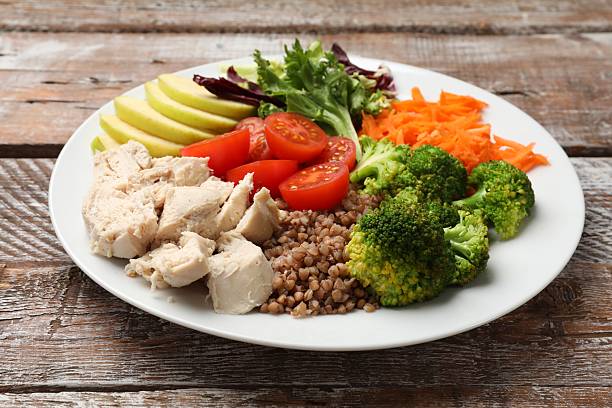
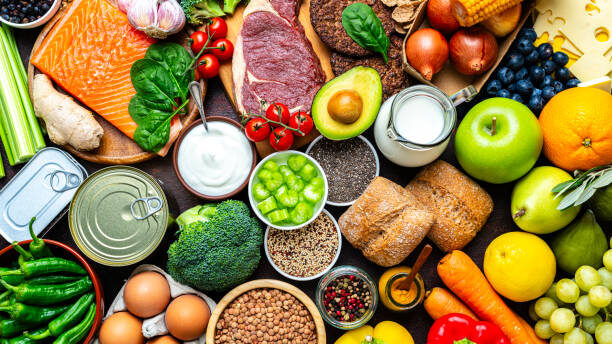
Midlife quietly changes the way your body uses energy. Activity often decreases, muscle mass gradually shifts, and familiar meals no longer fit the way they once did without you really noticing the change.
Portion sizes become genuinely more important during this stage of life, some foods deserve more attention while nutrient-rich foods still deserve plenty of room on your plate. A balanced portion isn’t about eating less of everything across the board, it’s about giving your body the right amount while still providing what it needs for strength and healthy aging. For many people, a few small adjustments make everyday meals feel more balanced without turning food into constant math. Here are seven ways portion sizes genuinely shift during midlife.
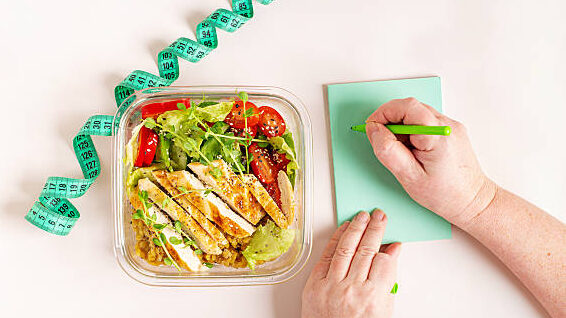
More Attention Of Portion Size
1. Portions May Need to Shrink as Daily Activity Drops
Your body doesn’t burn energy at the same rate throughout adulthood. During midlife, daily movement often decreases as work and family responsibilities take over more sedentary routines entirely.
Muscle mass may gradually decline too, affecting overall energy needs, and you might keep eating the same portions out of habit even though your body is using fewer calories than before. This doesn’t mean every meal needs to shrink dramatically, a modest adjustment is often enough, particularly for calorie-dense food specifically.
Vegetables and whole grains can keep filling a generous part of your plate, while oils and fried food may simply need closer portion awareness. Physical activity still matters considerably, someone who walks regularly needs more food than someone sitting most of the day. It needs stay personal, midlife doesn’t automatically mean eating less overall.
2. Vegetables May Need More Space on the Plate
Vegetables become especially useful when portion sizes need adjusting during midlife. They provide plenty of food volume without adding large amounts of calories to your meal.
Most vegetables are rich in fiber, helping meals feel more filling while supporting healthy digestion and better overall metabolic function. They also contain vitamins and a wide range of plant compounds your body genuinely needs for normal function throughout the day.
A plate filled with vegetables leaves less room for calorie-dense portions elsewhere, letting you make the meal feel generous by changing what actually takes up the most space. Color and variety matter too, leafy greens and peppers provide different combinations of nutrients. Making vegetables a larger part of the plate isn’t restriction, it’s getting more nutrition and fullness from what you’re already eating.
3. Breakfast Portions May Feel Different Than They Once Did
Breakfast can look the same year after year, even as your body’s actual needs keep changing underneath the surface. A large breakfast feels comfortable for an active morning, while a smaller meal suffices for someone sitting most of the morning instead.
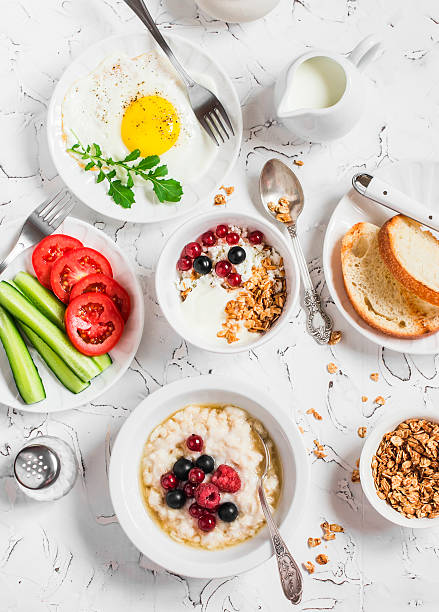
The important part isn’t simply reducing food amount, breakfast should still provide useful nutrition, particularly protein and fiber together. Eggs, Greek yogurt, and oats make a smaller portion feel genuinely satisfying, while sugary cereal provides plenty of calories without keeping hunger away for long.
Appetite changes during midlife too, some mornings bring strong hunger while others don’t, and portion size doesn’t need to stay identical every single day. A balanced breakfast should fit your appetite and activity level rather than following an old habit automatically out of routine.
4. Protein Portions Can Become More Important
Protein becomes increasingly important during midlife because maintaining muscle mass gets more challenging with age. Muscle naturally changes over time, and lower activity makes those changes more noticeable overall.you can also have to know about Mediterranean-Style Eating if you want changes in your portion in a good way.
Instead of making every meal larger, it’s more useful to include a clear protein source in each meal specifically. Eggs, fish, beans, and yogurt all contribute meaningfully, and protein also makes meals more satisfying, pairing it with vegetables helps you feel comfortably full without oversized portions.
Protein needs stay individual too, age, body size, and activity level all influence how much you actually need day to day. The goal isn’t simply eating more protein, it’s giving protein an appropriate place on the plate while keeping the overall meal balanced. A steady protein supply supports strength and healthier aging as your body moves through midlife.
5. Calorie-Dense Foods Can Require More Portion Awareness
Some foods are nutritious but still pack a lot of calories into a small amount. Nuts, oils, and nut butters are good examples worth paying closer attention to.
These foods don’t need to disappear from your diet entirely, nuts and healthy oils provide valuable unsaturated fat and minerals genuinely worth keeping. The challenge is their calories add up quickly though, a small drizzle of oil becomes several spoonfuls, and a handful of nuts quietly turns into several handfuls throughout the day.
Sweets and processed snacks are even easier to overeat since they provide calories without much fiber or protein backing them up. Portion awareness isn’t avoiding calorie-dense food, it’s recognizing a small serving contains far more energy than a similar-sized serving of vegetables. Reasonable portions let these foods remain part of a balanced diet.
6. Dinner Portions Can Become Easier to Overeat
Dinner quietly becomes the largest meal of the day. After a long day, hunger and tiredness make it easier to serve more food than your body actually needs at that point.
Large portions of pasta, bread, or rich sauces add up quickly, and eating while distracted by a screen makes it even harder to notice when comfortable fullness has actually arrived. The problem isn’t dinner itself though, a satisfying evening meal still includes plenty of vegetables and a protein source.
Timing matters too, someone who barely eats during the day arrives at dinner extremely hungry, making portion control considerably harder to manage. A balanced dinner doesn’t need to be tiny, it just needs enough food without turning evening hunger into genuine overeating. Eating more slowly helps you recognize fullness sooner.
7. Portion Control Becomes More About Balance Than Restriction
Portion control easily sounds like a commandto eat less overall. But during midlife, it’s genuinely more useful to think about balance instead of restriction entirely.
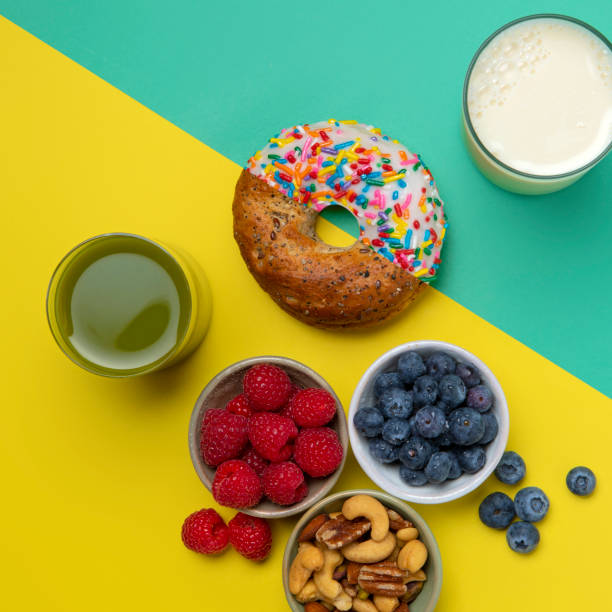
A smaller portion of one food doesn’t automatically make a meal healthier on its own, your plate still needs enough protein, fiber, and healthy fat to support energy and muscle function properly. A balanced meal includes vegetables, a protein source, and a reasonable amount of healthy fat together, providing satisfaction without requiring oversized portions of anything.
Hunger matters too, eating far too little leaves you tired and constantly thinking about food, and restrictive eating is genuinely difficult to maintain over time. Good portion control isn’t making meals as small as possible, it’s making the entire meal work better for your actual needs and appetite.
Conclusion
Portion sizes become genuinely more important during midlife as activity, muscle mass, and energy needs gradually shift together over time. This doesn’t mean everyone needs to eat dramatically less overall, it means paying closer attention to what fills your plate and how much your body actually needs.
Vegetables and other fiber-rich foods provide real volume and nutrition, protein deserves a regular place in meals, and calorie-dense foods may need more portion awareness specifically. Dinner and breakfast portions shift with appetite and daily activity too, the goal was never rigid rules or constant calorie counting throughout the day.
Healthy portion control is about balance, not deprivation. A well-balanced meal provides enough nutrition and satisfaction without regularly exceeding what your body actually needs. Small adjustments made consistently support healthy weight management, strength, and better nutrition throughout midlife, making portion sizes work with your body instead of against it.