Sodium sneaks into your diet without you ever touching a salt shaker. A sandwich at lunch, a bottled sauce at dinner, a bag of chips in the afternoon, none of it tastes especially salty, but it adds up fast.
Here’s the tricky part. A lot of high-sodium foods don’t taste salty at all. Sodium hides in bread, condiments, processed meat, restaurant meals, and canned goods without announcing itself.
You do need some sodium, your body uses it for fluid balance, nerves, and muscle function. The real problem is consistently getting way more than you need, which raises blood pressure for a lot of people, especially in midlife. The good news is cutting back doesn’t mean bland food or a totally different diet. Small changes make a real difference, starting with noticing the habits quietly pushing your sodium intake higher.
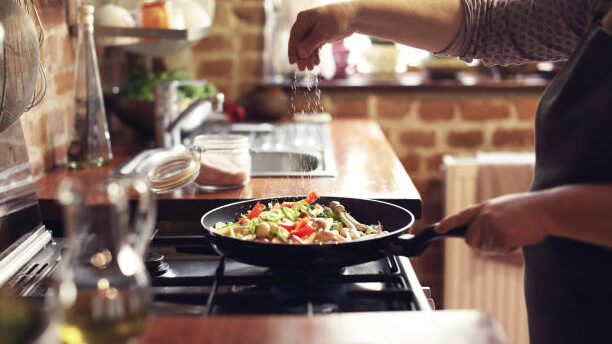
Sodium Intake Habits
1. Salting Before You’ve Even Tasted the Food
Reaching for the salt shaker before the first bite can become completely automatic. You barely notice you’re doing it, but that habit adds sodium before you’ve even tasted whether the food needs it.
Salt itself isn’t the villain here. Your body genuinely needs sodium for nerve function, muscle activity, and fluid balance. The issue is consistently going way past what you actually need. A lot of foods already come loaded with bread, cheese, sauces, canned goods, so salting on top just pushes your daily total higher without you realizing it.
Try tasting first. Fresh herbs, garlic, black pepper, lemon juice, and vinegar add real flavor without leaning on salt at all. Some meals genuinely need extra seasoning, and that’s fine. The point is making it a conscious choice instead of a reflex. Breaking that habit sounds small, but over months it makes a real dent in your overall sodium intake.
2. Leaning on Packaged Food During Busy Weeks
Busy days make packaged food feel like the obvious answer. A frozen lunch, canned soup for dinner, a few crackers between meetings, none of it feels excessive on its own. Stack them together though and your sodium intake climbs fast.
Packaged food uses sodium for flavor, preservation, and texture, often more than you’d guess from a small portion. Eat several convenience foods in one day and the total adds up quicker than expected.
You don’t need to cut packaged food entirely. Checking labels lets you compare similar products and pick lower-sodium versions. No-salt-added canned beans, frozen vegetables, and plain grains make convenient meals easier to build without the sodium spike. Cooking at home more often gives you more control, and it doesn’t need to be elaborate, grilled chicken with frozen vegetables and rice comes together fast. The real issue isn’t convenience, it’s letting packaged food become the foundation of nearly every meal.
3. Treating Processed Meat as Your Easy Protein
Deli meat, bacon, sausage, and hot dogs make lunch fast, but they typically come loaded with it you don’t taste directly. A sandwich with a few slices of deli meat pulls sodium from the meat, the bread, the cheese, and whatever condiment you added, and none of those ingredients has to taste salty for the total to add up.
Processed meat becomes a habit partly because it needs zero preparation, which makes it easy to reach for several times a week without thinking twice.
Fresh protein gives you real alternatives. Eggs, fish, chicken, beans, lentils, and unsalted nuts add variety while keeping your sodium intake in check. You don’t need to eliminate processed meat completely, eating it less often and choosing lower versions when they’re available is a genuinely practical middle ground. Protein still matters, especially for muscle in midlife, the real lesson is looking past the protein number and considering everything riding along with it.
4. Trusting “Healthy” Packaging Without Checking Labels
A package can look totally healthy and still be loaded with sodium. Words like natural, multigrain, or heart healthy tell you nothing about what’s actually inside.
Protein bars, whole-grain bread, vegetable soup, and ready-to-eat bowls marketed as nutritious can carry surprising amounts of added sodium for flavor and shelf life. The nutrition label gives you the real picture, check the sodium per serving, and pay attention to serving size since one package sometimes holds more than one serving.
Choosing lower-sodium versions doesn’t mean giving up convenience. Most grocery stores now stock reduced-sodium soups, sauces, and frozen meals right next to the regular versions. What matters more than any health claim on the front of a box is your actual total sodium intake across the day. A few seconds reading labels turns an assumed healthy choice into an actually informed one.
5. Drinking More Sodium Than You Realize
It doesn’t only show up on your plate. Sports drinks, broths, bouillons, and certain ready-to-drink beverages often carry added sodium you wouldn’t expect from a drink.
If you’re exercising hard or sweating heavily for a long stretch, electrolyte replacement genuinely serves a purpose. For ordinary daily activity though, drinking these regularly adds sodium your body doesn’t actually need. Broth is especially easy to overlook, a warm cup feels like a light snack, but plenty of commercial varieties pack in real sodium.
Water covers routine hydration just fine for most people. If you need electrolyte replacement due to illness, heavy sweating, or a medical condition, that decision depends on your specific situation. Checking the label on drinks reveals sodium that would otherwise go completely unnoticed, and choosing lower-sodium broth or unsweetened drinks makes a real difference over time.
6. Pouring Sauces Without Checking What’s Inside
Sauces make food taste better fast, but they also add sodium fast. Ketchup, soy sauce, barbecue sauce, salad dressing, and bottled marinade often carry a surprising amount in a small serving.
Portion size is the sneaky part here. You use a few spoonfuls without thinking twice, especially on a sandwich or stir-fry, and that stacks on top of whatever’s already in the main dish.
Checking the label before buying makes comparing brands easy, and the sodium difference between similar products is often bigger than you’d expect. Lower-sodium versions still deliver real flavor. You can also build flavor at home with lemon juice, vinegar, garlic, ginger, and fresh herbs instead of leaning entirely on a bottle. Sauces don’t need to disappear from your kitchen, they just work better as an accent instead of something poured over everything without a second thought.
7. Eating Out More Often Than You Realize
Restaurant meals make busy days easier, but they quietly raise your sodium intake more than home cooking usually does. Cooks lean on salt, sauces, and marinades to build flavor fast, which means a single meal can pull sodium from several sources at once.
Portion size adds another layer, since restaurant entrées often serve more food than you’d plate at home. Soups, sandwiches, pizza, and Asian-inspired dishes tend to run especially high depending on how they’re prepared.
None of this means giving up eating out. Asking for sauce and dressing on the side puts you back in control. Choosing grilled options, extra vegetables, or plain rice helps too, and sharing a large entrée or taking half home cuts down what you actually eat in one sitting. An occasional restaurant meal isn’t going to shift your overall sodium intake much, the real issue is eating out several times a week without any adjustments.
8. Writing Off Salty Snacks as Harmless
A handful of chips feels too small to matter, right up until it happens several times a day. Each snack adds up quietly, especially when the actual portion is bigger than the label suggests.
Chips, pretzels, salted nuts, and crackers are easy to eat fast, which makes mindless grazing incredibly common. You finish one snack while working, then reach for another later without ever adding up the total.
Portion awareness genuinely helps here. Pour a snack into a small bowl instead of eating from the bag and the amount becomes visible instead of invisible. Unsalted nuts, fresh fruit, and yogurt make solid lower-sodium swaps. Nobody’s saying ban salty snacks entirely, occasional ones fit fine into a balanced diet. The real concern is letting them become an automatic part of every afternoon without a second thought.
9. Overlooking Sodium at Breakfast
Breakfast doesn’t taste salty, but plenty of morning foods carry more than you’d guess. Bread, cereal, cheese, processed breakfast meat, and instant oatmeal all contribute to your daily total before noon even hits.
Stack a few of these together and it adds up fast. A breakfast sandwich alone might combine processed meat, cheese, bread, and a sauce, and toss in a packaged side and the sodium climbs before your day has really started.
Eggs themselves are naturally low, the real concern is everything piled around them. Fresh eggs with vegetables, plain oats, or lower-sodium bread create a genuinely balanced morning. Comparing labels between two similar cereals or breads often reveals a bigger sodium gap than you’d expect. Breakfast doesn’t need to get complicated, simple foods made at home make sodium a lot easier to control.
If you want to know what more cause High or Low Blood Pressure.
Conclusion
It creeps into your day through habits that barely register, salting before tasting, leaning on packaged food, pouring on sauces, snacking without thinking, and eating out more than you realize. None of these habits need to disappear completely.
The real goal is just awareness. Read labels, compare similar products, lean on fresh food more often, and use herbs and spices for flavor instead of salt. Sodium isn’t the enemy, your body genuinely needs it, the concern is consistently getting too much, especially if you’re sensitive to its effect on blood pressure. A little less sodium intake at each meal adds up to something meaningful by the end of the week, and none of it requires a perfect diet, just noticing where it’s quietly hiding.