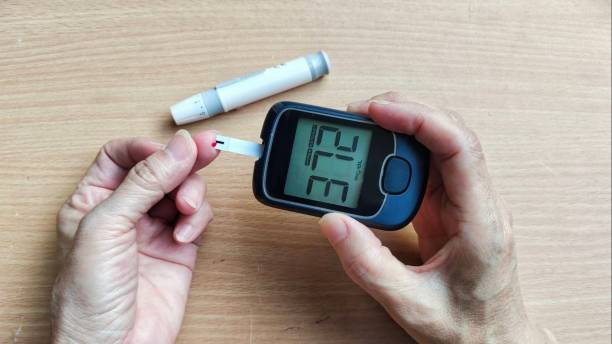
Type 2 diabetes rarely arrives with a dramatic warning. Blood sugar can stay elevated for quite a while as the early signs blend right into ordinary daily life without raising any alarm.
You might feel thirstier than usual, wake up more often to use the bathroom, or notice familiar tasks suddenly leaving you unusually drained. Other changes are even easier to dismiss entirely, blurry vision comes and goes, a small cut takes longer to heal, tingling in your feet feels like a passing annoyance.
None of these symptoms automatically mean diabetes, plenty of other conditions cause similar changes. But persistent or unexplained symptoms deserve real attention, especially when several show up together at once. Type 2 diabetes develops when your body becomes less responsive to insulin, eventually struggling to keep blood glucose within a healthy range. Here are seven early clues worth taking seriously.
Type 2 Diabetes
1. Thirst Starts Becoming Hard to Satisfy
Feeling unusually thirsty seems harmless on a hot day, but persistent thirst can sometimes signal that blood sugar is running higher than it should be.
When glucose builds up in your bloodstream, your kidneys try removing the excess through urine, and glucose pulls extra water along with it, causing real fluid loss. As that loss increases, your brain responds with a stronger thirst sensation, ordinary amounts of water stop feeling satisfying, and you’re reaching for drinks far more often than before.
This typically pairs with increased urination, especially at night, making the combination a genuinely useful clue since the thirst comes from repeated fluid loss rather than simple preference. Persistent thirst without an obvious explanation, especially alongside frequent urination or fatigue, is worth checking with a simple blood-glucose test.
2. Energy Keeps Disappearing Without a Clear Reason
Feeling tired after a long day is normal, but persistent fatigue that keeps returning without explanation is a completely different thing worth paying attention to.
Type 2 diabetes affects energy because glucose isn’t being handled normally, insulin normally moves glucose from your bloodstream into cells for energy, and with insulin resistance, cells stop responding effectively. Your pancreas produces more insulin to compensate, but glucose often stays elevated anyway, creating an odd mismatch, plenty of glucose in your blood, yet your tissues aren’t using it efficiently.
Your body starts relying more on stored fat for fuel, while prolonged high blood sugar disrupts sleep, particularly with frequent nighttime bathroom trips. Fatigue alone can’t diagnose diabetes, but unexplained tiredness alongside thirst or frequent urination makes checking blood glucose a genuinely sensible step.
3. Vision Becomes Blurry or Less Consistent
Vision sometimes changes when blood glucose moves outside its usual range, and for some people, blurry vision appears and disappears rather than staying constant throughout the day.
The reason involves your eye’s natural lens, changes in blood glucose alter the fluid within the lens and surrounding tissue, temporarily changing lens shape and its ability to focus light properly. You might notice reading feels less comfortable, or that vision seems different from one day to the next entirely.
These changes don’t necessarily mean permanent damage, temporary blurry vision often happens when glucose levels shift quickly. Long-term high blood sugar is a separate concern though, persistent elevation damages the small vessels supplying your retina, raising diabetic retinopathy risk. A new vision change alongside thirst or fatigue deserves real blood-glucose testing, not just a new glasses prescription.
4. Bathroom Trips Start Happening More Often
Needing the bathroom more often gets blamed on aging or extra coffee easily, but frequent urination also appears when blood glucose stays unusually high for a while.
When glucose rises above what your kidneys can fully reabsorb, some passes into your urine, pulling extra water along with it through a process called osmotic diuresis. In simple terms, your kidneys pull more water out along with the excess glucose, resulting in larger urine volume and more frequent trips overall.
Nighttime urination often becomes particularly noticeable, someone who once slept through the night suddenly wakes several times, followed by increased daytime thirst. The pattern becomes more suggestive of high blood sugar specifically when it appears alongside excessive thirst or unexplained fatigue together, making blood-glucose testing a reasonable next step.
5. Cuts and Minor Injuries Seem to Heal More Slowly
A small cut usually starts healing almost immediately, blood vessels tighten, immune cells arrive, and your body begins rebuilding damaged tissue right away.
Persistently high blood sugar interferes with several parts of that process directly, elevated glucose affects the small vessels supplying your skin, potentially reducing oxygen and nutrient delivery needed for repair. High blood sugar also disrupts immune-cell function, making it harder for your body to respond to bacteria and control inflammation around any injury.

This becomes especially important in your feet, reduced circulation and nerve damage make injuries harder to notice while slower healing lets small wounds become more serious. Repeatedly noticing that small cuts take unusually long to heal, especially alongside other symptoms, genuinely deserves medical attention rather than being brushed off as normal aging.
6. Tingling or Numbness Starts Appearing in Your Feet
Tingling in your feet feels like a temporary annoyance after sitting awkwardly, but repeated tingling, burning, or reduced sensation can sometimes point to real nerve problems.
Persistently high blood sugar damages nerves and the small vessels supplying them over time, interfering with normal signal transmission between nerves and your brain. This condition, diabetic peripheral neuropathy, often begins in your feet since the longest nerves are particularly vulnerable to this kind of injury.
You might describe it as pins and needles or burning, or notice the opposite, feet feeling less sensitive than they used to be entirely. That loss of sensation creates another concern too, a blister or small wound can go completely unnoticed. Repeated changes in sensation, especially alongside other symptoms, deserve a real conversation with your doctor about blood-glucose testing.
7. Hunger Increases Even After Regular Meals
Persistent hunger is genuinely confusing, you eat a normal meal and still feel ready for another one shortly afterward without any clear reason why.
Type 2 diabetes contributes to this through insulin and glucose problems directly, insulin resistance means your cells respond less effectively, and while your pancreas produces more insulin to compensate, glucose often stays elevated while tissues use it inefficiently. This creates a mismatch between blood glucose and actual energy availability inside your cells, keeping appetite stronger than it should be.
High blood sugar also causes increased urination and fluid loss, and poor sleep from frequent nighttime trips further affects hunger and food choices. Increased hunger isn’t specific to diabetes alone, but persistent, unexplained hunger alongside thirst or fatigue is a genuinely useful reason to discuss blood-glucose testing with your doctor.
Conclusion
Type 2 diabetes develops quietly, which makes these early changes remarkably easy to dismiss as ordinary life. Persistent thirst, frequent urination, unexplained fatigue, blurry vision, slow-healing wounds, tingling feet, and unusual hunger all deserve closer attention when they show up.
None of these signs alone proves you have diabetes, each has plenty of other possible explanations on its own diabetes. The real concern grows when symptoms are new, persistent, or begin appearing together rather than staying isolated incidents.
The good news is that type 2 diabetes can usually be detected through straightforward blood-glucose testing available at any doctor’s office. Finding elevated blood sugar earlier gives you and your healthcare team more time to address the problem and meaningfully reduce the risk of long-term complications. Your body doesn’t always shout when blood sugar (Diabetes) is rising, sometimes it leaves small clues first, and paying attention to those clues simply gives a possible problem less time to go unnoticed.