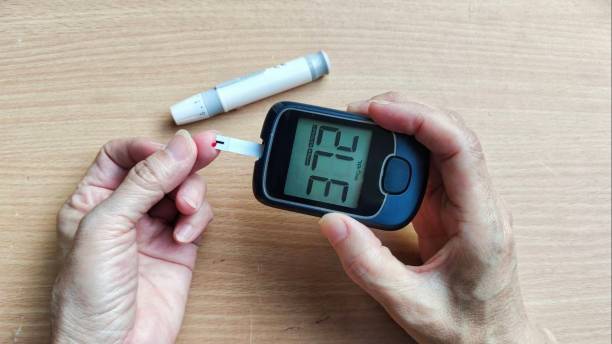
High blood sugar doesn’t always show up as constant thirst or crushing fatigue. Sometimes it’s quieter than that, easy to blame on stress, bad sleep, getting older, or just a long week. Vision goes a little fuzzy. A cut takes longer than it should to close up. An old pair of shoes suddenly feels wrong because the feet are tingling in a way they never used to.
These changes tend to creep in slowly, building as glucose stays elevated in the blood for weeks or months at a time. Nerves, eyes, the immune system, circulation, and the body’s ability to heal itself can all take a hit before anyone connects the dots.
None of this means every odd symptom is a blood sugar problem. Most of these signs have a dozen possible explanations. But when something keeps recurring, or several show up around the same time, it’s worth paying attention rather than shrugging it off. The body tends to whisper a while before it starts shouting.

High Blood Sugar Signs
1.Vision Starts Drifting In and Out of Focus
Blurry vision can show up out of nowhere when blood sugar spikes or drops quickly. Words on a page look slightly fuzzy. Screens feel harder to read than they did last month. Distance vision shifts from one day to the next for no obvious reason. It feels like a prescription problem, but shifting glucose levels can actually change the shape of the lens inside the eye temporarily.
The frustrating part is that these changes come and go, which makes them easy to write off. But when blood sugar stays high for long stretches, the damage can become less temporary, eventually reaching the blood vessels inside the retina.
Sudden or lingering vision changes deserve a proper look, both an eye exam and a blood sugar check. Plenty of ordinary eye conditions cause blurriness too, so it’s not automatically glucose. Still, catching a pattern early beats waiting until it turns into something harder to reverse.
2.Tingling Feet Become a Regular Visitor
A little pins-and-needles feeling in the feet is easy to ignore the first few times. Mild burning, occasional numbness, a weird sensitivity that comes and goes. But when glucose stays elevated for a long time, these sensations start showing up more often and lasting longer.
High blood sugar can damage nerves, especially the small ones that run down to the feet and lower legs. This is diabetic peripheral neuropathy, and it gradually dulls or distorts how someone feels heat, cold, pressure, and pain. Some people notice it worst at night. Others just realize one day that their feet don’t feel quite like they used to.
Tingling feet aren’t proof of high blood sugar on their own. Vitamin deficiencies, pinched nerves, and certain medications cause similar sensations. Even so, recurring numbness or burning is worth mentioning to a doctor. Nerve damage is one of those things that’s far easier to catch early than to undo later.
3.Small Cuts Take Forever to Heal
A minor scrape usually disappears from memory within a few days. When blood sugar runs high, though, even a small nick from shaving or a scratch from the yard can stay irritated far longer than it should.
Elevated glucose interferes with the blood vessels and nerves that normally handle wound repair. Circulation slows down, which makes it harder for oxygen and nutrients to reach the damaged area. Nerve changes can also mean an injury goes unnoticed longer than it would otherwise. On top of that, high blood sugar makes it harder for the body to fend off infection in the meantime.
One slow-healing cut isn’t a diagnosis. Age, smoking, circulation issues, and various medications can all delay healing on their own. But a pattern of wounds that just won’t cooperate, especially alongside other symptoms on this list, is worth bringing up at a checkup. Catching it early protects the body’s basic ability to repair itself.
4.Skin Starts Acting Up for No Clear Reason
Skin has a way of showing what’s happening underneath. When glucose stays elevated, some people notice dryness, itchiness, or irritation that regular lotion just doesn’t fix. The skin on the hands, legs, or feet can feel unusually tight, and the usual remedies stop working the way they used to.
Several things can be going on at once. Increased urination from high blood sugar pulls fluid out of the body, which contributes to dryness. Poor circulation and nerve changes can make skin more prone to irritation and slower to bounce back from minor damage. Some people also end up dealing with recurring skin infections they didn’t have before.
Dry, itchy skin has plenty of ordinary causes: weather, allergies, medication side effects, common skin conditions. It’s not automatically a sugar problem. But when it shows up next to increased thirst, blurry vision, or slow-healing cuts, it starts painting a bigger picture. A routine glucose test can settle the question either way.
5.Hunger Comes Back Right After Eating
A full meal is supposed to hold hunger off for a while. When blood sugar runs high, though, some people feel hungry again shortly after eating, like the meal never really landed.
The mechanics come down to insulin. When insulin isn’t working efficiently, glucose has trouble getting from the bloodstream into the cells that actually need it for energy. The body senses that cells are running low even though the blood itself is carrying plenty of sugar, and it responds by cranking up hunger signals.
Frequent hunger has other explanations too: not enough protein or fiber, poor sleep, stress, certain medications. It’s not an automatic sign of high blood sugar. But combined with increased thirst, more frequent bathroom trips, blurry vision, or unexplained weight changes, it’s worth asking a doctor for an A1C or glucose test rather than assuming it’s just a bigger appetite.
6.Headaches Start Showing Up More Often
An occasional headache after a rough night’s sleep is nothing unusual. But for some people, headaches start appearing more regularly alongside shifts in blood sugar. Fast swings, up or down, can throw off the body’s energy supply and leave someone feeling foggy, shaky, or just off.
Dehydration piles onto the problem. High blood sugar pushes the kidneys to pull more water out of the body through increased urination, and that fluid loss on its own can trigger headaches, dizziness, and tiredness.
Headaches have more causes than almost any symptom on this list: tension, migraines, caffeine changes, poor sleep, medication side effects. One bad headache day means nothing. A pattern of them showing up alongside thirst, frequent urination, or blurry vision is a different story, and it’s worth checking blood sugar rather than reaching for painkillers indefinitely.
7.Infections Keep Coming Back
When blood sugar stays elevated, the immune system doesn’t operate at full strength. That opens the door to recurring infections, particularly urinary tract infections, yeast infections, and certain skin infections. Problems that used to clear up quickly start dragging on or coming back within weeks of finishing treatment.
High glucose creates conditions that let certain microorganisms thrive more easily, and it also interferes with the immune cells that are supposed to be fighting them off. Put those two things together, and the body ends up losing fights it used to win without much trouble.
Recurring infections aren’t proof of high blood sugar by themselves. Medications, hormonal shifts, and other immune issues can cause the same pattern. Still, when infections keep returning alongside thirst, frequent urination, or slow-healing wounds, a glucose or A1C test is a reasonable next step, not an overreaction.
Conclusion
High blood sugar rarely announces itself clearly. More often it’s blurry vision one week, tingling feet the next, a cut that won’t close, skin that won’t stop itching, hunger that won’t quit, headaches that won’t let up, or infections that won’t stay gone. None of these symptoms proves anything on its own, and most have other explanations. What matters is the pattern, especially when a few of them start overlapping.
A simple blood glucose or A1C test can settle the question quickly, and catching a problem early leaves far more room to fix it through diet, movement, and medical care before it turns into something bigger. The body tends to give plenty of warning. The only real mistake is waiting too long to listen.