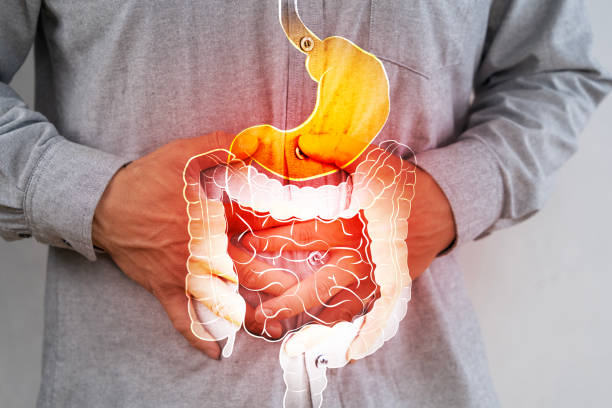
Nobody thinks about digestion until something feels off. A little bloating, an odd bowel pattern, or some heartburn, and suddenly everyone’s got theories about their gut health.
The problem is most popular digestion rules are way too simple. Fiber is always good. You need a bowel movement every day. Detox drinks clean out your gut. Probiotics fix everything. These ideas sound convincing, but your digestive health is a lot more individual than any of that.
Age adds another layer too. Your eating patterns, medications, activity, stress, and sleep all shape digestion differently in midlife. Not every change signals a problem, plenty of variation is completely normal. But persistent or worsening symptoms shouldn’t get brushed off as just getting older either. Separating the myths from the facts makes managing your digestive health a lot easier, and sometimes it starts with questioning advice you’ve heard for years.

Common Misconceptions
1. More Fiber Is Always Better (Gut Microbiota)
The gut microbiota is a complex component of the gastrointestinaltract and is comprised of over 100 trillion microorganisms.
Fiber gets treated like a digestive health superhero, and it earns some of that reputation. It supports regular bowel movements, feeds the beneficial bacteria in your gut microbiota, and keeps meals satisfying longer.
But more isn’t automatically better. Suddenly loading up on fiber can leave you bloated, gassy, and uncomfortable, especially if you rarely eat much fiber to begin with. Your fiber needs are personal too. Some people handle beans and lentils fine, others feel it immediately, and the type of fiber matters, soluble and insoluble fiber affect digestion differently.
A gentler approach works better for most people. Increase fiber gradually, drink enough water, and mix up your sources, beans, oats, vegetables, and nuts all contribute usefully. There’s no need to force huge portions just because a food is labeled healthy. Good digestive health isn’t about eating the maximum fiber possible, it’s about finding the amount that keeps you regular without your stomach constantly complaining.
2. Detox Drinks Clean Out Your Gut
Detox drinks promise a spotless digestive tract after a few days of juice or herbal tea. Tempting, especially after a heavy weekend of eating, but your gut doesn’t need a commercial cleanse to do its job.
Your body already runs a continuous process for handling food and waste. Your stomach, intestines, liver, and kidneys work together nonstop, no proven drink scrubs toxins or years of buildup out of a healthy digestive tract. Some detox products just stimulate bowel movements, which creates the feeling of being “cleaned out” without actually removing anything harmful. Overdo it and you risk diarrhea, dehydration, or electrolyte problems instead.
A much less dramatic approach works better. Eat enough fiber, drink appropriate fluids, stay active, and keep your diet varied, that supports normal digestive health far more than any weekend reset ever could. Your gut needs the same basic support every single day, not an occasional flush.
3. Heartburn Always Means Too Much Acid
Heartburn feels like a simple case of excess stomach acid, but that explanation misses the real story. Heartburn usually happens because stomach contents move backward into your esophagus, a process called acid reflux.
Your lower esophageal sphincter normally keeps stomach contents from moving back up. When that muscle relaxes at the wrong time or weakens, reflux happens, and the acidic contents irritate your esophagus lining, creating that familiar burning feeling. Certain foods, big meals, alcohol, smoking, extra weight, and lying down right after eating all make it more likely for some people, though triggers vary a lot from person to person.
Acid-suppressing medication helps plenty of people with frequent reflux, but heartburn doesn’t always mean you need more medication. Persistent symptoms deserve real evaluation, especially if they happen often or mess with your daily life. Trouble swallowing, unexplained weight loss, vomiting, bleeding, or ongoing chest discomfort need prompt medical attention. Digestive health here comes down to more than just “too much acid,” it’s about the mechanics of reflux and how often it’s actually happening.
4. Gas and Bloating Always Mean Something’s Wrong
Gas and bloating feel uncomfortable, but they’re not automatically a sign your digestive health is in trouble. Your gut naturally produces gas as bacteria break down certain foods in your intestines, and swallowed air adds to that too.
Bloating shows up after big meals or foods that are just harder to digest. Beans, lentils, dairy, and carbonated drinks trigger it in certain people, and eating fast increases swallowed air, which makes your belly feel fuller than it actually is. What matters most is the pattern. Occasional gas that settles on its own is a lot less concerning than symptoms that stick around, get worse, or feel severe.
Keeping a simple food and symptom log can reveal your personal triggers. Eating slower, cutting back on huge meals, and adding fiber gradually all help too. Persistent bloating alongside unexplained weight loss, blood in your stool, or severe pain needs a doctor’s evaluation. A little digestive noise is completely normal, your gut is a busy system, and occasional gas is just part of how it works.
5. Daily Bowel Movements Are the Only Healthy Sign
There’s no universal schedule for a healthy bowel movement. Some people go once or twice daily, others go a few times a week, and frequency alone doesn’t determine whether your digestive health is actually fine.
What matters more is your usual pattern and how you feel. Comfortable movements, normal consistency, and no significant straining are far more useful signs than counting bathroom trips. Diet, hydration, activity, medications, and stress all shape your bowel habits, and increasing fiber while staying hydrated genuinely supports regularity.
A sudden change deserves more attention though. Persistent constipation, ongoing diarrhea, blood in your stool, or unexplained weight loss should get discussed with a doctor. There’s no prize for a bowel movement every morning. A healthy digestive system doesn’t need to follow anyone else’s timetable, the real goal is a comfortable, predictable pattern that’s normal specifically for you.
6. Eating Late Always Damages Digestion
Eating late at night gets treated like it automatically wrecks your digestion, but the reality is more nuanced. For plenty of people, an evening meal is completely normal, especially with work schedules or family routines pushing dinner later.
The bigger issue is usually eating a big meal and lying down right after. That makes reflux more likely since stomach contents can move back toward your esophagus when you recline. Spicy food, fatty meals, chocolate, and alcohol can also trigger nighttime discomfort for some people, though triggers vary individually.
Late eating sometimes ties into extra snacking too, someone eating in front of the TV every night might consume more calories than they realize, which is more of an eating-pattern issue than proof that late eating itself damages digestive health. If you get frequent nighttime heartburn, try finishing meals earlier and waiting before lying down. Persistent reflux deserves medical attention rather than just blaming the clock. Your gut doesn’t shut down after sunset, meal size and food choices matter far more than the hour.
7. Probiotics Work the Same for Everyone
Probiotics get marketed as a simple fix, take the right supplement and your gut instantly improves. The reality is a lot more complicated than that.
Probiotics aren’t one single type of bacteria. Different strains do different things, and a product that helps one digestive issue might do nothing for another. Your existing gut environment matters too, diet, medications, age, and other factors all shape the bacteria already living in your gut, which means the same probiotic behaves differently from person to person.
Food choices still matter most here. Fiber-rich vegetables, beans, and whole grains support beneficial gut bacteria naturally, and fermented foods like yogurt or kefir can fit in too depending on your tolerance. Probiotics are generally safe for healthy people, but they’re not automatically right for everyone, especially anyone with a weakened immune system. A probiotic supplement isn’t a universal fix for digestive health, sometimes a varied diet does more good than another bottle on the shelf.
8. Digestive Problems Are Just Part of Getting Older
Digestion does change with age, but ongoing digestive problems shouldn’t get automatically written off as normal aging. Activity levels, diet, medications, and sleep all shift during midlife and genuinely affect your digestive health.
Constipation becomes more common when activity drops or certain medications get introduced, and reflux can become more noticeable for some people too. But ongoing symptoms deserve real attention, not a shrug. Persistent abdominal pain, unexplained weight loss, blood in your stool, or a lasting change in bowel habits can signal something that needs proper evaluation, not an assumption that it’s just age.
Regular movement, adequate fiber and fluids, and reviewing your medications with a doctor all support digestive health as you get older. Routine checkups give you a chance to flag changes before they become disruptive. Aging can change digestion, but it should never be the automatic excuse for ignoring a body that’s clearly sending unusual signals.
Conclusion
Digestion is genuinely individual, and a lot of popular rules make it seem way more complicated than it actually is. More fiber isn’t always better, daily bowel movements aren’t required for everyone, and eating late doesn’t automatically wreck anything. Gas and bloating are often just normal, probiotics don’t work identically for everyone, and no detox drink replaces what your body already does on its own.
Age brings changes, but persistent symptoms still deserve real attention rather than a shrug about getting older. The truth is your digestive health usually responds well to simple, boring habits, a varied diet, enough fiber and fluids, regular movement, and paying attention to your own personal triggers. Good digestive health was never about following every rule you find online, it’s about knowing what’s normal for you and taking real changes seriously when they show up.