Type 2 diabetes rarely announces itself. It creeps in through a thousand small decisions, the extra scoop at dinner, the skipped walk, the late night that becomes a habit, until one day a blood test reveals what years of ordinary life had already been building toward.
The reassuring part is that most of those decisions are reversible. A short walk after dinner, a slightly better breakfast, a full night’s sleep. None of it demands a gym membership or a personality overhaul. Diabetes risk isn’t primarily a story about willpower or extreme discipline, it’s a story about food, movement, sleep, stress, and the occasional blood test, repeated with enough consistency that the body notices.
Genetics still matters, of course, and no habit erases family history entirely. But the everyday choices that seem too small to count turn out to be exactly the ones that add up, quietly, over years.

One Ordinary Day at a Time
1. A Walk After Dinner
There is something almost absurdly simple about the fact that walking after a meal actually changes what happens inside your bloodstream. Your muscles pull in glucose for fuel, and moving them right after eating blunts the blood sugar spike that follows, especially after a carb-heavy plate.
The walk doesn’t need to be brisk or long. A slow loop around the block, a stroll through a store, even pacing the living room counts. What matters is consistency, not intensity, and doing it often enough that it becomes automatic rather than aspirational. People managing existing conditions should factor in their own limitations and medications, and anyone who feels dizzy or unusually weak during activity should check in with a doctor.
A ten-minute walk will not undo a diet built on fast food. But it does something quietly useful: it puts the body in motion at precisely the moment blood sugar is asking for help.
2. Meals Built Around Protein and Fiber
Protein and fiber are the two ingredients most likely to make a meal actually satisfying, the kind that doesn’t have you back in the kitchen an hour later. Protein preserves muscle and keeps you full. Fiber slows digestion, adds bulk, and softens the blood sugar rise that follows eating.
The formula isn’t complicated. Eggs and vegetables at breakfast. Chicken, beans, and brown rice at lunch. Fish or lentils with a fiber-rich grain at dinner. None of this requires eliminating carbohydrates, oats, beans, and whole fruit bring their own fiber along with them.
No single meal prevents diabetes. But a plate that leans on protein and fiber does something practical: it quiets hunger long enough that the rest of the day doesn’t become a negotiation with cravings.
3. Portions That Don’t Quietly Expand
Portions have a way of growing without anyone noticing, an extra spoonful here, a bigger sandwich there, until a year has passed and the plate looks nothing like it once did. Eat consistently more than the body needs and weight creeps up, particularly around the abdomen, where excess fat is closely tied to insulin resistance, the condition in which cells stop responding properly to insulin and blood sugar has a harder time finding its way out of the bloodstream.
This isn’t an argument for smaller lives or constant calorie counting. A smaller plate, food served before sitting down, and a plate weighted toward vegetables and lean protein can do most of the work without turning dinner into an exercise in restraint.
Weight is only one variable in diabetes risk, and no amount of portion control guarantees immunity. But keeping servings reasonable gives the body a fighting chance at maintaining the insulin sensitivity it needs.
4. Strength Training, for the Muscle It Preserves
Muscle does more than let you lift things. It is one of the body’s primary sites for absorbing glucose from the blood, which makes muscle mass a genuinely metabolic asset, not just a cosmetic one.
Muscle naturally declines with age, especially without resistance work, and less muscle means less tissue available to soak up glucose. Squats, rows, resistance bands, or simple bodyweight exercises all give muscle a reason to stick around. None of this requires heavy lifting, a beginner can start light and build gradually.
Strength training won’t guarantee protection from diabetes any more than any other single habit. But a body with more muscle has more places to send the sugar it’s constantly processing, which is a quiet, structural kind of advantage.
5. Choosing Whole Foods Most of the Week
Whole foods, vegetables, beans, whole grains, nuts, fish, tend to arrive with fiber and nutrients built in, without the added sugar and refined starch that sneaks into so much packaged food. That isn’t an argument against convenience entirely. Frozen vegetables, canned beans, and plain yogurt are still genuinely useful, and nobody needs to cook from scratch every night to eat well.
The real risk shows up when processed food becomes the default at nearly every meal, which quietly increases calorie intake while starving the diet of fiber. Small substitutions, an extra serving of vegetables, whole grains instead of refined ones, fruit instead of a packaged snack, shift the balance over time without requiring a dramatic overhaul.
No single food prevents type 2 diabetes. But a diet built mostly around whole foods gives the body a steadier foundation to work from diabetes.
6. Regular Blood Sugar Checks
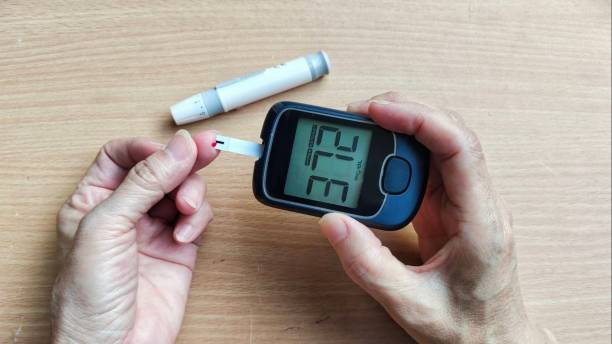
Blood sugar can climb for years without producing a single symptom, which is precisely why routine checkups matter, especially for anyone carrying known risk factors. A blood glucose or A1C diabetes test, alongside blood pressure and weight, offers a clearer picture of where things actually stand rather than where they feel like they stand.
The value isn’t in anxious, constant monitoring. Diabetes in catching a meaningful shift early enough to act on it. Family history, age, excess weight, inactivity, and a history of gestational diabetes all raise the odds, and people in those categories should talk with a doctor about how often to diabetes test.
A person cannot feel rising blood sugar the way they feel a fever. Sometimes the only warning sign is a number on a lab report, quietly waiting to be noticed before it becomes something bigger.
7. Water, More Often Than Not
A can of soda disappears in minutes and leaves behind almost no sense of fullness, just a jolt of sugar the body has to process on top of whatever else was already on the plate. Sweetened tea, energy drinks, and flavored coffee all do some version of the same thing, quietly, and often unnoticed as a source of calories.
Frequent consumption of sugar-sweetened beverages carries a well-documented association with higher diabetes risk, and swapping even one such drink for water each day is often easier to sustain than an elaborate diet overhaul. Sparkling water, unsweetened tea, or plain water with a slice of lemon can fill the same role without the sugar attached.
Nobody needs to treat an occasional soda as forbidden. The larger opportunity lies simply in what fills the glass most days, not every day.
8. Sleep, Taken Seriously
Sleep is not merely rest, it’s maintenance. During those hours, the body regulates hormones tied to appetite, stress, and blood sugar, and chronic sleep loss disrupts all three at once, making insulin less effective and cravings for sugary, calorie-dense food considerably harder to resist the next day.
A consistent schedule helps more than people expect, going to bed and waking at roughly the same time, keeping the bedroom dark, and avoiding heavy meals right before bed. Most adults need somewhere between seven and nine hours, and quality matters as much as quantity. Persistent snoring or severe daytime sleepiness can signal something like sleep apnea, which deserves real evaluation rather than a shrug.
Sleep alone cannot prevent type 2 diabetes. But it may be the single most underrated lever available, quietly shaping appetite and metabolism every single night.
9. Managing Stress Before It Becomes Routine
Stress is unavoidable, but chronic stress keeps cortisol elevated for long stretches, and cortisol has its own opinions about appetite, sleep, and blood sugar (diabetes) . A hard week often shows up as more snacking, bigger portions, or a late-night bowl of something sweet, small choices that accumulate into a genuine obstacle for healthy weight and blood sugar management.
None of this requires a meditation retreat. A walk outside, a few slow breaths, or simply stepping away from a screen can create enough space between a stressful moment and an impulsive reaction. Sleep and stress feed each other in both directions, poor sleep makes stress harder to manage, and stress makes good sleep harder to find.
Managing stress guarantees nothing on its own for diabetes . But breaking that particular cycle tends to make every other healthy habit easier to sustain.
10. Staying Consistently, Ordinarily Active
Movement doesn’t need to be confined to a workout. Long stretches of sitting, a desk job, a long commute, hours in front of a screen, add up to entire days spent barely moving at all, and that stillness itself carries metabolic consequences.
Small interruptions do real work here. Standing during a phone call, taking the stairs, a short walk between tasks. None of it replaces structured exercise, but it complements it, and together the two build a genuinely more active life without requiring a total schedule overhaul.
The goal was never constant motion, rest matters too. It’s simply avoiding a day in which almost every waking hour is spent seated. Sometimes the most effective habit against diabetes risk is nothing more elaborate than finding one more reason to stand up.
Conclusion
None of these ten habits, on their own, guarantees anything. Genetics, family history, and age all shape type 2 diabetes risk in ways no walk or vegetable can fully override. But taken together, walking after meals, eating with protein and fiber in mind, keeping portions honest, lifting something heavy now and then, sleeping enough, and choosing water more often than not, these habits build a body that simply handles glucose better.
The best version of this routine was never the most extreme one. It’s the version quiet enough, and small enough, to actually survive an ordinary week, repeated for years, long after the motivation that started it has faded into something closer to habit. so it can help for prevent from type 2 diabetes