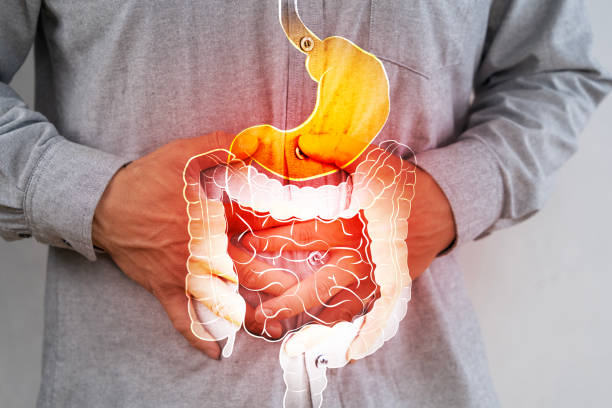
The gut (health) is easy to ignore when everything feels normal. Food goes in, digestion happens, and life moves on without a second thought.
But behind that routine sits a surprisingly active system. Your digestive tract constantly communicates with your immune system, nervous system, hormones, and trillions of microorganisms living inside your intestines, a community known as the gut microbiome.
Most people only start paying attention to gut health after years of bloating, constipation, or unexplained digestive discomfort. By then, they discover that everyday habits, fiber intake, movement, sleep, stress, and even a course of antibiotics, have been quietly shaping their gut environment the entire time. Good gut health isn’t really about “good” versus “bad” bacteria either, it comes down to microbial diversity, what you’re feeding that community, and the overall environment inside your digestive tract.
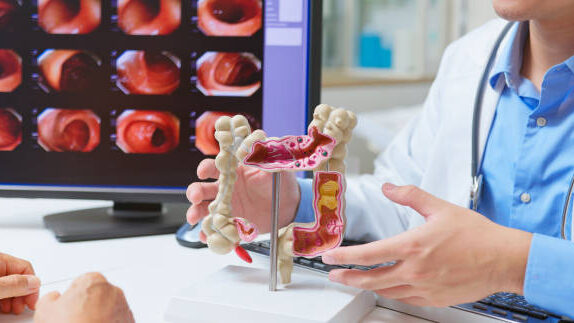
Too Late To Know
1. Your Gut Bacteria Are Part of Your Health Story
Your gut houses trillions of microorganisms, bacteria, fungi, and other microbes, collectively called the gut microbiome. This isn’t a passive population, it’s a living community actively interacting with your digestive tract every day.
These microbes break down parts of food your own digestive enzymes can’t fully process. Certain gut bacteria ferment dietary fiber and produce short-chain fatty acids, compounds that influence your intestinal lining, immune activity, and metabolism directly. The microbiome also interacts heavily with your immune system, a large share of immune activity is closely tied to the gastrointestinal tract, which is exactly why gut-immunity research has exploded in recent years.
No two people share an identical microbial community either, diet, age, medications, and lifestyle all shape which organisms thrive. That’s why “good bacteria” is a bit misleading, real gut health depends on diversity and a supportive environment, not one magic species doing all the work.
2. Fiber Feeds the Gut Microbes That Need It
Fiber does more than keep you regular. Certain types actually become food for the microorganisms living in your colon, feeding a process central to real gut health.
Human digestive enzymes can’t fully break down many forms of dietary fiber, so gut bacteria step in and ferment it instead, producing short-chain fatty acids including acetate, propionate, and butyrate. These compounds support the cells lining your colon and are being studied closely for their role in immune regulation and metabolic health.
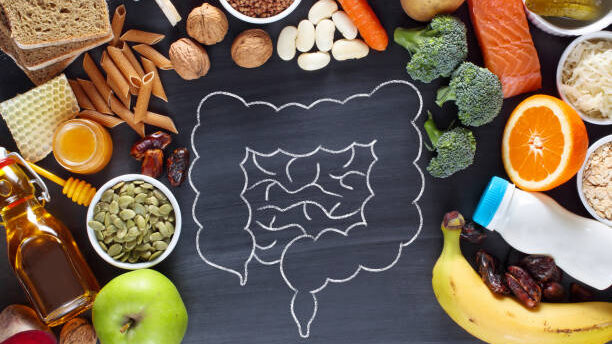
This is exactly why a diet rich in vegetables, beans, whole grains, nuts, and seeds matters so much, different plant foods deliver different fiber types, giving your gut microbes a broader menu to work with. Increasing fiber suddenly can cause gas or bloating though, a gradual increase alongside adequate fluid intake is far easier on your system. Fiber isn’t a cure-all, but it’s foundational to supporting a genuinely healthy gut.
3. Antibiotics Can Temporarily Reshape Your Microbiome
Antibiotics are genuinely essential when you need them, but they can’t perfectly distinguish between harmful bacteria and the beneficial ones supporting your gut health.
During a course of antibiotics, the number and variety of your gut microbes shifts, some bacterial groups drop sharply while others temporarily dominate. The extent of this shift depends on the specific antibiotic, dose, and your existing microbiome. These changes sometimes bring looser stools, gas, or discomfort, and antibiotic use can raise your risk of certain infections, including C. difficile, once your protective gut bacteria have been disrupted.
Your microbiome usually starts recovering after treatment ends, though recovery timelines vary considerably between individuals. None of this is a reason to avoid antibiotics when they’re medically necessary, taking them appropriately and completing the full prescribed course actually reduces unnecessary disruption. The real lesson is that antibiotics treat infections while temporarily reshaping your entire microbial community in the process.
4. Ultra-Processed Foods Can Change Your Gut Environment
Ultra-processed food isn’t just “food in a package,” what matters for gut health is the degree of processing and the refined ingredients, additives, and sugars typically involved.
A diet dominated by these foods provides considerably less dietary fiber than one built around whole, minimally processed plants, and that matters because fiber is exactly what certain gut microbes ferment into short-chain fatty acids. Lower fiber intake changes what’s actually available for your gut bacteria to work with, and research consistently links dietary patterns to shifts in microbiome composition and diversity overall.
There’s a metabolic angle too, diets high in ultra-processed food are associated with greater obesity risk, and those metabolic changes further influence the gut environment in their own right. Not every packaged food harms gut health, frozen vegetables and canned beans remain genuinely nutritious. The real issue is dietary dominance, when processed food consistently crowds out fiber-rich alternatives.
5. Constipation Isn’t Always Just a Lack of Fiber
Constipation gets blamed on one simple culprit, not enough fiber, but real gut health and bowel regularity depend on several systems working together at once.
Your large intestine absorbs water while coordinated muscle contractions push material toward the rectum, and when those contractions slow or lose coordination, stool sits longer and hardens. Fluid intake matters too, when you’re dehydrated, your colon pulls even more water from stool, and inactivity slows normal bowel motility further.
Medications are a commonly overlooked factor, certain pain relievers, iron supplements, and antacids can all cause constipation as a side effect. Medical conditions like thyroid disorders and diabetes can affect regularity too. That’s exactly why adding more bran doesn’t solve every case, and increasing fiber too fast can actually worsen bloating. Persistent constipation or a sudden lasting change in bowel habits genuinely deserves medical evaluation rather than a fiber supplement alone.
6. Your Gut and Brain Constantly Communicate
Your gut and brain stay in constant contact despite sitting far apart physically, communicating through nerves, hormones, and chemical messengers produced by gut microbes, a relationship central to understanding modern gut health.
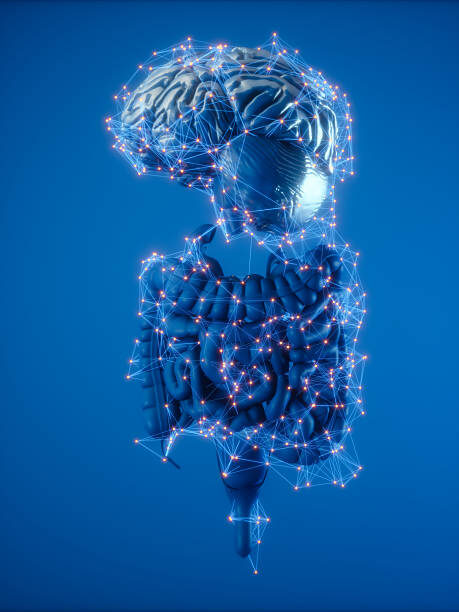
The vagus nerve carries information directly between your digestive tract and brain, while your gut sends hormonal signals influencing appetite and digestion. Gut bacteria add another layer here too, fermenting fiber into short-chain fatty acids that interact with gut cells and influence immune and metabolic signaling throughout your body.
This communication runs both directions, stress and strong emotions genuinely change gut movement and sensitivity, which is exactly why a stressful day sometimes brings nausea or an urgent bathroom trip. None of this means your gut controls mood entirely or that fixing your microbiome cures every mental health issue, the science is still developing. What’s already clear is that your digestive and nervous systems are in constant, active conversation.
7. Regular Movement Helps Your Digestive System Too
Movement does more than burn calories, regular physical activity also supports the normal muscular contractions that move food and waste through your digestive tract, directly benefiting gut health.
Active people often experience more regular bowel movements than those sitting most of the day, since exercise helps stimulate intestinal motility. Exercise also improves circulation and metabolic health broadly, better blood flow delivers oxygen and nutrients to tissue, while regular activity improves insulin sensitivity, indirectly supporting a healthier gut environment overall.
None of this needs to be intense, walking, cycling, and household chores all add useful movement to your day. Exercise isn’t a guaranteed fix for every digestive disorder though, persistent pain, bleeding, or major bowel changes still need proper medical evaluation. The basic science is simple: your digestive tract is muscular tissue, and it functions differently in a body that isn’t sitting still all day.
8. Gut Health Is Built Through Repeated Habits
Real gut health was never built by one superfood or a quick dietary reset. Your digestive system responds to the habits it encounters repeatedly, day after day, not the occasional perfect meal.
Food choices matter enormously here since your microbiome depends on what actually reaches your colon, a varied diet with vegetables, beans, and whole grains provides different fiber types your gut microbes can use in different ways. Sleep and stress matter just as much, given how closely your gut and brain communicate, ongoing stress affects gut movement while poor sleep disrupts appetite and metabolism.
Regular movement adds another piece, supporting bowel motility alongside broader metabolic health. Medications shape the picture too, antibiotics being the clearest example of temporary microbiome disruption. None of this demands a flawless lifestyle, your gut is remarkably adaptable, and one stressful day or processed meal won’t determine its long-term health. The real lesson is consistency, repeated good habits build a far stronger foundation than any short-lived fix ever could.
Conclusion
Gut health is about far more than avoiding an upset stomach. Your digestive system works constantly alongside trillions of microbes, your immune system, metabolism, and nervous system, all exchanging signals every single day without you noticing.
Fiber feeds the microbes fermenting it into beneficial compounds. Movement supports bowel motility directly. Sleep and stress shape digestion through the gut-brain connection, and antibiotics can temporarily reshape your entire microbial community, sometimes for weeks after treatment ends.
Constipation itself has far more causes than people assume, fluid intake, activity levels, medications, and underlying conditions like thyroid dysfunction can all play a genuine role beyond fiber alone. There’s no single miracle food or supplement responsible for good gut health, your digestive system responds to the overall environment your daily habits create around it.
A varied, plant-rich diet, regular movement, adequate hydration, sufficient sleep, and sensible medication use together build a genuinely stronger foundation for long-term gut health. None of this happens overnight, it’s built through thousands of small, ordinary choices repeated consistently. The habits themselves look small, but the biology behind them is anything but.