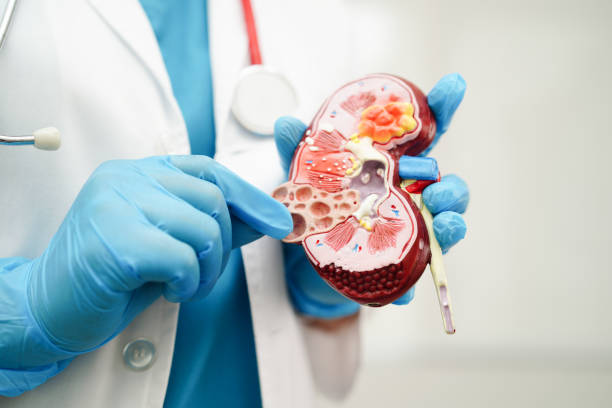
Hydration habits tend to slip in midlife. Work gets busy. The weather turns hot. You exercise, drink coffee, take medication, or just forget to drink water for hours at a stretch. All of it adds up.
There’s also a common myth worth clearing up. More water isn’t always better. What you need depends on you, especially if you have kidney disease, heart problems, or other health issues. Good hydration isn’t about hitting some perfect number of glasses a day. It’s about giving your body enough fluid and knowing when your needs go up.
A few hydration mistakes are easy to make without even noticing. Catching them early can help your kidneys and your overall fluid balance.

Hydration Warning
1. Waiting Until You’re Painfully Thirsty
Thirst is your body’s way of telling you to grab a drink. But by the time you feel really thirsty, your body may already be struggling with fluid loss. This happens fast in hot weather or during hard exercise, when you lose fluids faster than you replace them.
Your kidneys need enough water to clear out waste and keep electrolytes in balance. Once dehydration sets in, your urine gets darker as your kidneys try to hold onto every drop they can. Let that go on too long, or too often, and it puts real strain on your body.
That doesn’t mean you need to sip water nonstop all day. Your needs depend on your size, activity level, the climate, your diet, and any health conditions you have. Thirst still matters. Just don’t treat it as your only signal, especially when you’re sweating a lot or losing fluids some other way.
Keep water close by during the day. It makes staying hydrated much easier. Drink with meals, sip between tasks, and you avoid long stretches with no fluid at all.
Good hydration isn’t a number to chase. It’s a normal response to what your body needs. Avoid repeated dehydration and your kidneys get a much easier environment to work in.
2. Forgetting That Medications Affect Your Fluid Balance
Some medications change how your body handles water and electrolytes. Diuretics, often called water pills, push your kidneys to remove more sodium and water through urine. Doctors prescribe these for high blood pressure and fluid retention. But they also mean your hydration needs become more personal.
Other medications affect kidney function or electrolytes in different ways. Illness adds another layer. Vomiting, diarrhea, fever, or heavy sweating drain fluids fast. Some health conditions actually require limiting how much you drink.
This is why “just drink more water” doesn’t work for everyone. Someone on medication that shifts fluid balance may need a different approach than someone with no health conditions at all. Too little water is a problem. Too much can genuinely hurt someone in the wrong situation.
Don’t change your medication because you’re worried about hydration. Talk to a doctor instead. They can look at your medications, kidney function, blood pressure, and health history together, then tell you what actually makes sense for you.
Hydration isn’t one-size-fits-all. Understanding how medications and illness affect your fluid balance helps you avoid both dehydration and drinking too much, while giving your kidneys the support they need.
3. Assuming More Water Always Means Healthier
Drinking water matters, but more isn’t automatically better. Your kidneys carefully control how much water and how many electrolytes stay in your body. Drink a huge amount in a short time and your kidneys can struggle to clear it fast enough.
Too much water can dilute the sodium in your blood, a condition called hyponatremia. Severe cases cause headaches, confusion, nausea, even seizures. This risk goes up during long exercise or when someone drinks an excessive amount in a short period.
Fluid needs also change a lot from person to person. Someone running in the heat needs more water than someone sitting at a desk all day. People with certain kidney, heart, or liver conditions sometimes need to limit fluids, under a doctor’s care.
A better approach is drinking steadily through the day and responding to thirst, heat, and activity. Urine color can give a rough clue about hydration, though it isn’t perfect.
Healthy hydration comes down to balance, not volume. Give your body enough water without forcing more than it needs, and your kidneys can do their job much more effectively.
4. Chugging Huge Amounts of Water at Once
Making up for a day of barely drinking by downing a huge glass of water sounds logical, but it isn’t how your body works. Your body handles fluids best when you spread them out. Your kidneys can clear excess water, just not instantly and not in massive amounts all at once.
Drink a large volume quickly and you risk diluting the sodium in your blood. In extreme cases, that leads to hyponatremia, bringing on nausea, headaches, confusion, or worse.
This isn’t a reason to avoid water when you’re thirsty. The concern is drinking excessive amounts in a short window, which happens during long exercise or when someone tries to catch up on hydration all at once.
A steadier approach works better almost every time. Drink with meals, sip through the day, and replace what you sweat out as you go. This keeps your fluid balance far more stable than a last-minute chugging session.
Good hydration can’t be crammed in at the last minute. Your kidneys benefit more from steady, sensible sips than from a sudden flood of water.
5. Barely Drinking Anything All Day
Go most of the day without much fluid and your kidneys end up with a lot less water to work with. As your body holds onto whatever fluid it has, your urine turns darker. Mild dehydration usually clears up on its own. But repeated or severe dehydration puts real stress on your system.
That risk climbs fast in hot weather, during exercise, with a fever, or during a stomach bug. Someone who simply forgets to drink during a busy day might not notice until a headache, dry mouth, dizziness, or dark urine shows up.
There’s no single hydration target that fits everyone. What you need depends on your activity, the climate, your diet, your medications, and your health history. Some people with kidney or heart conditions need specific fluid limits rather than a general “drink more” rule.
Keep water nearby to make regular drinking easier to remember. Fruits, vegetables, soups, and yogurt also add fluid, so it isn’t only about the glass in your hand.
The goal was never to drink nonstop. It’s to stop your body from sliding into serious dehydration over and over. Steady, sensible hydration gives your kidneys a better setup for filtering waste and staying balanced.
6. Treating Sugary Drinks Like Real Hydration
A sweet drink still counts as fluid, but that doesn’t make it a smart everyday choice. Soda, sweetened tea, energy drinks, anything loaded with added sugar, they all add sugar and calories without giving your body much back.
A diet high in added sugar contributes to weight gain and makes healthy blood sugar harder to manage. That matters for your kidneys, because type 2 diabetes and high blood pressure are two of the biggest causes of chronic kidney disease.
Plain water is usually the simplest choice for everyday hydration. Unsweetened tea and sparkling water add some variety without loading your diet with sugar you don’t need.
One sugary drink now and then won’t wreck your kidneys. The real concern is making it a daily habit, especially when it replaces water and other choices that actually support your health.
Better hydration isn’t only about how much fluid you get. It’s also about what you’re drinking. Swap sugary drinks for water or something unsweetened and the benefits reach well beyond just staying hydrated.
7. Loading Up on Salty Food While Drinking More Water
You can drink plenty of water and still have a diet that works against your kidneys. Sometimes the problem isn’t your water bottle, it’s your plate. Processed meats, packaged snacks, canned goods, fast food, and prepared meals often pack in far more sodium than people expect.
Your kidneys help regulate sodium and fluid together. Keep your sodium intake high and your body holds onto more water, which can raise your blood pressure. Ongoing high blood pressure damages the blood vessels inside your kidneys and raises your risk of kidney disease.
Drinking extra water doesn’t cancel out a diet high in sodium. The smarter move is cutting back on unnecessary sodium while keeping fluid intake reasonable, not trying to out-drink a salty diet.
Cooking more at home, choosing fresh ingredients, reading nutrition labels, and cutting back on processed foods all make sodium easier to control. Herbs, spices, lemon, and garlic add flavor without relying on the salt shaker.
It comes back to balance. Healthy hydration works best alongside a diet that already supports normal blood pressure and kidney function, not as a way to make up for eating too much sodium.
Conclusion
Hydration and kidney health are closely linked, but healthy hydration was never about drinking as much water as possible. Your kidneys need enough fluid to manage waste, electrolytes, and overall balance, and too much fluid causes its own problems. Waiting too long to drink, barely drinking anything most days, leaning on sugary drinks, ignoring how much you sweat, and eating too much sodium all work against you. Medications and existing health conditions make your personal fluid needs even more specific than any general guideline can capture.
The better approach is simple balance. Drink regularly, pay attention to thirst and how much you’re losing through sweat or illness, reach for water or something unsweetened, keep sodium in check, and follow your doctor’s guidance. There’s no single hydration routine that works for everyone, and that’s fine. What matters is giving your body a reasonable amount of fluid without swinging too far in either direction. Small daily choices like these are what keep your kidneys supported for years to come.