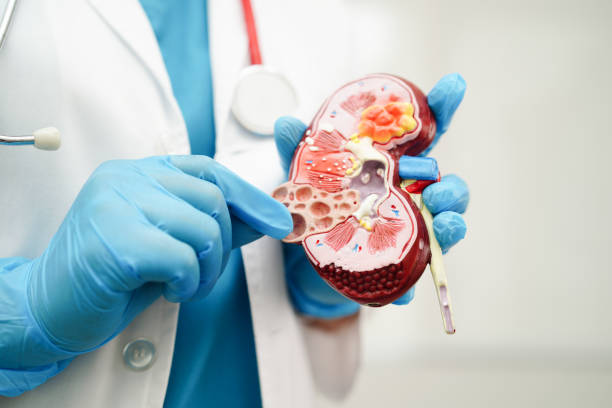
Your kidneys rarely get the credit they deserve. These two small organs work around the clock, filtering blood, removing waste, balancing fluids, and helping regulate blood pressure without ever taking a break.
As your body ages, kidney health naturally shifts. Blood flow through the kidneys can decrease, the number of functioning filtering units declines, and the ability to concentrate urine becomes less efficient over time.
Age alone doesn’t make kidney disease inevitable though. An aging kidney simply has less reserve when facing high blood pressure, elevated blood sugar, dehydration, or certain medications all at once. That distinction genuinely matters, healthy kidneys keep working for decades, they just become less able to compensate when several stressors stack up together. Kidney health is also closely tied to the rest of your body, your heart, blood vessels, muscles, and metabolism all influence how much work these organs actually have to do.

Kidney Health : Changes Your Filters
1. Kidney Filtration Naturally Slows With Age (Nephrons)
Each kidney contains roughly a million tiny filtering units called nephrons at birth, structures that continuously filter blood, removing waste while keeping useful substances circulating.
As you age, some nephrons get lost or become less efficient, and blood flow through the kidneys can decline too, reducing how much blood actually reaches the filtering system. Inside each nephron sits a microscopic structure called the glomerulus, where pressure pushes water and small dissolved substances into the nephron, and the kidney (health) then reclaims what your body still needs while letting waste leave through urine.
With fewer functioning nephrons and reduced blood flow, your overall filtration rate gradually declines, which is exactly why estimated kidney function often drops with age even in people without kidney disease. A lower filtration rate doesn’t automatically mean your kidneys are failing though, the real question is whether the change is expected for your age or being accelerated by high blood pressure, diabetes, or other kidney stressors. Your kidneys carry considerable functional reserve, letting them keep performing essential work despite these gradual changes.
2. Kidneys Become Less Efficient at Handling Fluid
Kidneys do far more than remove waste, they constantly decide how much water and sodium stays in your body versus leaving through urine.
As you age, kidneys become less able to conserve water or produce highly concentrated urine, partly from changes within the nephrons and a reduced response to antidiuretic hormone, which normally signals your kidneys to retain water. Sodium regulation becomes less flexible too, and while your kidneys normally adjust sodium excretion based on need, that response often slows or weakens with age.
This makes dehydration more concerning during illness, hot weather, or long stretches without enough fluid, and older kidneys also struggle more to adapt quickly to sudden shifts in fluid intake. That doesn’t mean drinking as much water as possible is the answer either, too much fluid can genuinely harm people with heart or kidney conditions. The real issue is flexibility, healthy kidneys constantly adjust water and sodium balance, but that regulatory reserve gradually becomes less responsive, which is why hydration and illness carry more weight for kidney health later in life.
3. Blood Pressure Places More Strain on Aging Kidneys
kidneys and blood vessels share a genuinely close relationship. Blood pressure provides the force moving blood through your kidney’s microscopic filtering network, so persistently high pressure gradually stresses those delicate structures over time.
Inside each nephron sits a glomerulus, a cluster of tiny blood vessels filtering your blood, with a barrier that lets water and small molecules pass while retaining blood cells and most proteins. High blood pressure increases mechanical stress on these small vessels, and over years, that stress damages vessel walls and alters the filtering barrier itself, sometimes leaving glomeruli scarred and less able to filter effectively.
This relationship runs both directions too, damaged kidneys struggle more with sodium and fluid regulation, while hormonal changes from kidney damage can actually push blood pressure higher. Age intensifies this connection since blood vessels naturally lose elasticity over time, leaving an aging kidney with less reserve against prolonged vascular stress. One occasional high reading doesn’t cause kidney damage, the real concern is persistent, poorly controlled blood pressure sustained over many years.
4. Medications Matter More as Kidney Function Changes
kidneys help clear many medications and their breakdown products from your bloodstream, and when filtration gradually declines with age, some drugs linger longer or reach higher concentrations than intended.
This matters because medication doses are often calculated around how quickly your body clears a drug, a dose that’s perfectly safe with strong kidney function may need adjustment or closer monitoring once filtration drops. Not every medicine works this way though, some rely mainly on your liver for processing while others depend heavily on kidney health for elimination, which is why doctors specifically consider kidney function when prescribing certain drugs.
Older adults often take several medications simultaneously too, making a full medication review, including over-the-counter pain relievers and supplements, genuinely important. Frequent use of certain NSAIDs specifically can reduce blood flow to the kidneys or increase kidney stress in vulnerable people. None of this means avoiding necessary medication, the goal is appropriate dosing and monitoring that respects your kidneys’ current filtering capacity.
5. Blood Vessels Become Less Flexible Over the Years
Blood vessels are living tissue, not rigid tubing, their walls constantly adjust to shifting blood pressure and flow, delivering the right amount of blood to different organs as needed.
With age, arteries gradually stiffen as elastin, collagen, and the cells lining blood vessels change structurally, reducing their ability to expand and recoil with each heartbeat. Your kidneys depend especially heavily on healthy blood vessels since they receive a large share of your body’s circulating blood, and their tiny filtering structures rely on a carefully regulated supply to maintain normal filtration.
Arterial stiffness alters the pressure and flow reaching those microscopic kidney vessels, and over many years that added mechanical stress contributes to changes in the glomeruli and surrounding structures. High blood pressure intensifies this further, stiffer arteries raise pulse pressure and stress on small vessels, while kidney damage complicates blood pressure regulation right back. Smoking, diabetes, and high cholesterol still have a much stronger individual effect on long-term vascular health than aging alone.
6. Muscle Loss Can Skew Kidney-Related Blood Tests (Creatinine)
Muscle and kidney function connect in a way that genuinely complicates blood test interpretation as you age. Creatinine, a waste product produced mainly through normal muscle activity, gets removed from your bloodstream by healthy kidneys and excreted in urine, making it a useful kidney health marker.
But creatinine levels also depend heavily on how much muscle you actually have, someone with more muscle naturally produces more creatinine, while someone who’s lost substantial muscle produces less. This matters increasingly during midlife and beyond, age-related muscle loss can make blood creatinine appear relatively low even when kidney filtration isn’t as strong as it seems.
That’s exactly why doctors don’t interpret creatinine in isolation, they use equations estimating glomerular filtration rate while factoring in age and your broader clinical picture, and in some cases a marker called cystatin C provides additional insight since it’s less dependent on muscle mass. As muscle changes with age, understanding true kidney health requires looking well beyond a single lab number.
7. Blood Sugar Problems Gradually Stress the Kidney’s Filters
Your kidneys are constantly exposed to whatever’s flowing through your bloodstream, so long-term blood sugar problems eventually affect their delicate filtering structures directly.
When blood glucose stays elevated for years, it damages the small blood vessels within the glomeruli, the microscopic filters that normally let water and waste pass while keeping blood cells and proteins inside your bloodstream. Early on, kidneys may actually filter more blood than usual, a state called hyperfiltration, which places additional pressure on the glomeruli, and over time persistent metabolic stress damages the filtration barrier, allowing albumin, a protein that should stay in the blood, to leak through.
Continued damage causes internal scarring and gradually reduces filtration capacity, which is exactly why diabetes remains one of the leading causes of chronic kidney disease. This process runs slowly too, you can feel completely normal while microscopic changes quietly develop underneath. Keeping blood sugar in a healthier range, combined with blood pressure control, meaningfully reduces the strain placed on kidney health over time.
8. Dehydration Becomes Harder for Aging Kidneys to Handle
Your kidneys constantly adjust how much water your body keeps versus sends into urine, and that balancing act becomes noticeably less flexible with age.
When you lose water through sweating, illness, or simply not drinking enough, kidneys normally respond by concentrating urine and conserving fluid, with antidiuretic hormone signaling them to hold onto more water. Aging reduces the kidneys’ ability to produce highly concentrated urine though, and your thirst response often becomes less reliable too, meaning you may not recognize fluid needs as quickly as you once did.
That combination makes dehydration genuinely more concerning, blood volume can fall, blood pressure may drop, and kidneys receive less blood flow as a result, in severe cases contributing to acute kidney injury. This doesn’t mean forcing down a fixed water amount either, fluid needs vary with body size, activity, and medical conditions, and some people with heart or kidney disorders actually need fluid limits. The real point is reduced reserve, an aging kidney still regulates fluid effectively, it just has less ability to compensate when your body suddenly loses a lot of water at once.that mistake affect kidney health by everyday habits.
Conclusion
Your kidneys change gradually as your body ages, but aging alone never makes kidney disease inevitable. Filtration capacity naturally declines as functioning nephrons and blood flow decrease, and kidneys become less flexible managing water and sodium, especially during dehydration or illness.
Blood vessels matter enormously here too, years of high blood pressure place mechanical stress on the kidney’s tiny filtering structures, while diabetes damages that same delicate network through prolonged exposure to elevated blood sugar over time.
Muscle loss adds another layer of complexity since creatinine, one of the primary markers used to assess kidney health, is directly influenced by muscle mass, meaning lab results sometimes need careful interpretation rather than a quick glance at one number.
Kidney health stays closely tied to blood pressure, blood sugar, circulation, hydration, and muscle mass working together, and protecting those systems gives your kidney health a much better chance to keep doing their quiet work for None of these changes mean an aging kidney health is destined to fail.