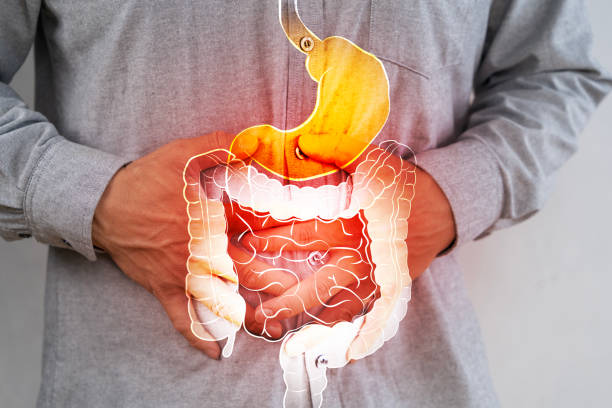
Your gut is home to trillions of microorganisms, and what you eat directly shapes that entire community living inside you. Prebiotic foods are especially interesting here since they provide non-digestible carbohydrates that gut microbes actually ferment, producing short-chain fatty acids that support your intestinal environment directly.
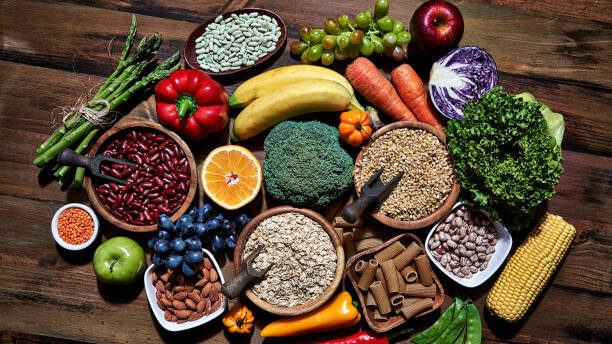
Prebiotic aren’t the same as probiotics, probiotics supply live microorganisms, while prebiotics supply food that your existing microbes can actually use. Garlic, onions, asparagus, oats, beans, bananas, and chicory root all provide different fermentable fibers and resistant starch worth knowing about.
Your response can vary though, suddenly eating a large amount of fiber may cause bloating or discomfort. Gradually increasing fiber and drinking enough fluid makes the transition considerably easier for most people. The goal was never feeding one “good” bacterium, a varied diet supports a more diverse, active gut community overall. Here are seven prebiotic foods worth adding to your everyday plate.
Thriving Gut Microbiome
1. Garlic Gives Beneficial Gut Bacteria a Fermentable Fiber Source
Garlic does more than add flavor, it contains inulin-type fructans, carbohydrates that resist digestion in your upper digestive tract Prebiotic and reach your colon relatively intact.
Once there, certain gut microbes ferment these compounds directly, producing short-chain fatty acids including acetate and butyrate that help support your colon’s environment. Garlic doesn’t add beneficial bacteria to your gut though, it simply provides substrate that existing microbes can actually use for fuel.
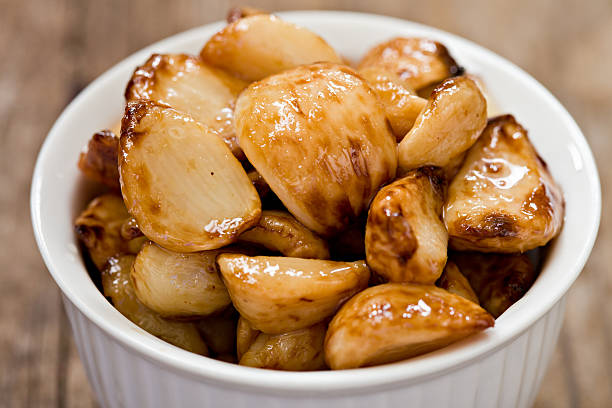
A small serving contributes real prebiotic fiber, and its value grows considerably when it’s part of a broader diet containing many different plant foods together. Cooking doesn’t make garlic nutritionally empty, though preparation influences some compounds. Larger amounts may cause gas in people sensitive to fructans, so adding garlic gradually to vegetables and soups works best for most.
2. Asparagus Brings Inulin and Plant Fiber to the Table
Asparagus naturally contains inulin-type fructans alongside other dietary fiber, carbohydrates passing through your upper digestive tract without being fully broken down along the way.
Once these reach your colon, certain gut microorganisms ferment them, producing short-chain fatty acids and other metabolites that help shape where gut bacteria actually live and thrive.
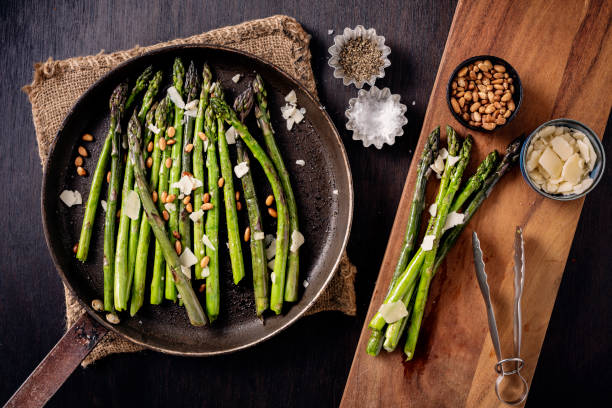
This makes asparagus genuinely useful, though it doesn’t introduce new bacteria, it simply provides fermentable material for resident microbes.
Asparagus also delivers folate and vitamin K beyond its prebiotic effect, making it valuable well past gut health alone. Cooking changes texture slightly, but cooked asparagus still contributes real fiber. Some people notice extra gas after increasing intake, that’s simply fermentation and individual sensitivity, not a sign the food is harmful in any way.
3. Oats Supply Beta-Glucan and Other Fermentable Fibers
Oats are best known for soluble fiber, particularly beta-glucan, though they contain other carbohydrates that reach your colon and interact directly with gut microbes there.
Beta-glucan increases digestive viscosity and slows food movement through your tract, supporting fullness while helping with blood sugar and cholesterol management simultaneously. Some oat fibers also become available for fermentation, as microbes break them down, they produce short-chain fatty acids influencing your intestinal environment directly.
Oats don’t act like a probiotic, they don’t add live bacteria, they simply supply fiber existing microorganisms can use. Steel-cut and rolled oats both work well, while heavily sweetened instant oatmeal carries considerably more added sugar. Pairing plain oats with fruit, nuts, or yogurt creates a meal delivering several different fiber types at once.
4. Chicory Root Packs a Particularly Concentrated Prebiotic Punch
Chicory root is one of the richest natural sources of inulin, a fermentable fiber passing through your upper digestive tract largely undigested until it reaches the colon.
Once there, gut microbes ferment inulin and use it as energy, increasing short-chain fatty acid production that helps support your intestinal environment and broader microbiome activity. Chicory root’s inulin content runs notably concentrated though, making it common in fiber products marketed specifically for digestive health.
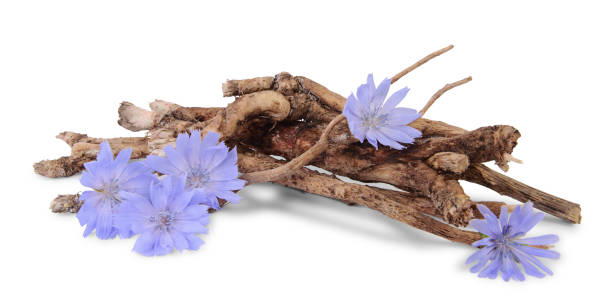
More Prebiotic isn’t always better here, a sudden inulin increase causes gas, bloating, or cramping, particularly in people sensitive to fermentable carbohydrates. It also hides in coffee substitutes and fiber-enriched snacks, checking ingredient lists reveals it easily. Chicory root doesn’t add bacteria itself, it simply provides inulin, so gradually increasing intake beats consuming large amounts suddenly.
5. Onions Feed the Microbes Living in Your Colon
Onions contain fructooligosaccharides and other fructan fibers resisting digestion in your upper digestive tract, reaching your colon instead of being fully broken down along the way.
There, certain gut microbes ferment them directly, producing short-chain fatty acids and other compounds that influence your colon’s environment meaningfully over time. Onions provide more than flavor this way, their fermentable fibers contribute to the broader carbohydrate mix your gut bacteria encounter daily.
Variety matters considerably here, different microbes prefer different fiber types, so relying on just one prebiotic food is far less useful than eating a genuine range of plant foods regularly. Cooked onions still contribute fiber, though some people notice gas since fructans ferment readily. Onions don’t place new bacteria in your gut, they simply feed what’s already living there.
6. Bananas Can Provide Resistant Starch for Gut Bacteria
Bananas offer your microbiome a useful carbohydrate called resistant starch, particularly when the banana is still green or only partly ripe rather than fully soft,Not like an prebiotic once.
Unlike ordinary starch, resistant starch isn’t fully digested in your small intestine, it travels into your colon where certain bacteria ferment it directly, producing short-chain fatty acids that support normal intestinal function. Ripeness genuinely matters, as bananas mature, resistant starch converts into simpler sugars, meaning a green banana provides considerably more than a fully ripe one.
Bananas also deliver potassium and vitamin B6 beyond their gut effects entirely. A sudden increase in fermentable carbohydrates causes gas or bloating for some people, gradual increases work better for sensitive digestion. Adding bananas alongside oats, beans, and vegetables gives your microbiome several fermentable carbohydrate types at once.
7. Beans Give Gut Microbes a Rich Supply of Fermentable Fiber
Beans are one of the most useful everyday foods for feeding your gut microbiome, containing soluble fiber, resistant starch, and other fermentable carbohydrates reaching your colon largely intact.
Once there, gut microbes break these down through fermentation, producing short-chain fatty acids including acetate and butyrate that shape your large intestine’s environment considerably. Beans also provide real protein and minerals beyond their prebiotic role, black beans, chickpeas, and lentils each contribute different fiber and plant compound combinations.
Fiber variety matters enormously here since different microbes use different substrates for fuel. Beans cause gas or bloating when fiber intake suddenly increases, that’s simply gut bacteria fermenting carbohydrates your small intestine doesn’t fully digest. Starting with smaller portions and rinsing canned beans thoroughly helps most people tolerate them considerably better over time.
Conclusion
A healthy gut microbiome was never built by one special food, it depends entirely on the variety of fibers and plant compounds arriving in your digestive tract consistently over time. Garlic, onions, asparagus, chicory root, bananas, oats, and beans each provide different fermentable carbohydrates your gut microbes actually use as fuel, producing short-chain fatty acids during fermentation that genuinely support your intestinal environment.
Not every prebiotic food will feel comfortable immediately though, some people experience gas after suddenly increasing fermentable fiber, especially from fructans or resistant starch specifically. The smarter approach is gradual variety, adding different plant foods throughout your week gives your microbiome a genuinely broader range of material to work with. A spoonful of garlic, oats at breakfast, or a less-ripe banana can all become part of a gut-friendly pattern, since your microbiome thrives on variety, and the best place to build that variety remains your everyday plate.