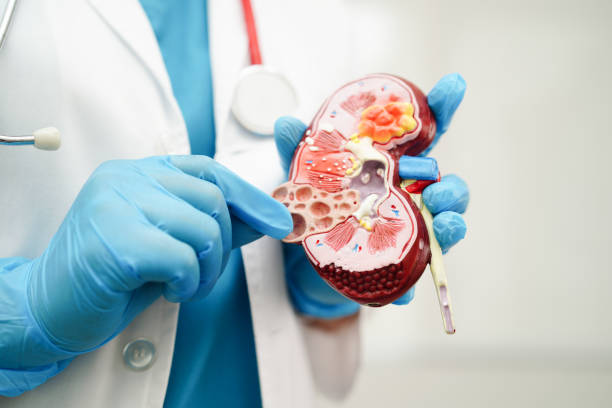
Your kidneys rarely announce themselves. They quietly filter blood, remove waste, balance fluids and minerals, and help regulate blood pressure every single minute without you noticing any of it.
The tricky part is that kidney damage develops without obvious symptoms. You can feel completely fine while small changes are already affecting your kidneys’ delicate filtering structures underneath the surface.
That’s exactly why prevention matters so much here. Blood pressure, blood sugar, hydration, medications, and cardiovascular health all shape the workload placed on your kidneys daily. Good kidney health doesn’t require extreme rules either, small consistent choices reduce avoidable stress and protect filtering capacity over the years. For anyone with diabetes, high blood pressure, or cardiovascular disease, regular kidney testing adds another genuine layer of protection. Here are seven practical steps that actually preserve kidney function long term.

Kidney Health Alert To Prevent
1. Keep Blood Pressure in a Healthy Range
High blood pressure is one of the biggest long-term threatsto kidney health, and the reason comes down to your kidneys’ tiny filtering blood vessels directly.
Inside each nephron sits a glomerulus, a delicate network of capillaries filtering blood, and while blood pressure provides the force filtration needs, consistently excessive pressure places real mechanical stress on these microscopic vessels over time. Years of that stress damage glomeruli walls and weaken the filtration barrier, allowing albumin to leak into urine as filtering units gradually become less effective.
The relationship runs both directions too, healthy kidneys help regulate blood pressure by controlling sodium and water, so kidney damage makes blood pressure genuinely harder to control in return. Regular activity, balanced eating, and taking prescribed medication correctly all support better control, protecting these vessels year after year preserves your kidneys’ actual filtering ability.
2. Stay Adequately Hydrated Without Overdoing It
Water is essential for kidney health, your kidneys use it to remove waste and maintain the right balance of fluids and dissolved minerals throughout your body constantly.
When you’re dehydrated, kidneys respond by conserving water, antidiuretic hormone signals them to produce more concentrated urine and reduce water loss overall. Significant dehydration reduces blood volume and flow to the kidneys though, and severe or prolonged cases can contribute to acute kidney injury, particularly in vulnerable people.
More water isn’t automatically better either, drinking excessive amounts quickly can dilute blood sodium and create hyponatremia, a genuinely dangerous condition. Fluid needs vary by body size, activity, and medical conditions, there’s no universal daily target. Drinking regularly and paying attention to thirst and urine output supports the balance your kidneys actually need without unnecessary overhydration.
3. Maintain a Kidney-Friendly Eating Pattern
Food influences kidney health through several distinct pathways, though a kidney-friendly diet isn’t about eliminating every food containing potassium or protein for healthy people.
Sodium deserves particular attention here, too much causes your body to retain water and raises blood pressure, and since high blood pressure damages the kidney’s delicate filtering vessels over time, keeping sodium reasonable reduces one genuine source of long-term stress. Protein is more nuanced, it’s essential for muscles and tissue repair, and healthy kidneys handle the resulting waste products just fine, unnecessary restriction isn’t a universal strategy.
Vegetables, whole grains, and minimally processed food provide fiber while supporting metabolic and cardiovascular health broadly. Highly processed food makes excessive sodium and calories easier to consume, indirectly affecting kidneys by worsening blood pressure and blood sugar control over time.
4. Keep Blood Sugar Under Control
Blood sugar and kidney health connect closely, since your kidneys contain millions of tiny blood vessels exposed constantly to circulating glucose, meaning years of poor control gradually damages their filtering structures.
When glucose stays elevated, glomeruli initially filter blood at an unusually high rate, called hyperfiltration, which sounds beneficial but actually increases pressure within these microscopic filtering units over time. High glucose eventually damages the cells forming the kidney’s filtration barrier, letting albumin appear in urine, an early marker of real kidney damage.
Continued injury causes scarring and gradually reduces filtering capacity, which is exactly why diabetes remains a major cause of chronic kidney disease. Balanced eating, regular activity, and monitoring glucose all reduce long-term exposure to high blood sugar, protecting your kidney health directly rather than waiting for damage to accumulate.
5. Use Pain Medicines Carefully
Pain medicine provides valuable relief, but certain types place real stress on kidney health, particularly with frequent use or existing health conditions already present.
NSAIDs, including ibuprofen and naproxen, reduce inflammation by blocking enzymes that produce prostaglandins, and those same prostaglandins help maintain blood flow to your kidneys, especially when you’re dehydrated or blood volume is already low. Blocking them reduces kidney blood flow and, in vulnerable people, contributes to acute kidney injury directly.
Risk climbs higher with chronic kidney disease, heart failure, or dehydration, and combining NSAIDs with certain blood-pressure medication or diuretics compounds that kidney stress further. Occasional use is reasonable for most people, but frequent or prolonged use genuinely deserves a conversation with your doctor about safer alternatives.
6. Stay Physically Active and Protect a Healthy Weight
Physical activity supports kidney health partly by protecting the systems your kidneys depend on entirely, your heart, blood vessels, and metabolism all influence the blood supply reaching them daily.
Regular movement improves insulin sensitivity, letting muscles use glucose more effectively, and better blood sugar control reduces the long-term metabolic stress tied to diabetes, one of the leading causes of chronic kidney disease. Exercise also supports healthier blood pressure and cardiovascular function, and since kidneys contain an extensive network of tiny vessels, better circulation reduces long-term vascular stress on those filtering structures directly.
Excess abdominal fat is tied to insulin resistance and high blood pressure too, compounding kidney stress further. Walking, cycling, and resistance training all contribute meaningfully, and gradual weight management beats extreme dieting for genuinely protecting kidney health long term.
7. Check Kidney Function When Risk Factors Are Present
Kidney disease develops quietly, especially early on, you can feel completely healthy while small changes are already happening inside your kidneys without any symptoms at all.
That’s why testing matters considerably when risk factors exist, diabetes, high blood pressure, and family history all raise the likelihood of reduced kidney function over time. One common blood test estimates glomerular filtration rate (eGFR), showing how effectively your kidneys filter blood, while urine testing checks the albumin-to-creatinine ratio (UACR), looking for albumin leaking into urine that healthy kidneys normally retain.
These two measurements examine different aspects of kidney health together, eGFR focuses on filtration while urine albumin reveals damage to the filtering barrier itself. One abnormal result doesn’t confirm chronic kidney disease alone, but early detection through regular testing can genuinely slow kidney problems by catching changes while there’s still an opportunity to protect remaining function.
Conclusion
Long-term kidney health comes from protecting the systems your kidneys depend on every single day, not from one dramatic decision made once and forgotten.
Healthy blood pressure reduces mechanical stress on delicate filtering vessels, and good blood sugar control protects those same structures from years of metabolic damage accumulating quietly. Appropriate hydration supports fluid balance without unnecessary strain, while careful medication use, especially around NSAIDs, reduces avoidable kidney stress considerably.
Regular activity and a healthy weight support the blood pressure and circulation your kidneys rely on, and testing through eGFR and urine albumin reveals changes before obvious symptoms ever appear. None of these steps guarantee perfect kidney health forever, but together they create a genuinely better environment for your kidneys to keep doing their quiet, essential work for decades to come.